Semana Santa
One Paso. Many Guiris

Before we start our journey, I want to remind, why you are here.
This report will give you the ability to turn from a Guiri (tourist) to a Capillita (a person involved in the city life).
So let's begin our trip...

Let's start with the historic background of the Bible.
Domingo de Ramos: The entry of Jesus into Jerusalem
Lunes Santo: Jesus speaks to his disciples.
Martes Santo: Jesus announces his message.
Miércoles Santo: Judas betrays Jesus to the Romans.
Jueves Santo: Jesus and his disciples at the Last Supper.
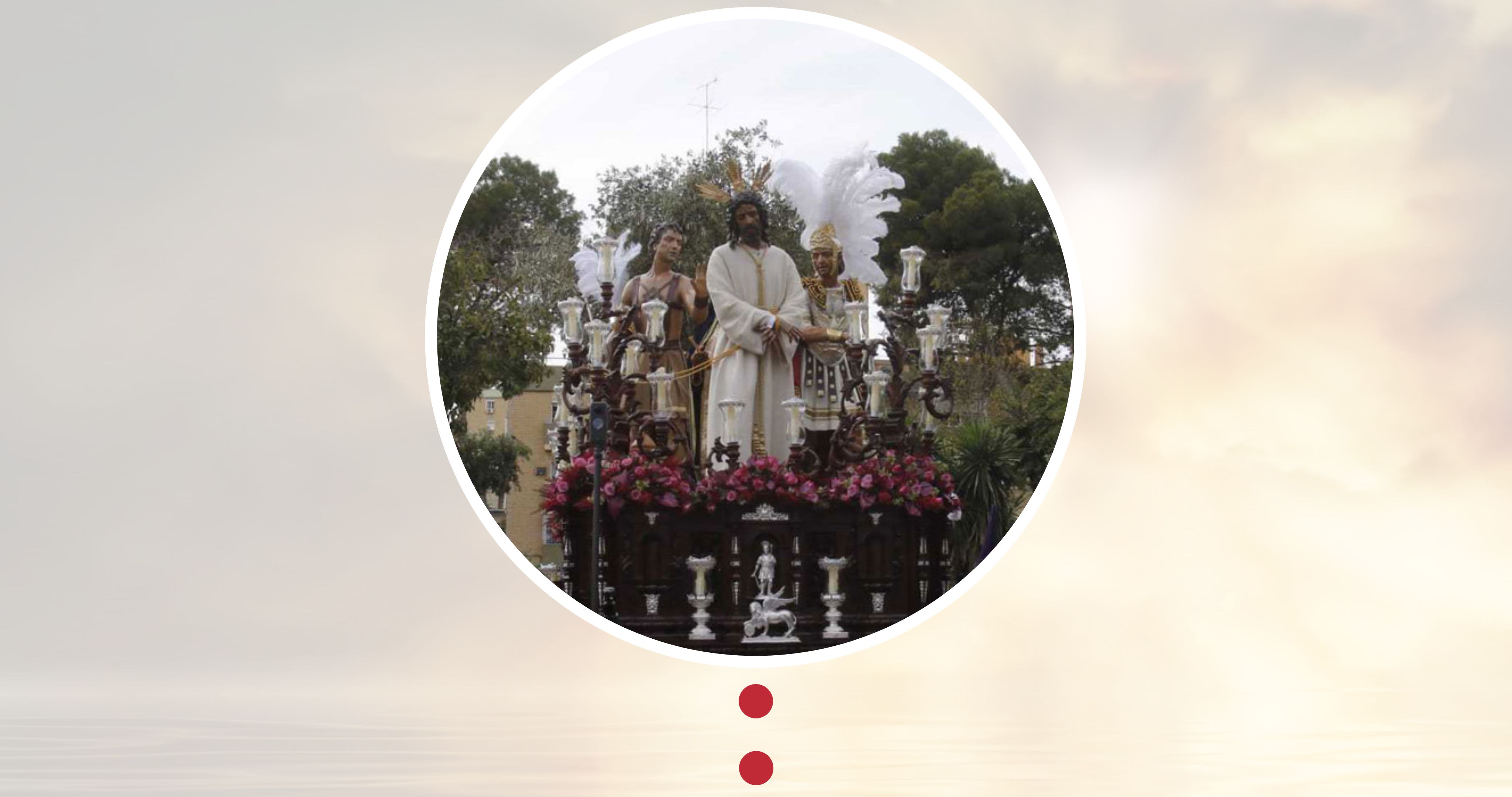
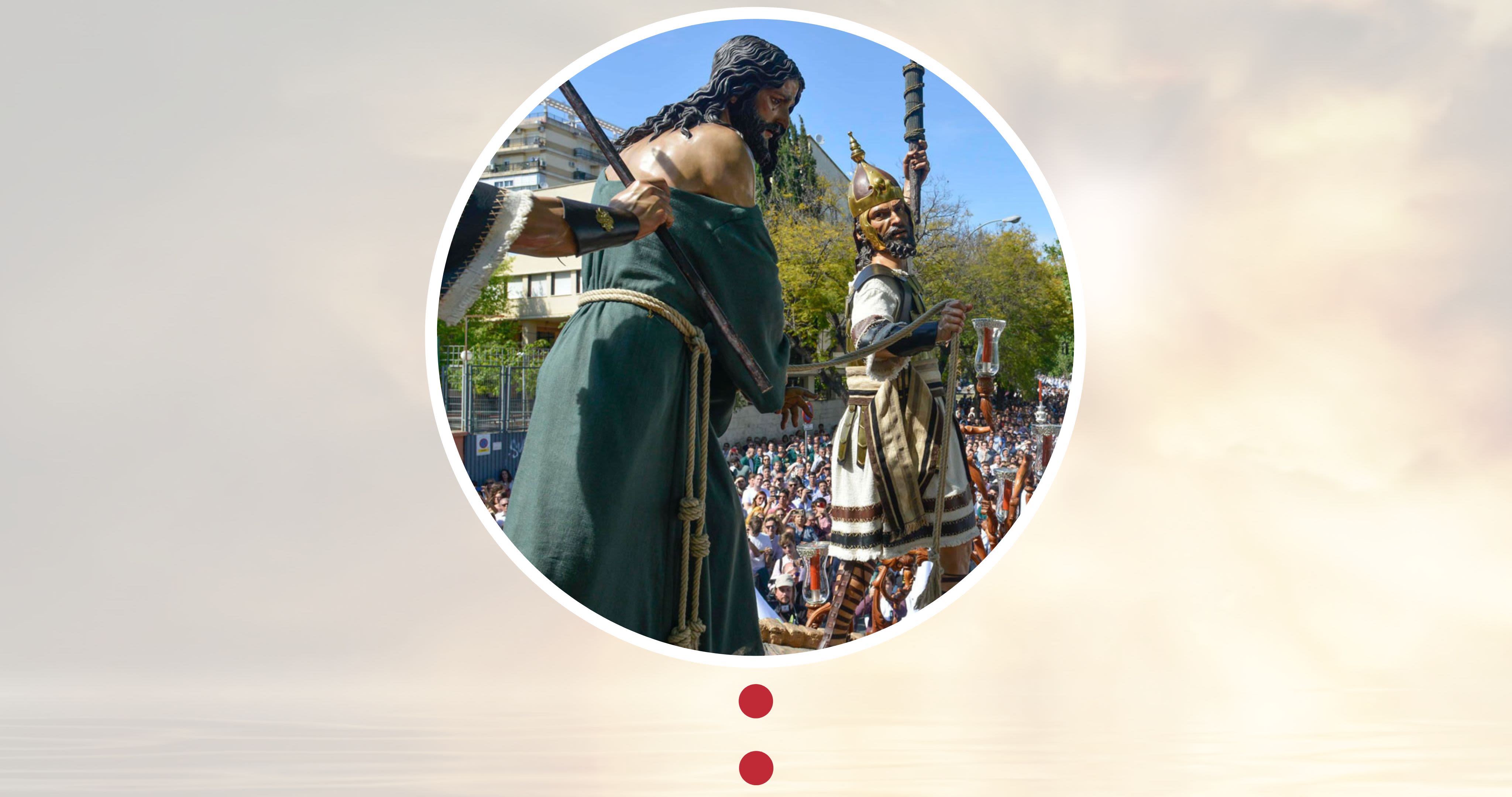
Viernes Santo: Jesus is arrested by the Romans.
Sábado Santo: Jesus is crucified and buried in a tomb.
Sábado Santo: Maria griefs for her son.
Domingo de Resurrección: Jesus resurrects.
People take Semana Santa very seriously. So it is not a surprise that the Cartel is desired by many.
Let's see the story behind the Cartel...

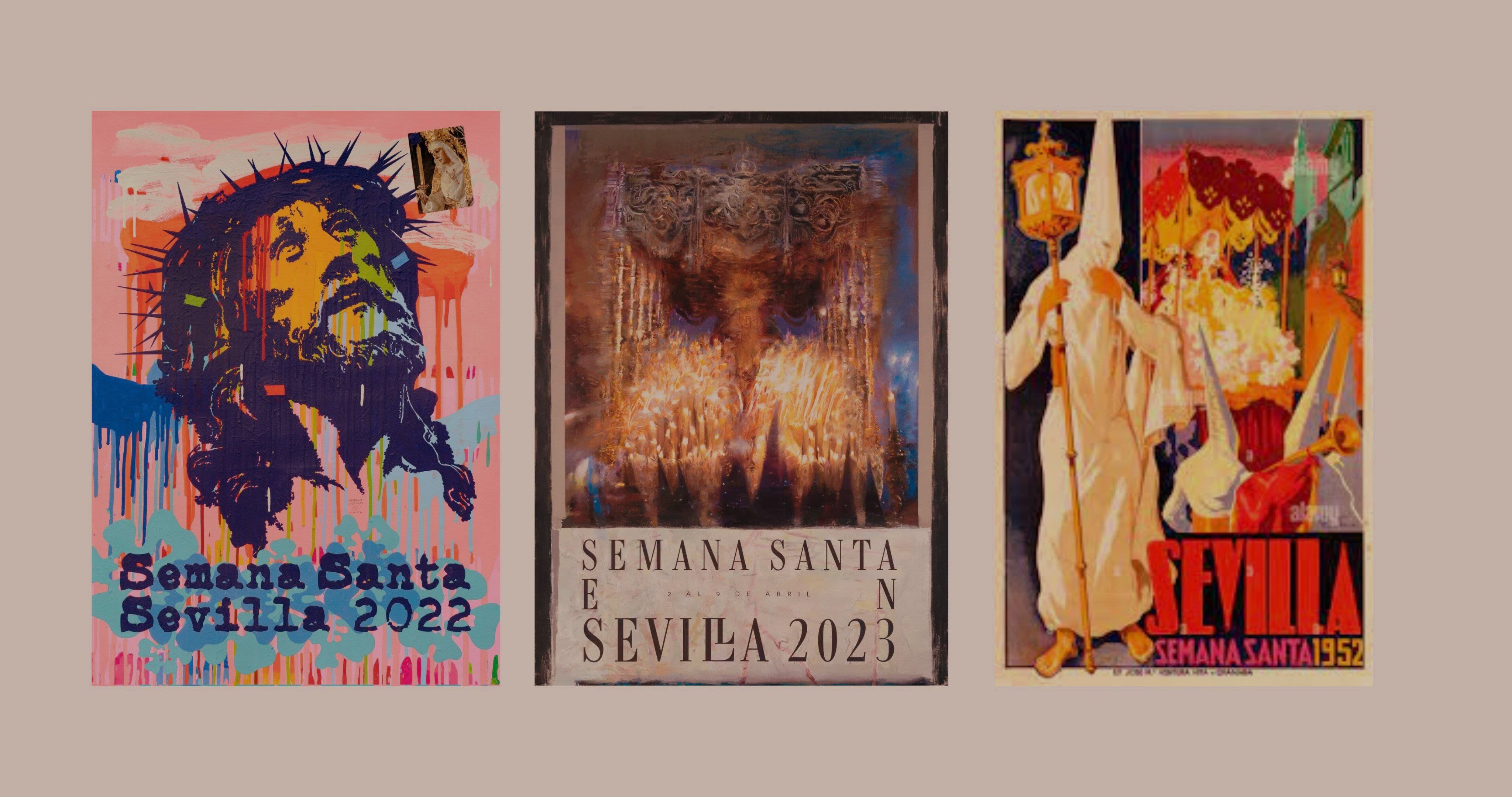
The Cartel for Semana Santa is designed by a different artist every year.

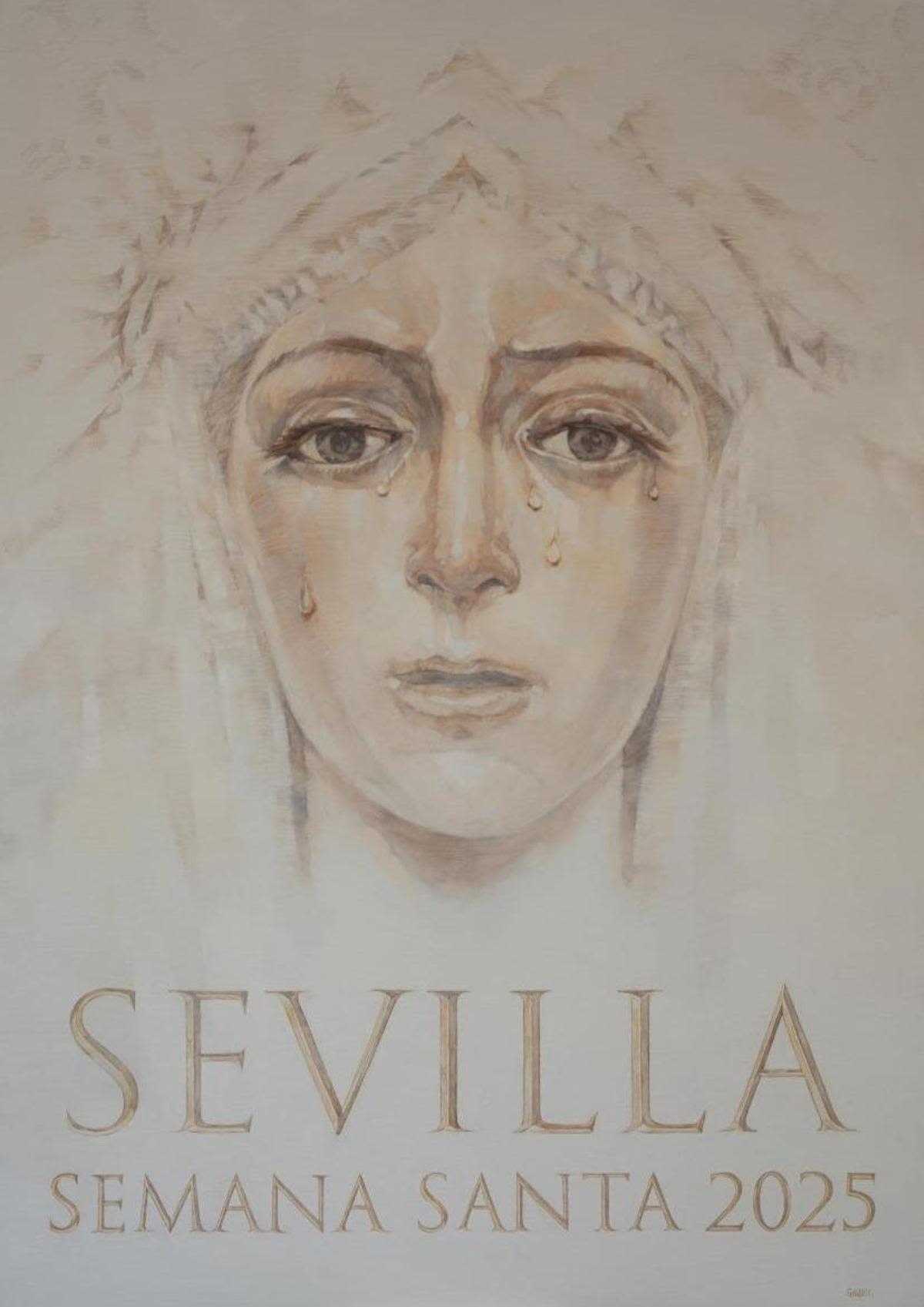
But what is Semana Santa in Seville really about?
Let's experience it...


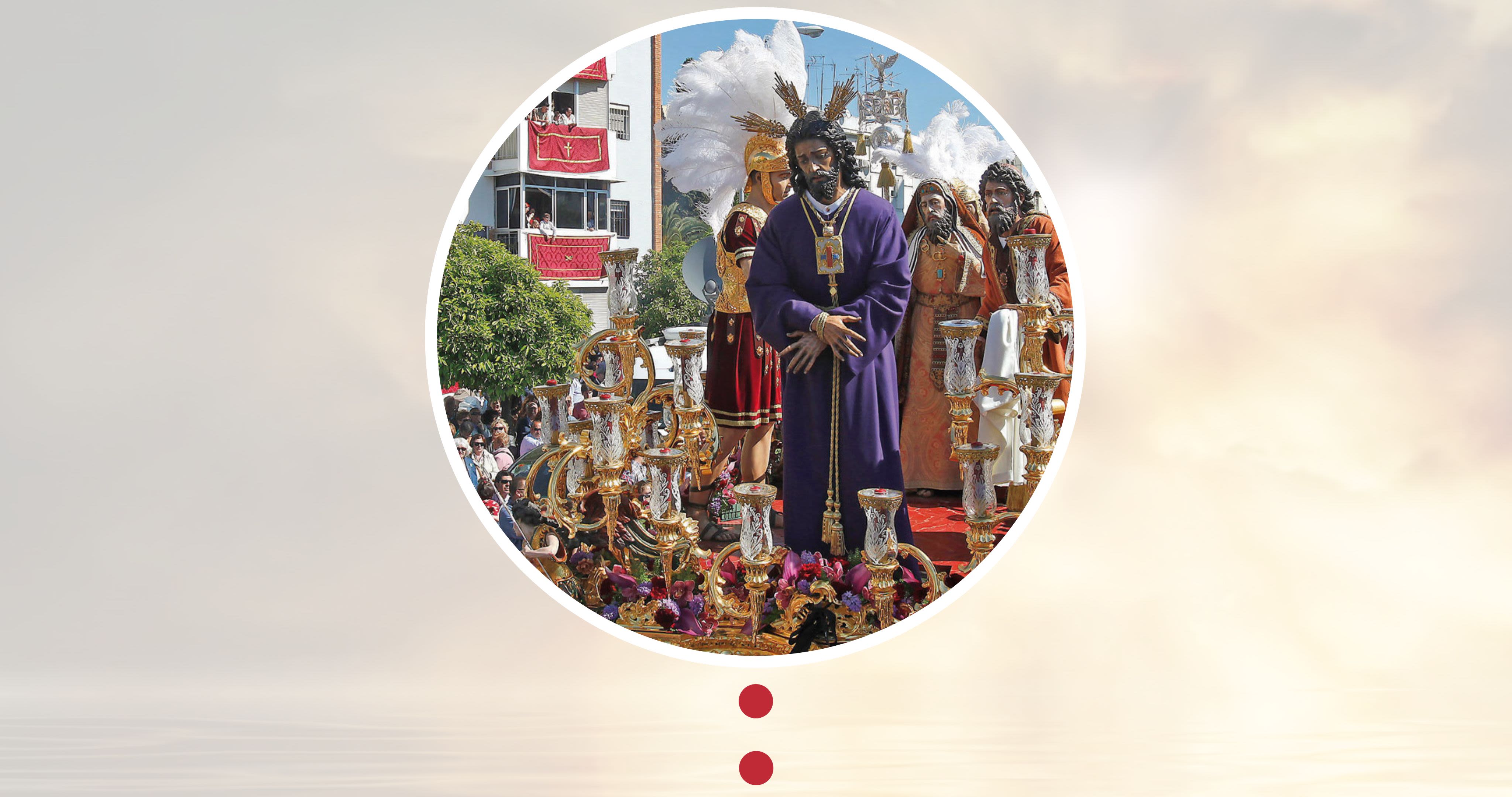
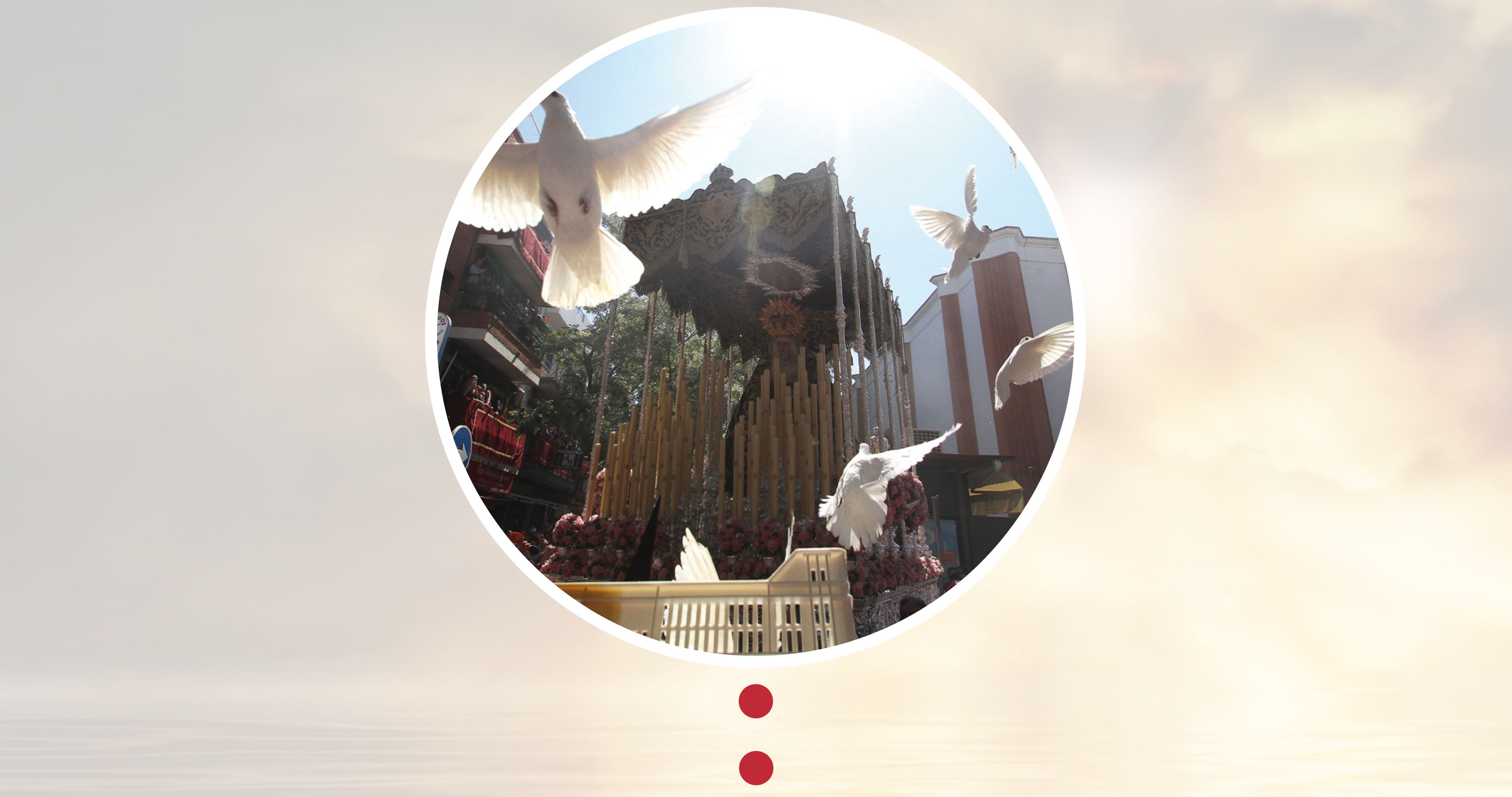
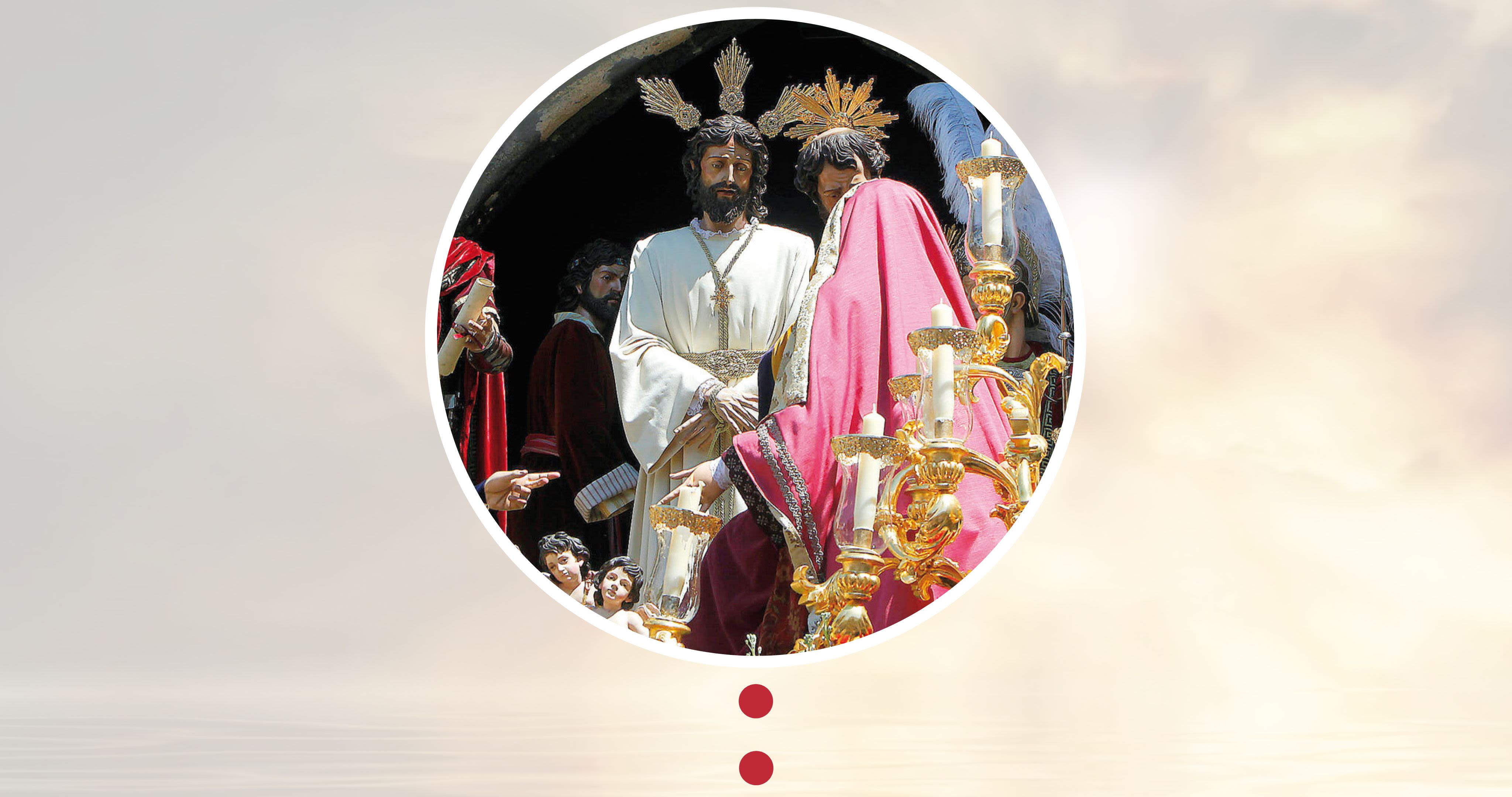
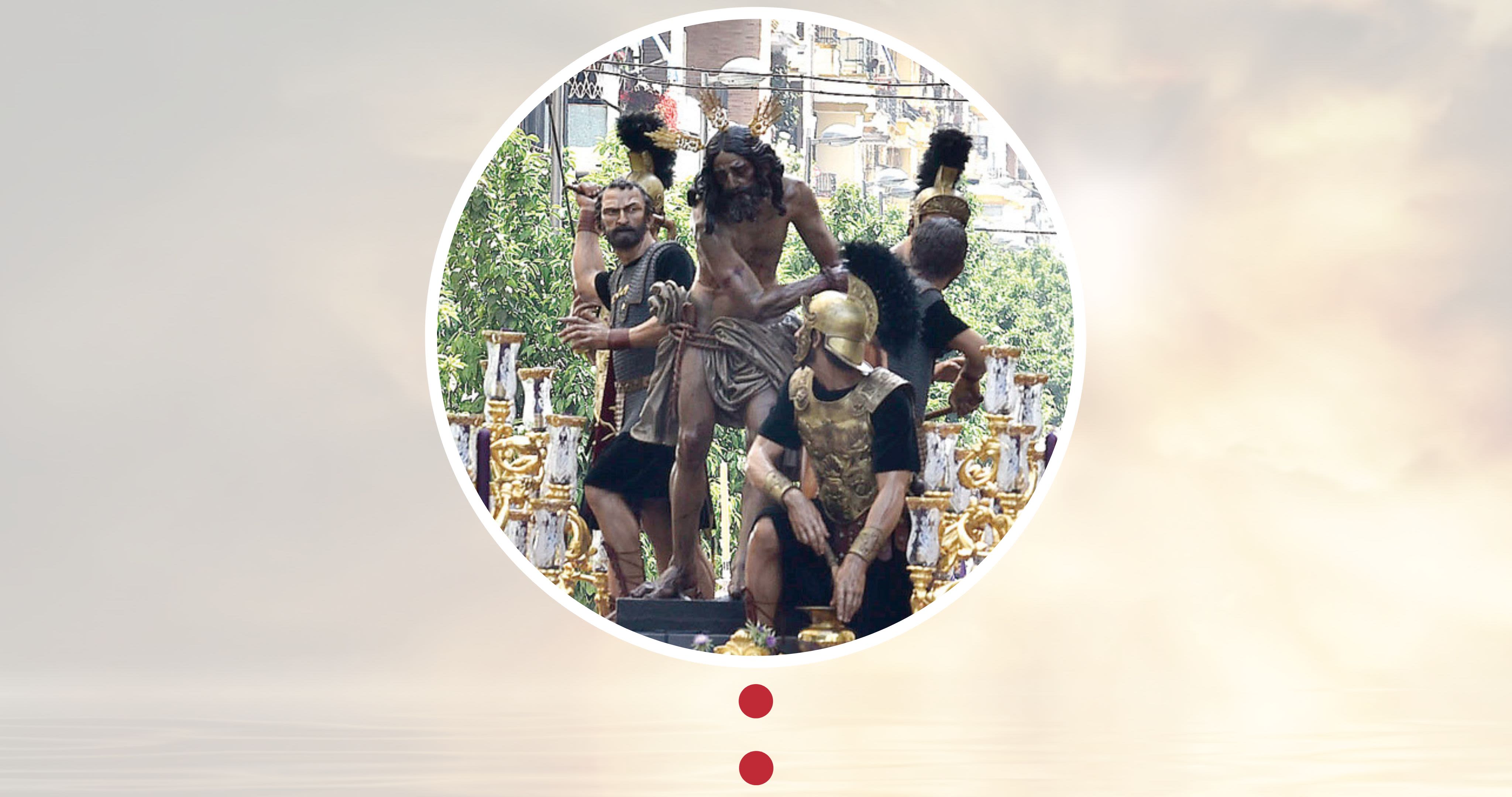
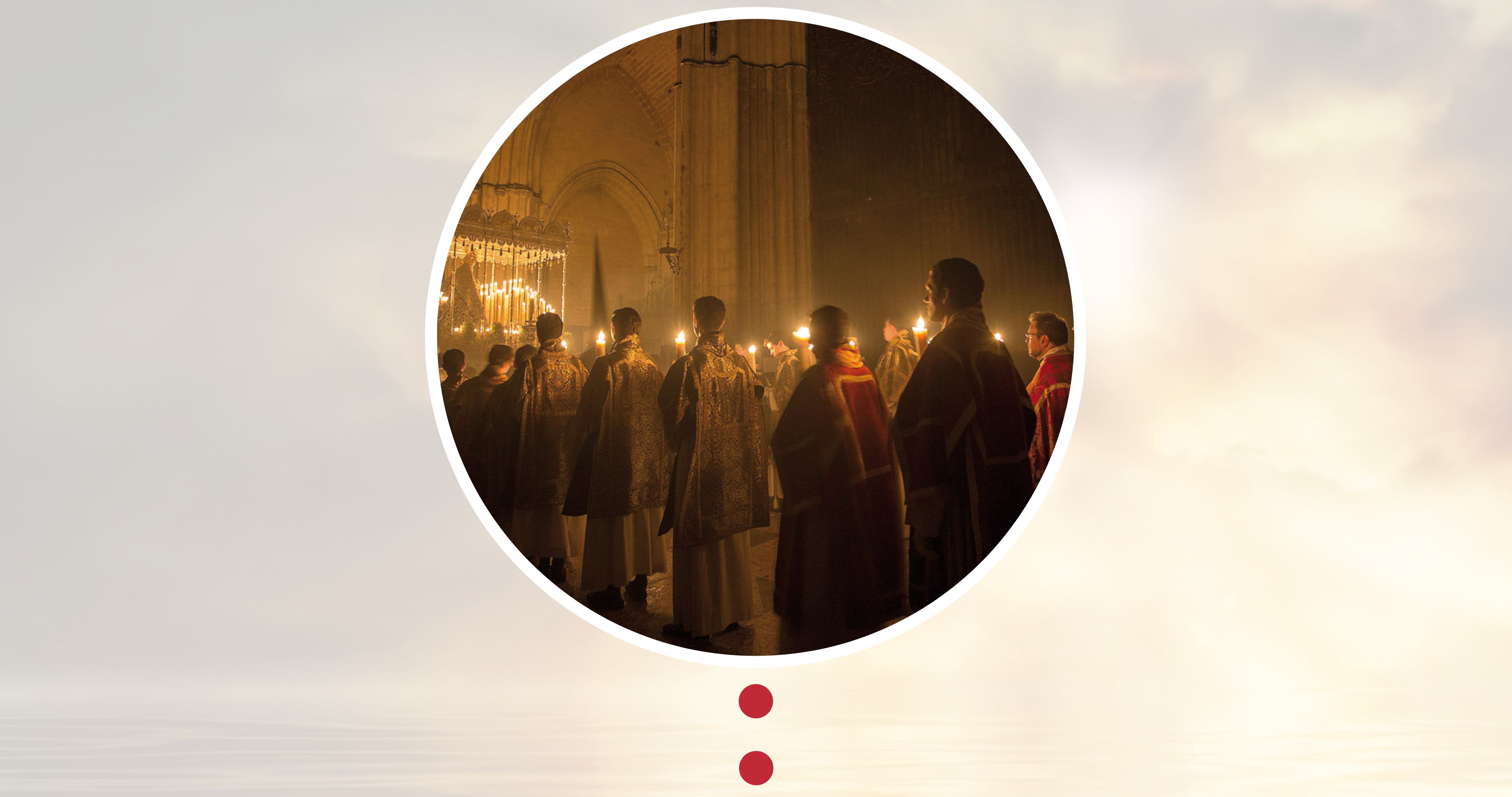
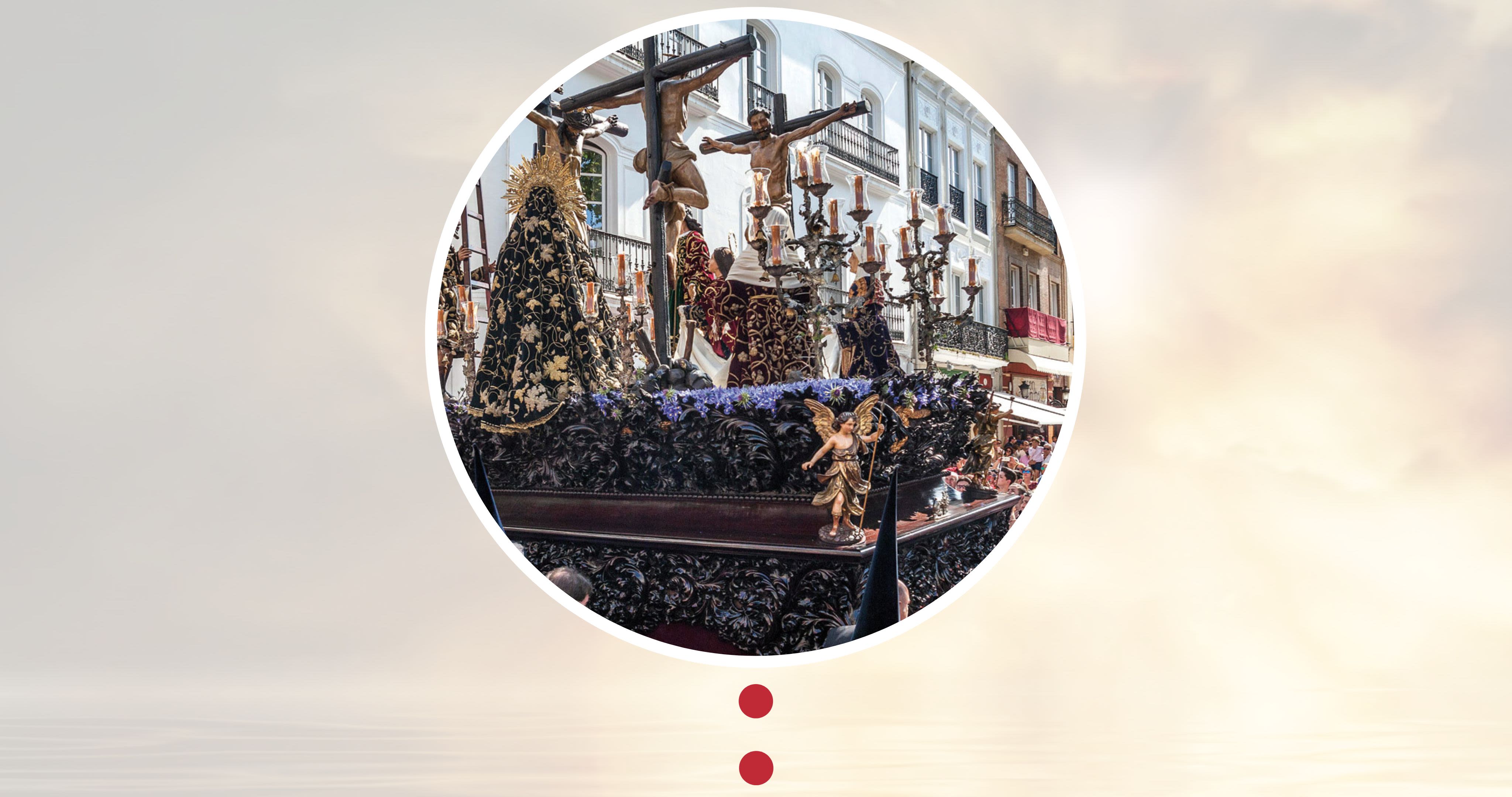
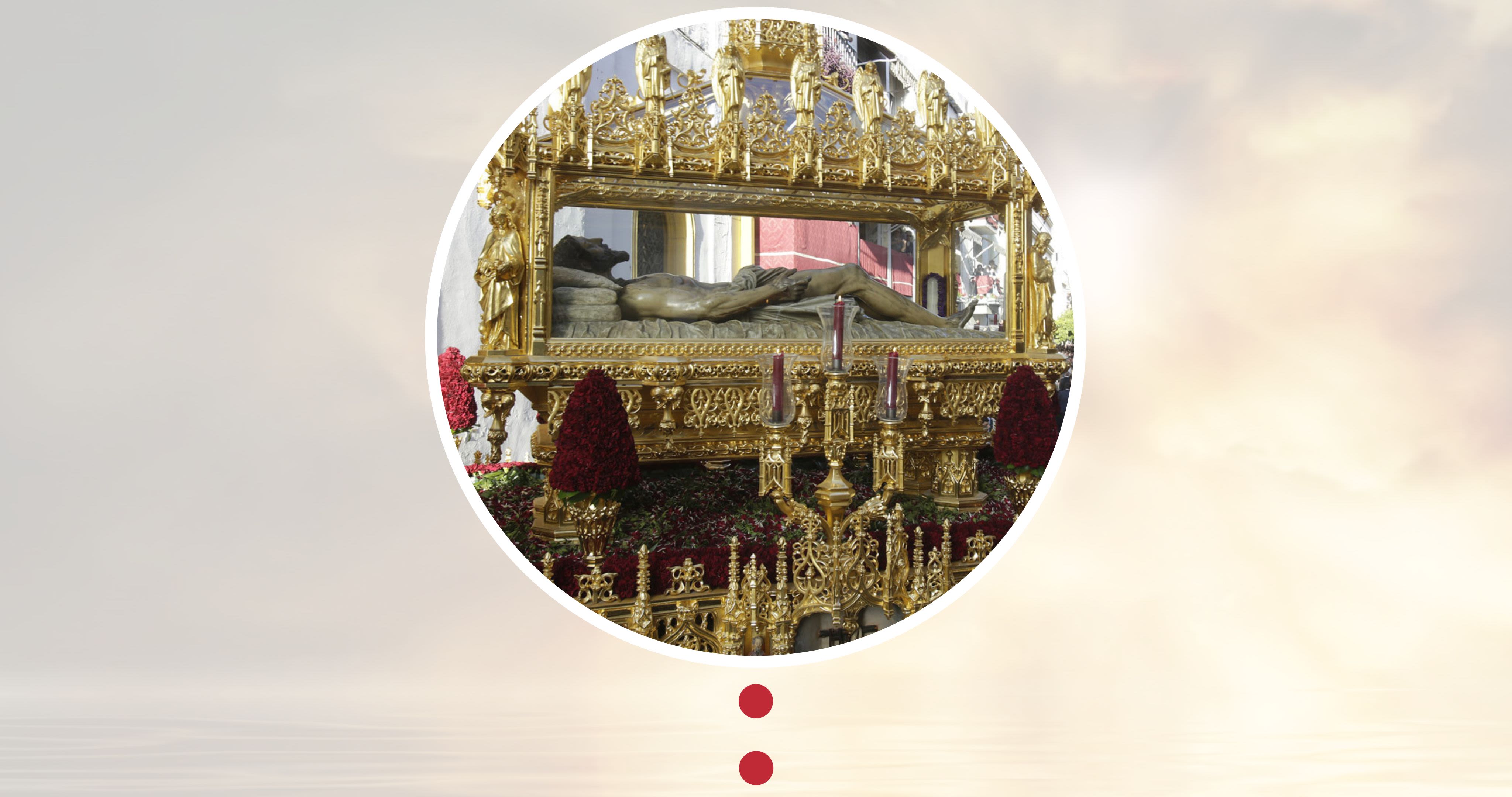
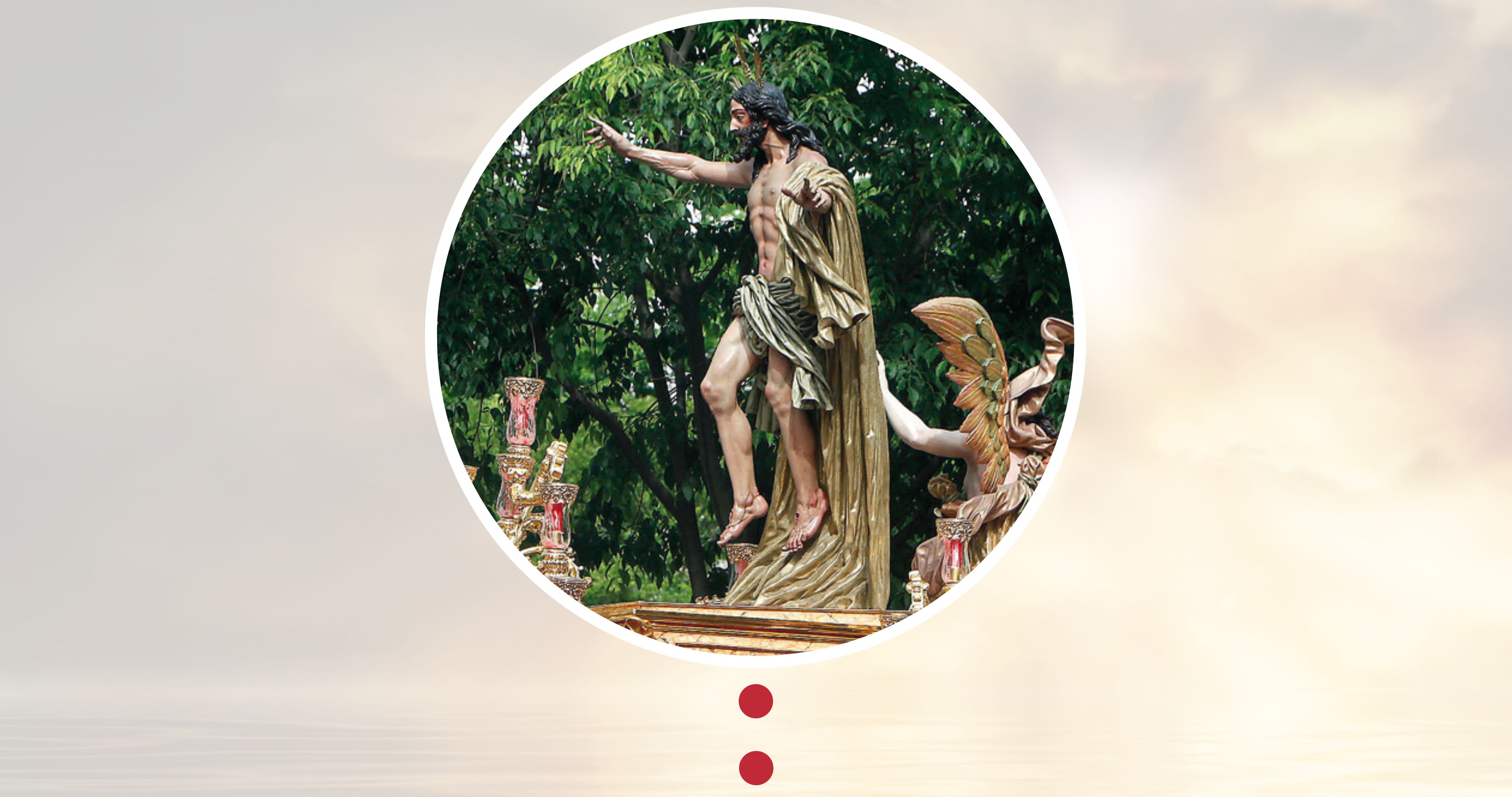

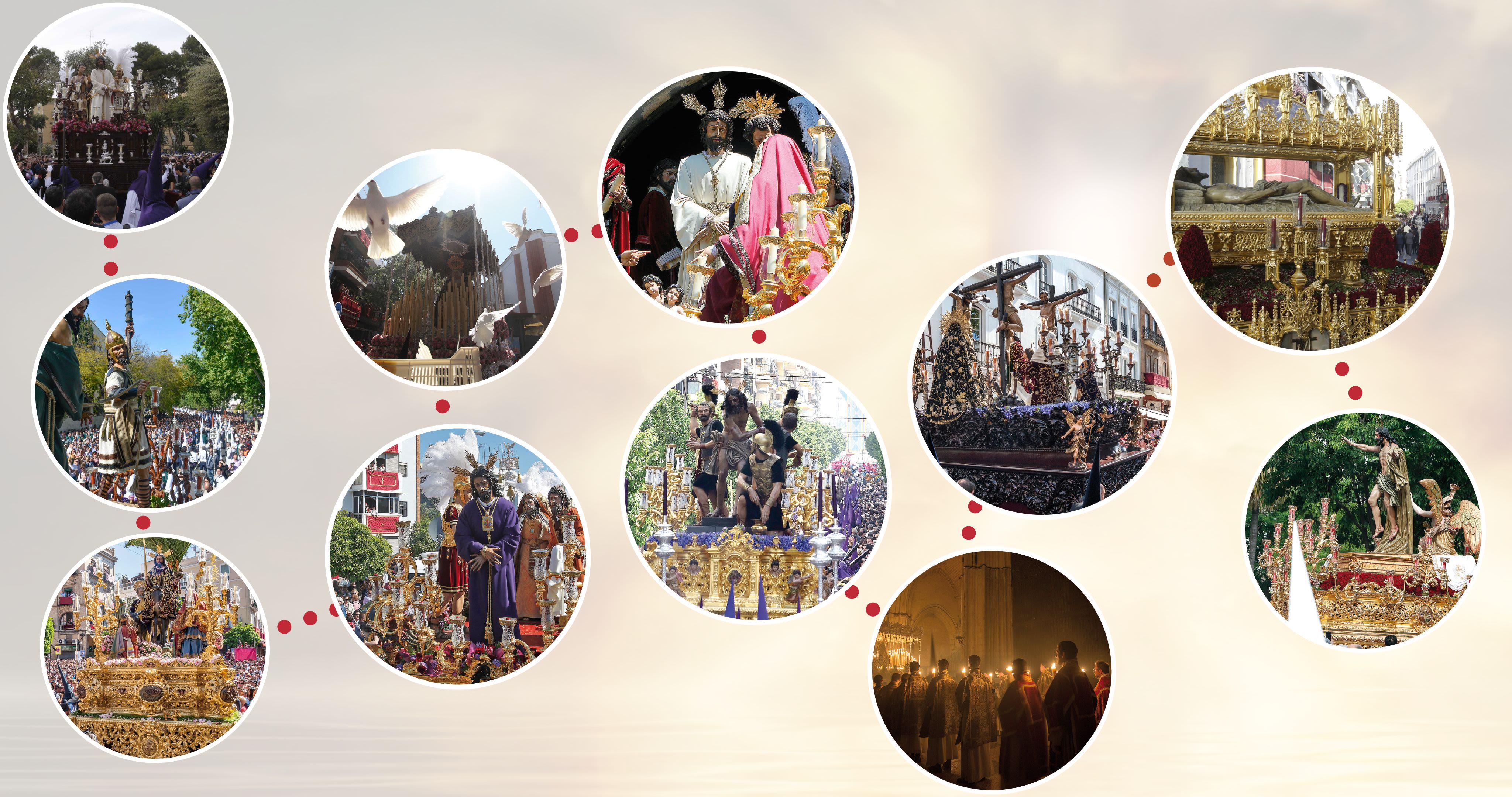
Semana Santa in Seville
Holy Week can vary depending on the lunar year.
When is Semana Santa in 2024?
This year Holy Week takes place from March 24th to 31st. Semana Santa always takes place for seven days.
During Semana Santa there are many processions throughout the city. This traditional Parades contribute to the city’s legacy.
Semana Santa is based on the biblic story of Jesus from arriving in Jerusalem till his resurrection on easter Sunday. Coming from this story the parades are based on different aspects of Jesuses story during his last week on earth.
They pass through the city on a route from their home church, till the cathedral and back to their home church. The route must be the shortest way to get to the cathedral.
One part of the route is, in all the processions the same. All of them have to pass through the so called “carrera official” which are the streets beginning in La Campana going through Calle Sierpes, Plaza San Francisco and finally Avenida de la Constitución till the Cathedral.
In the cathedral the Procession receives a blessing from the archbishop and exits the cathedral on the other side, to go back to its home church.

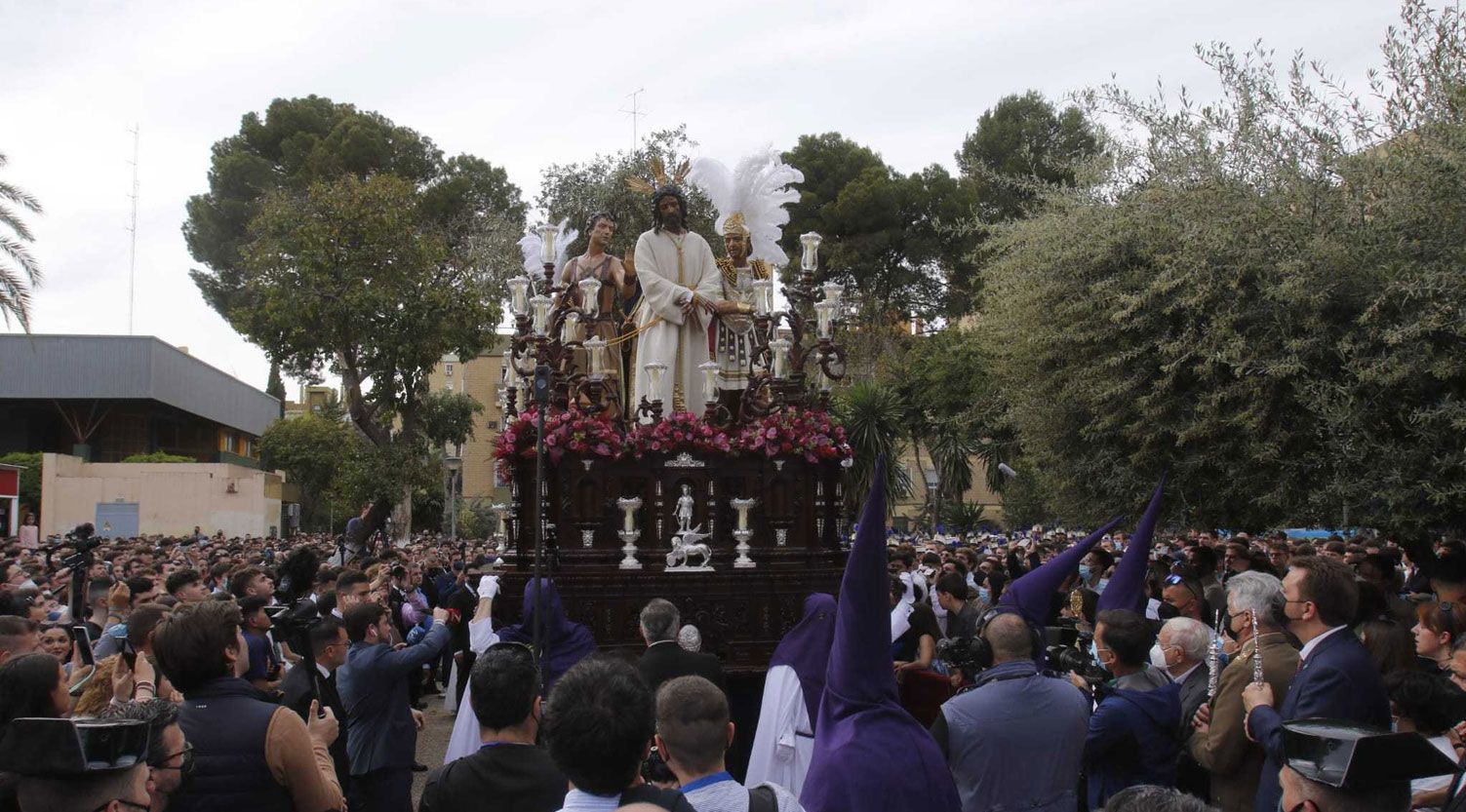
Viernes de Dolores
On Friday before Palm Sunday (when Jesus arrived in Jerusalem) the christian church prepares their first processions through the city. And with that it is ther start of the week of passion. I recommend seeing Pino Montano, as it is located in a part of Sevilla and thus it is not gonna be so crowded as Processions during the week.
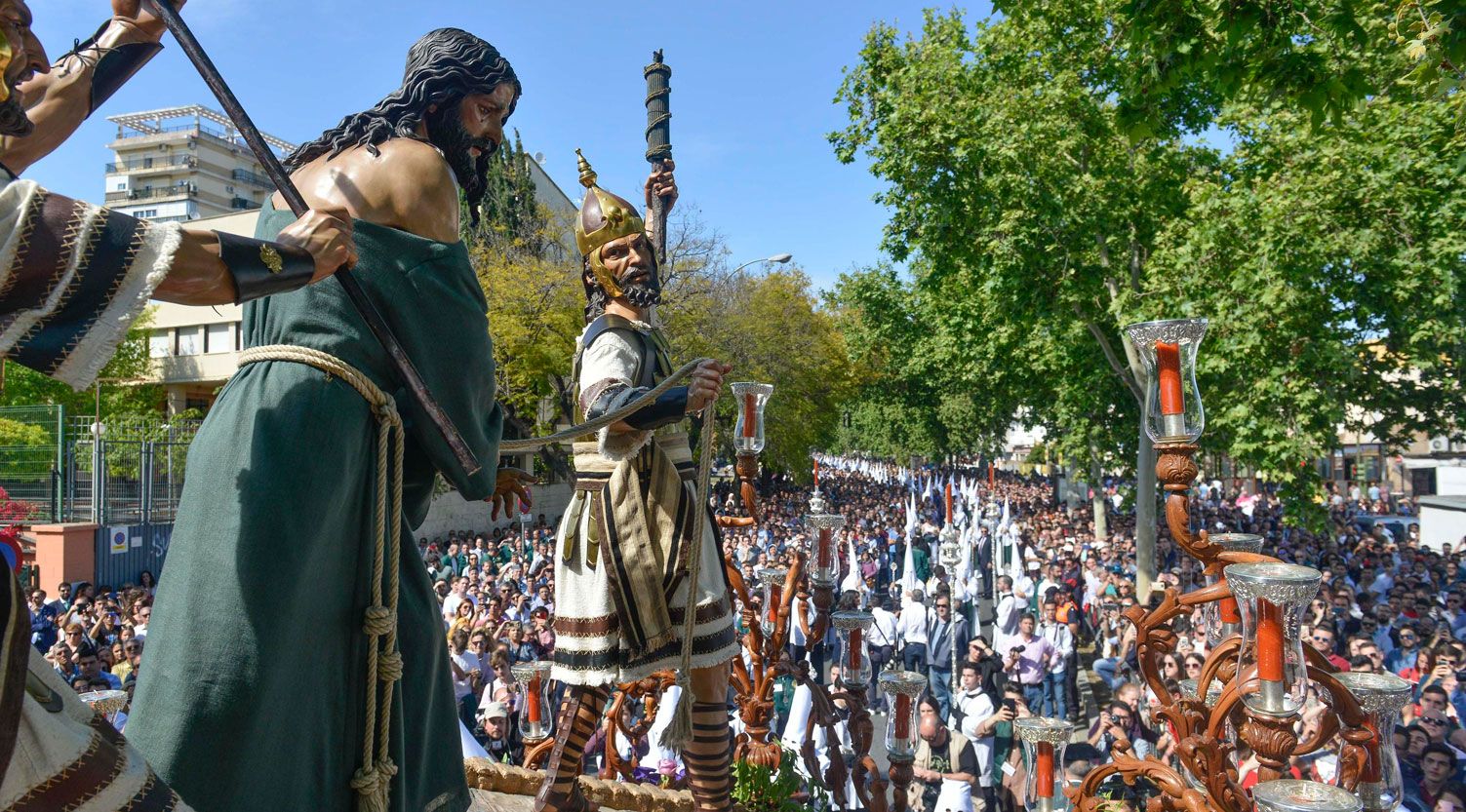
Sábado de Pasión
Saturday of Passion is the last day of fasting during the four weeks before easter (Cuaresma) and prepares the catholics to the week of Semana Santa. The procession of La Milagrosa is short but interesting, to see and to get prepared for the week ahead.
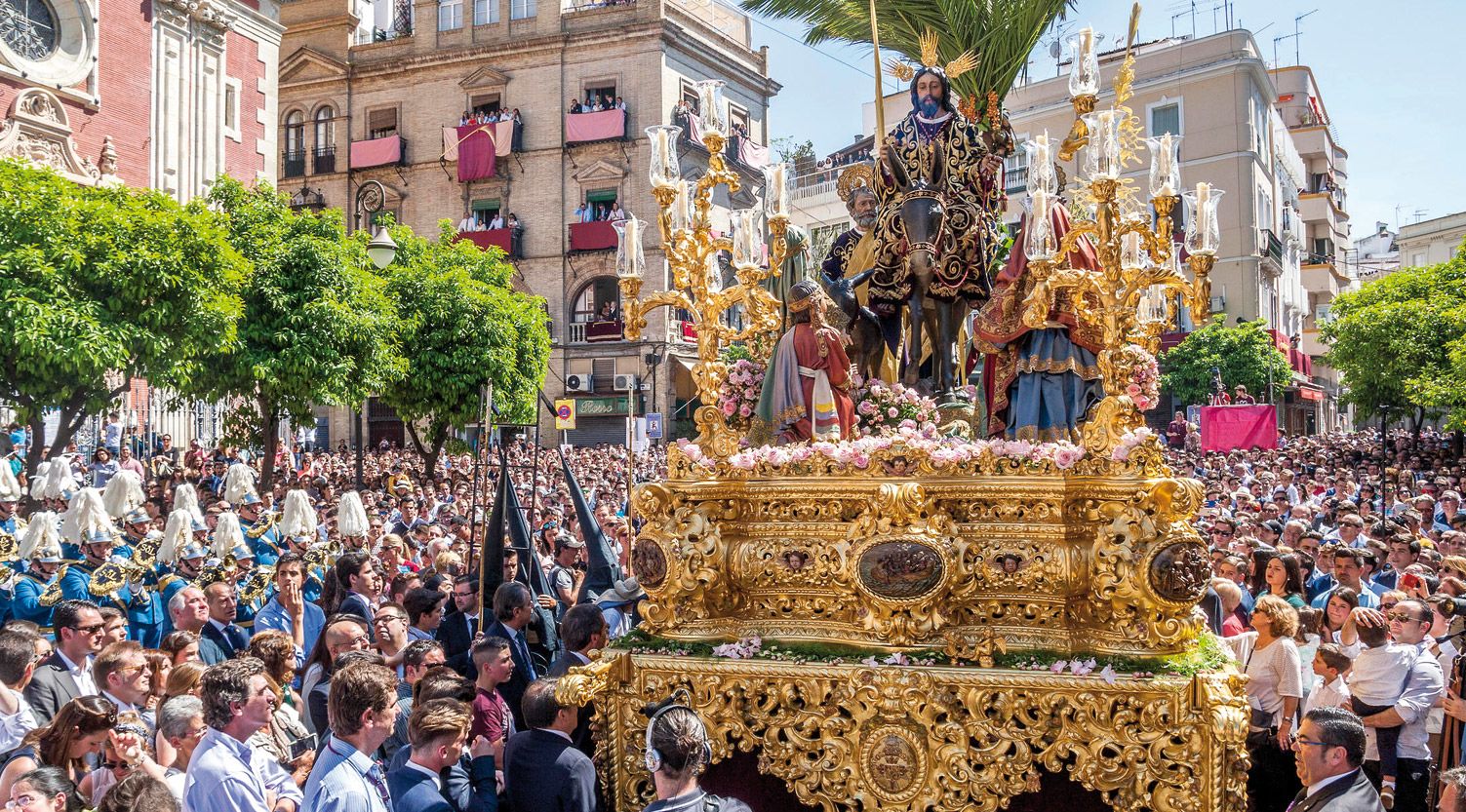
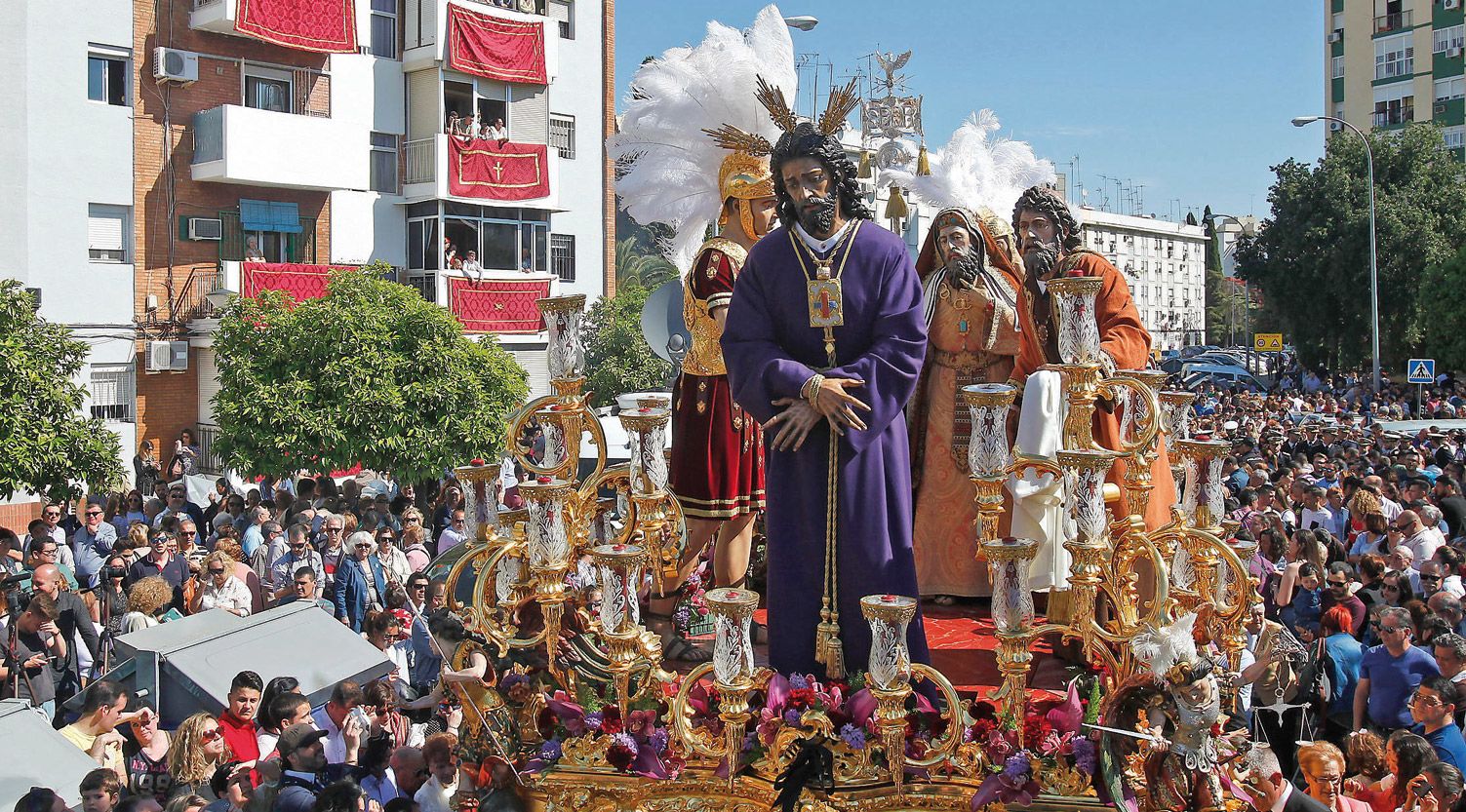
Domingo de Ramos
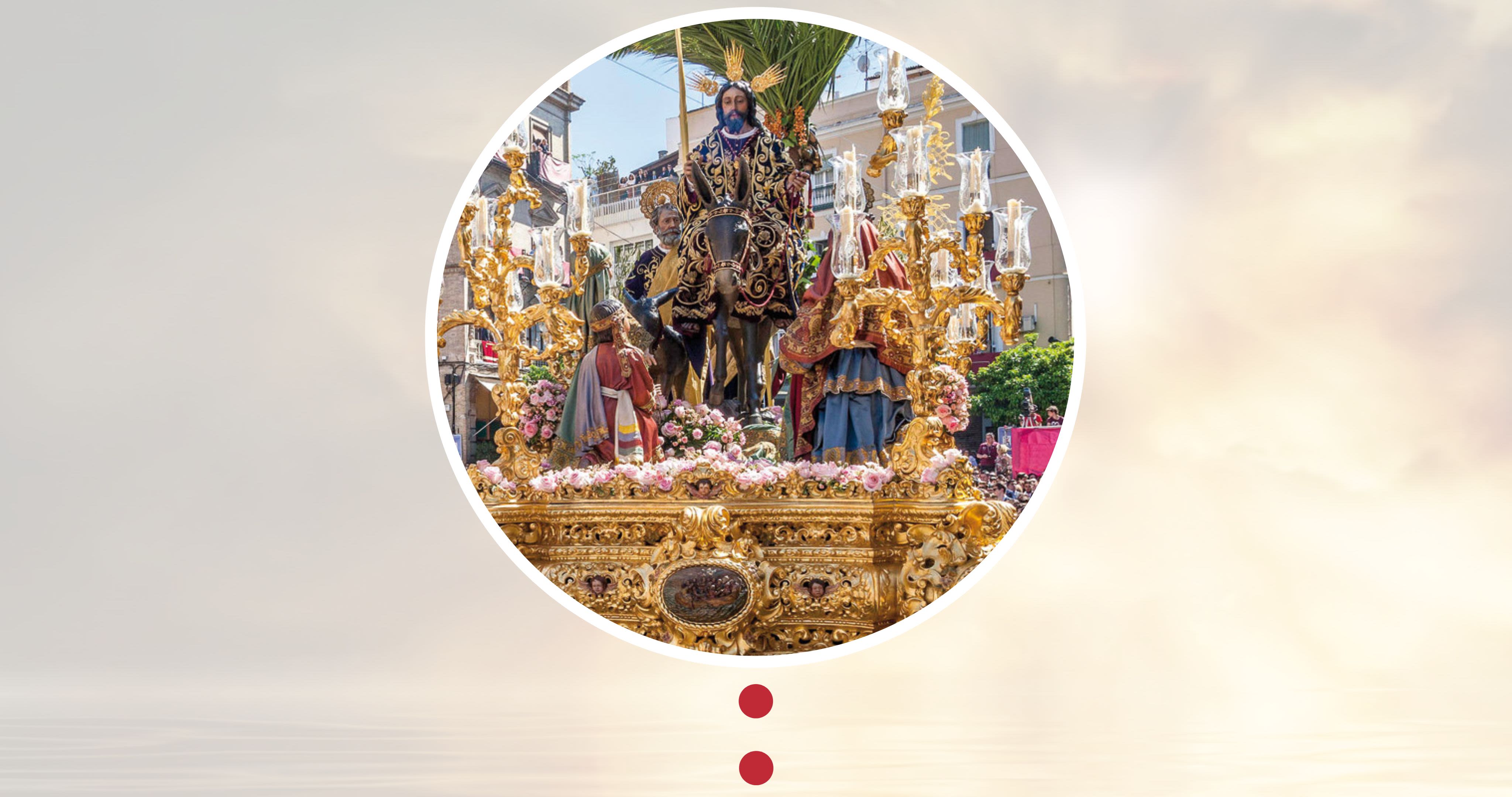
On Palm Sunday (Domingo de Ramos) Seville celebrates the arrival of Jesus in Jerusalem. The most important Procession this day is the one of La Borriquita, because their wooden statue displays the arrival of Jesus.
Lunes Santo
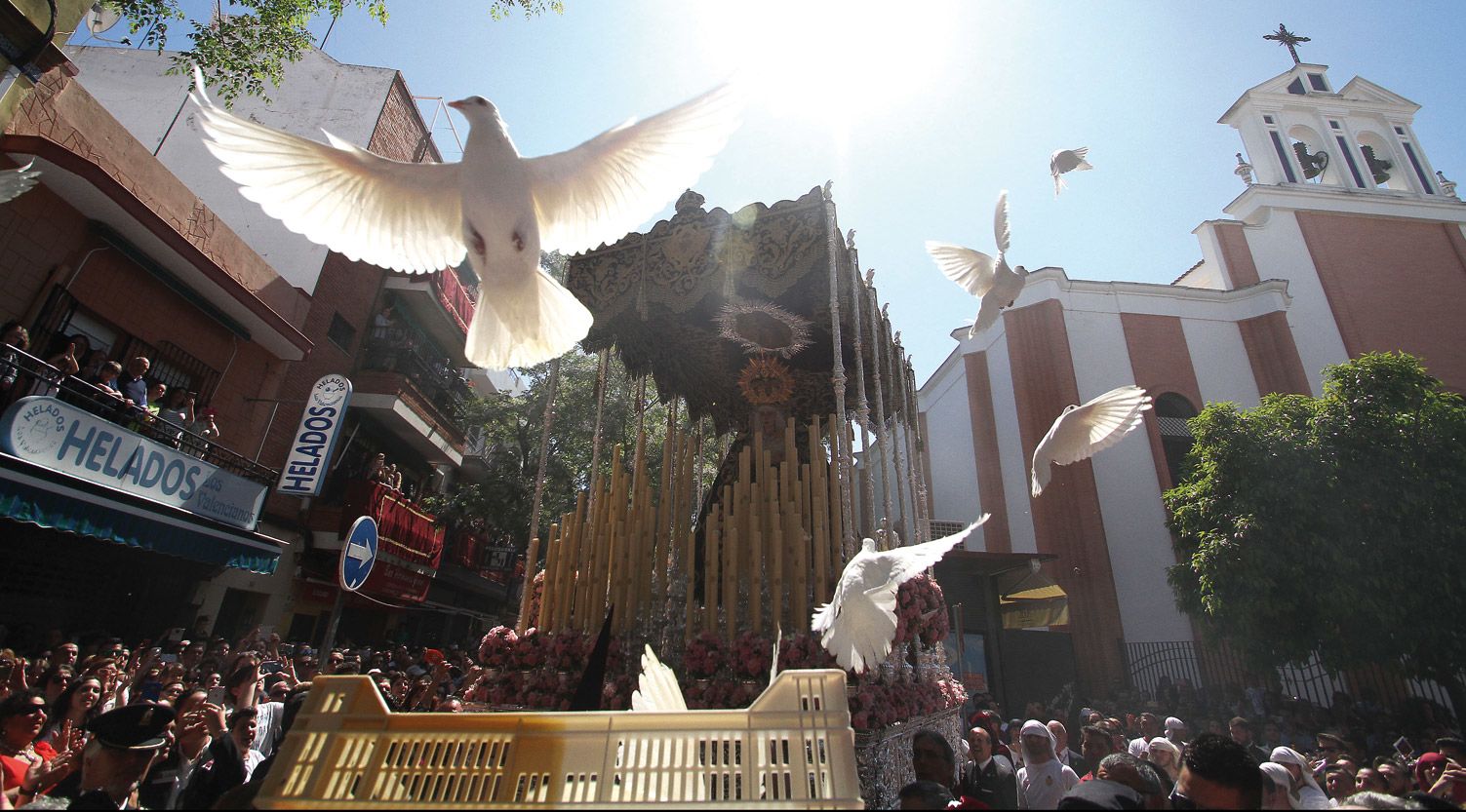
On Monday the Processions keep on going with the city filled of catholics. The most important Processions is Vera Cruz.
Martes Santo
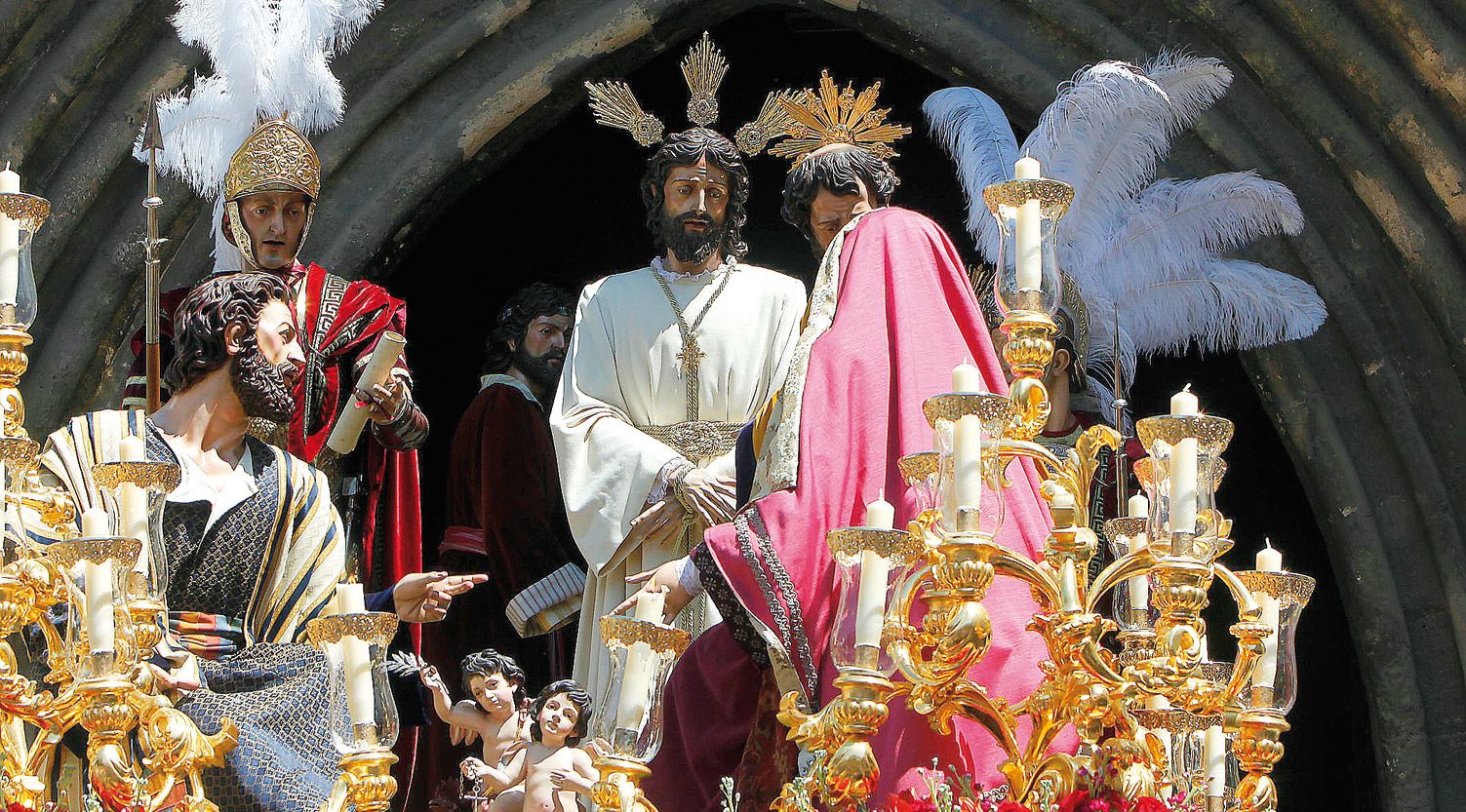
On Tuesday (Martes Santo) Jesus announced his future death. In Seville during this day different scenes of Jesus are lead throughout the city. One that is recommended features a Jesus on a cross (Los Javieres).
Miércoles Santo
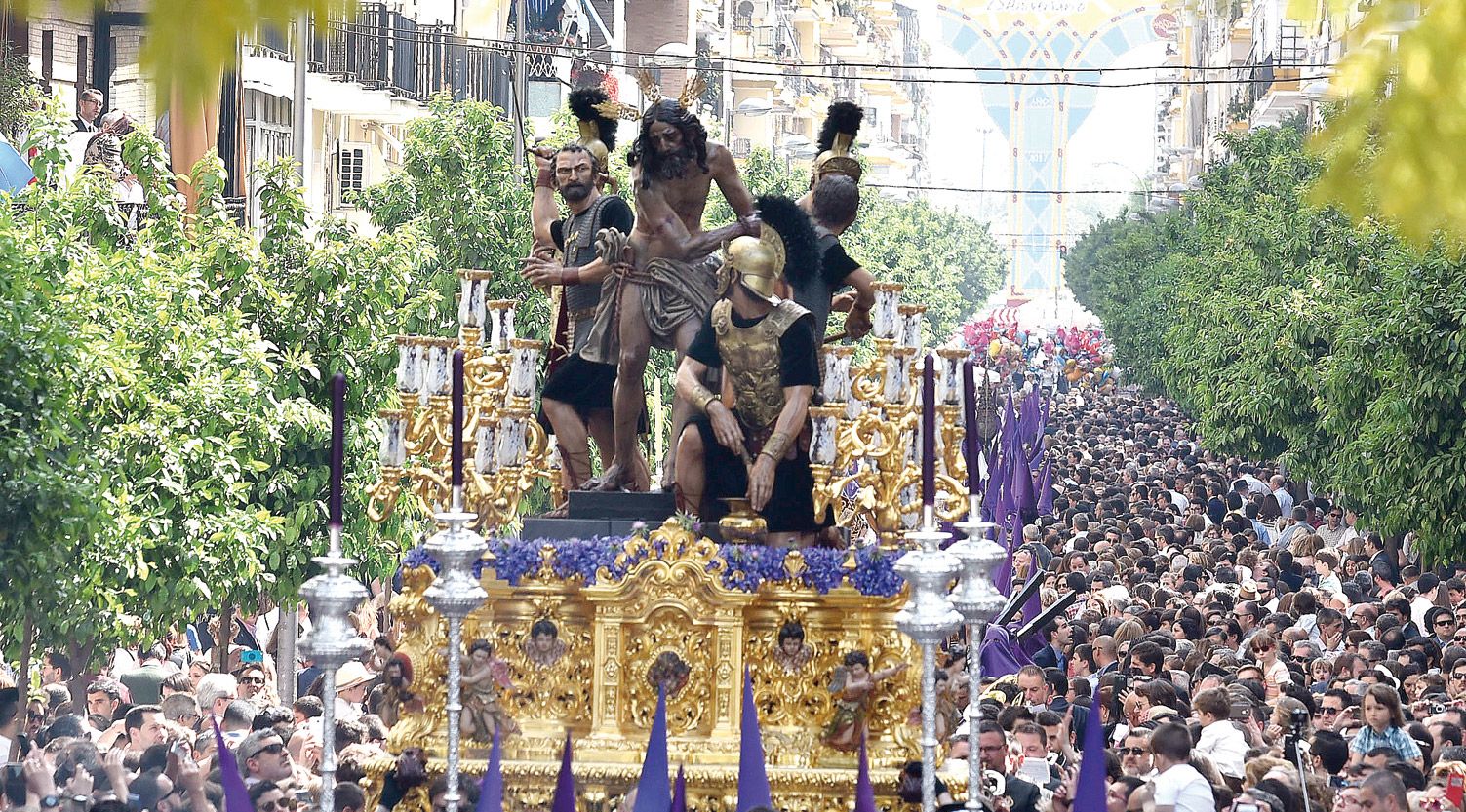
Wednesday (Miercoles Santo) marks the betrayal by Judas in Christian believe. On this day Jesus is displayed either hanging on a cross or getting arrested by roman soldiers. (I recommend seeing “El Carmen”).
Jueves Santo
Thursday (Jueves Santo) is not impressive only during the day, but also by night the city turns into a Christian spectacle. On this day Jesus held the last supper. (I recommend seeing “Montesión”).
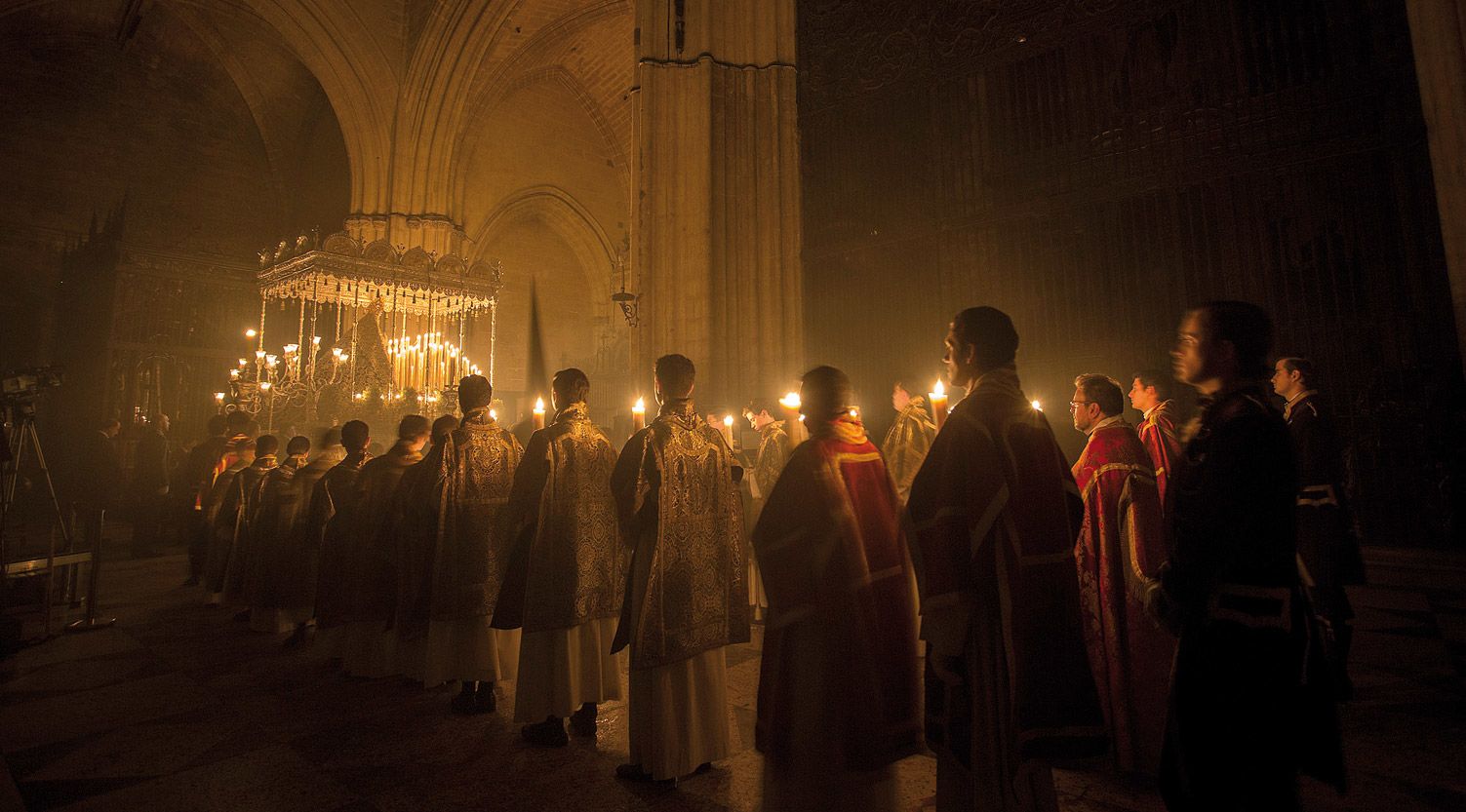
La Madrugá
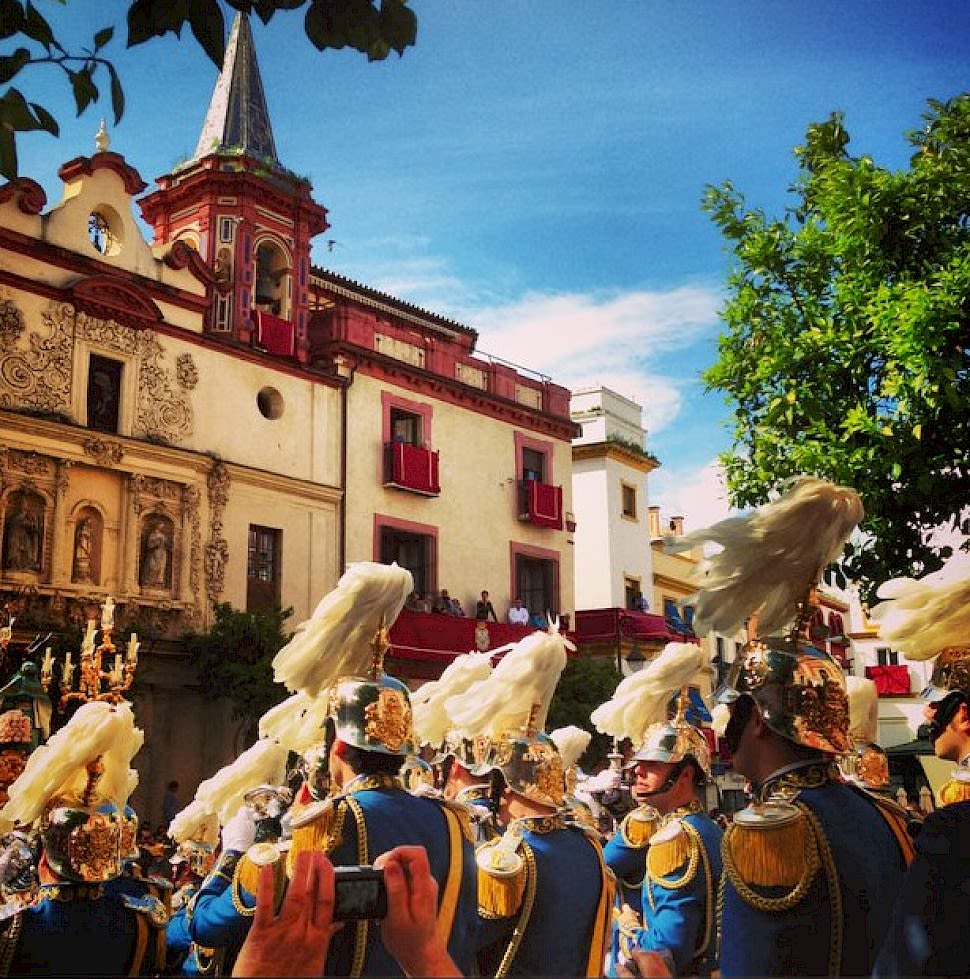
La Madrugá is the night from Thursday to Friday and shows the most famous processions that the city withholds. The most special Pasos find their way to the Cathedral and back: Macarena, Esperanza de Triana, Gran Poder are the three most known cofradías in Sevilla.
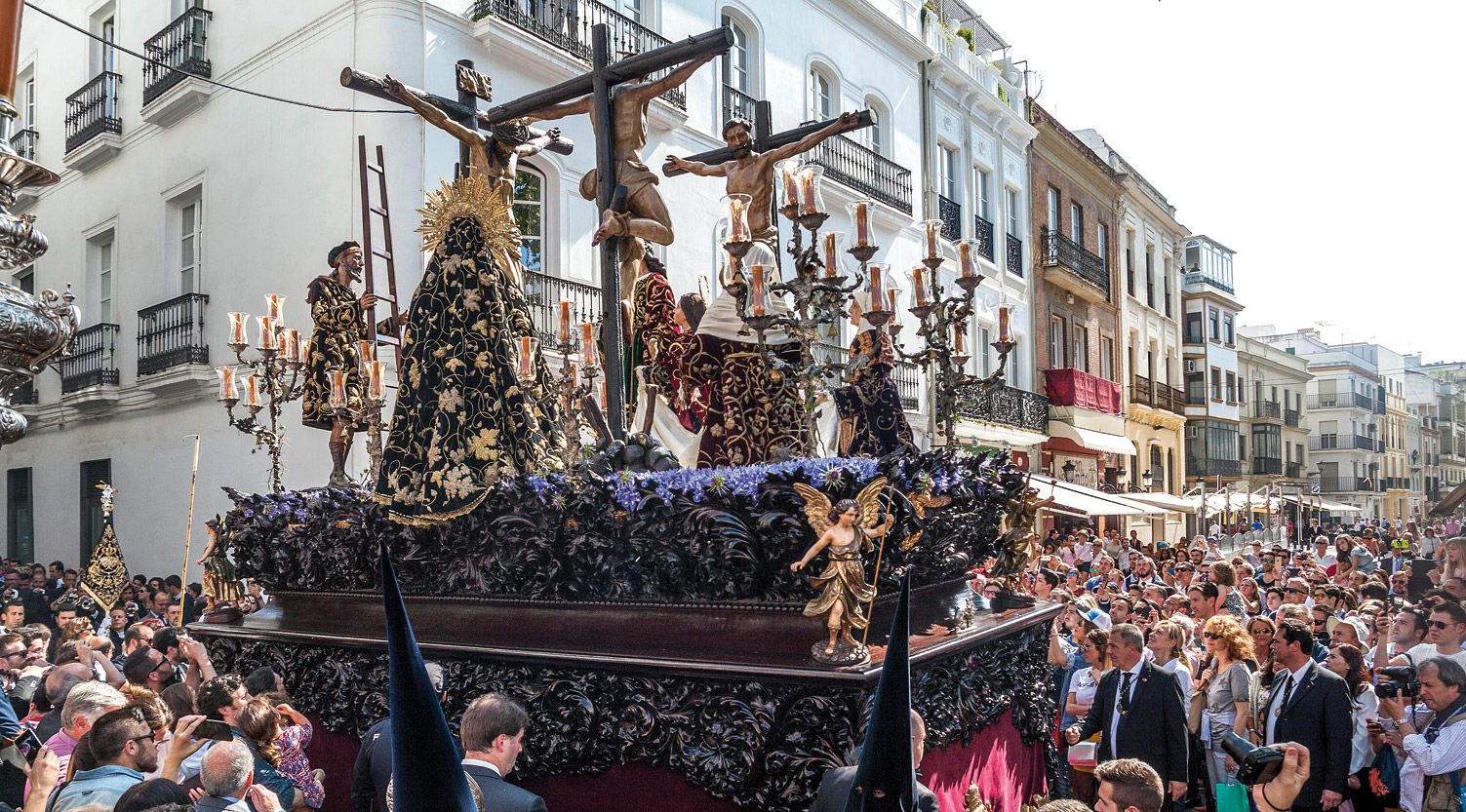
Viernes Santo
Friday (Viernes Santo) represents the day Jesus was crossed. One interesting Paso in Seville is on that day “La Carretería” as it shows three crosses.
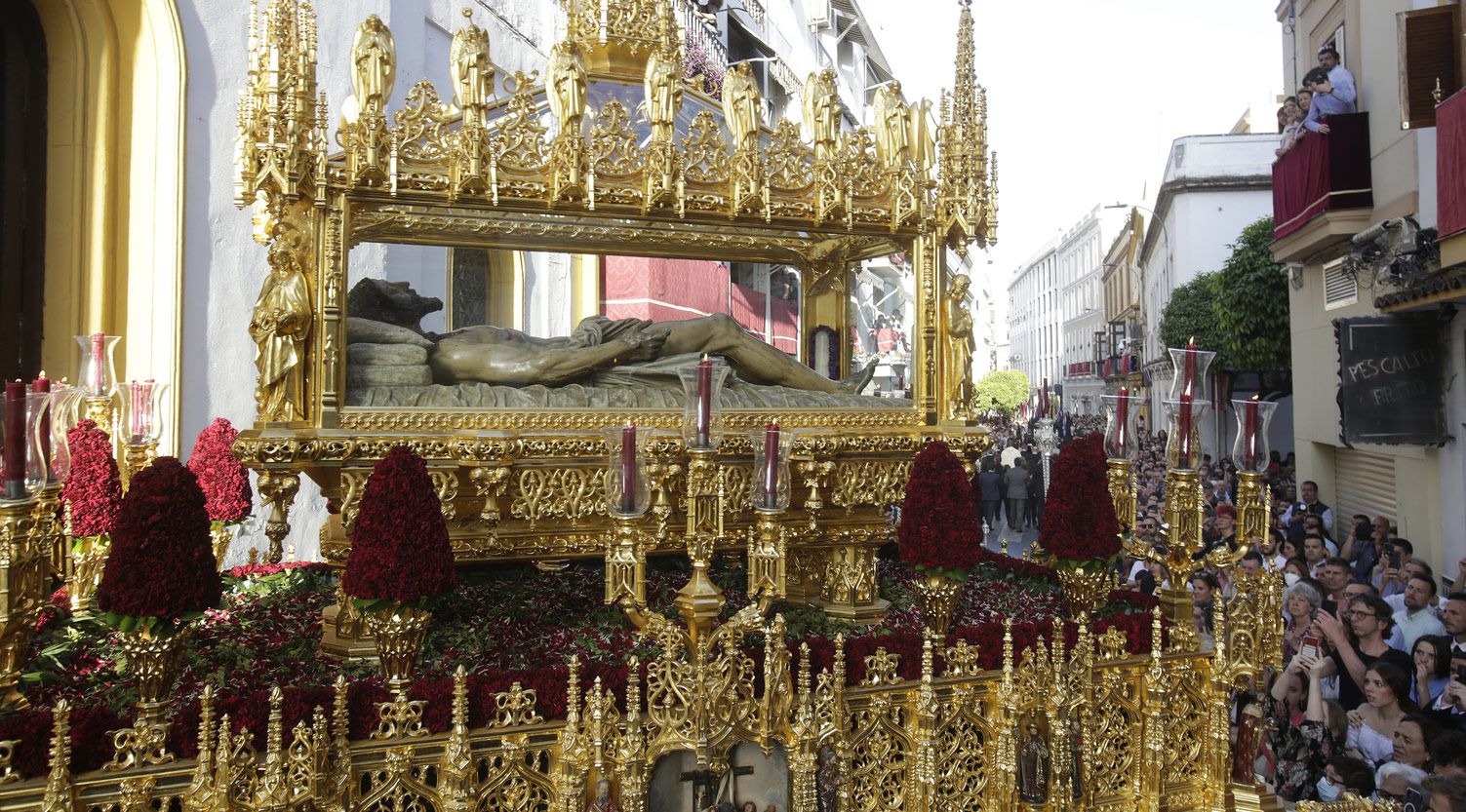
Sábado Santo
Saturday (Sábado Santo) remembers Maria after losing her son. In the Paso of the brotherhood “El Santo Entierro” a Jesus in a gold tomb is displayed.
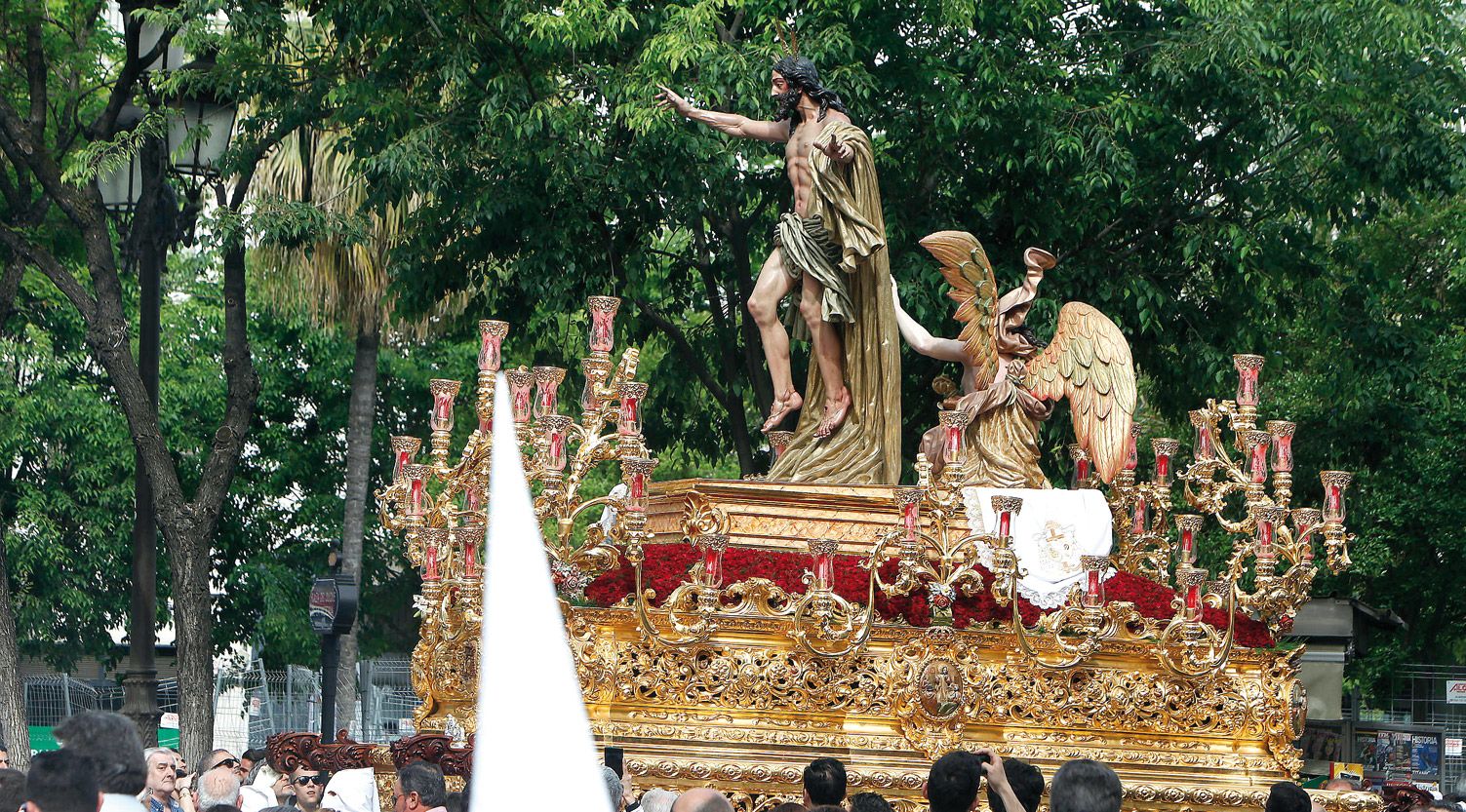
Domingo de Resurrección
Sunday (Resurrección) represents Jesus reincarniated. In Seville on this day only one Processions is held with a Jesus and Angel displayed as the reincarniated Jesus.
Next step, get around the city!

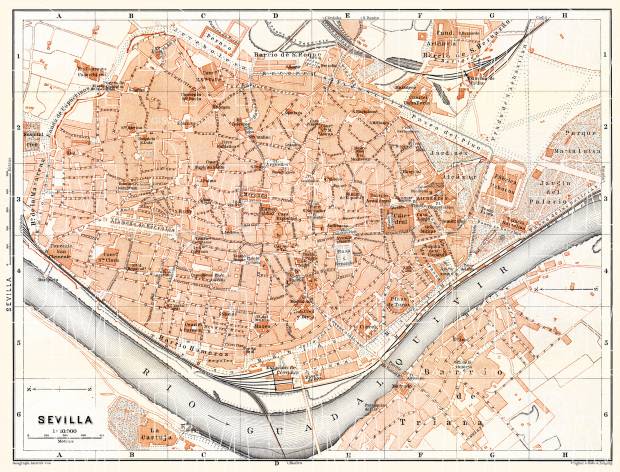
Areas in Sevilla
During Semana Santa there are some areas in the old town, that are more frequented by Processions. The Cathedral is in the area called Santa Cruz, in this area all the processions have to pass through. Because the so-called "carrera official" (from La Campana till the cathedral) goes through this area.
Regina
Regina is the area (orange) that inherits many Processions because it is right in front of La Campana in which the "carrera official" starts and that leads to a high amount of Processions passing through Regina.
Alfalfa
Alfalfa is the area (in red above) that inherits all the Processions passing through, as it is the place where the "carrera official" begins with the main street Calle Sierpes.
Santa Cruz
Santa Cruz is the centre of the old town (in green above) and therefore inherits the cathedral and the main streets of the Semana Santa processions.
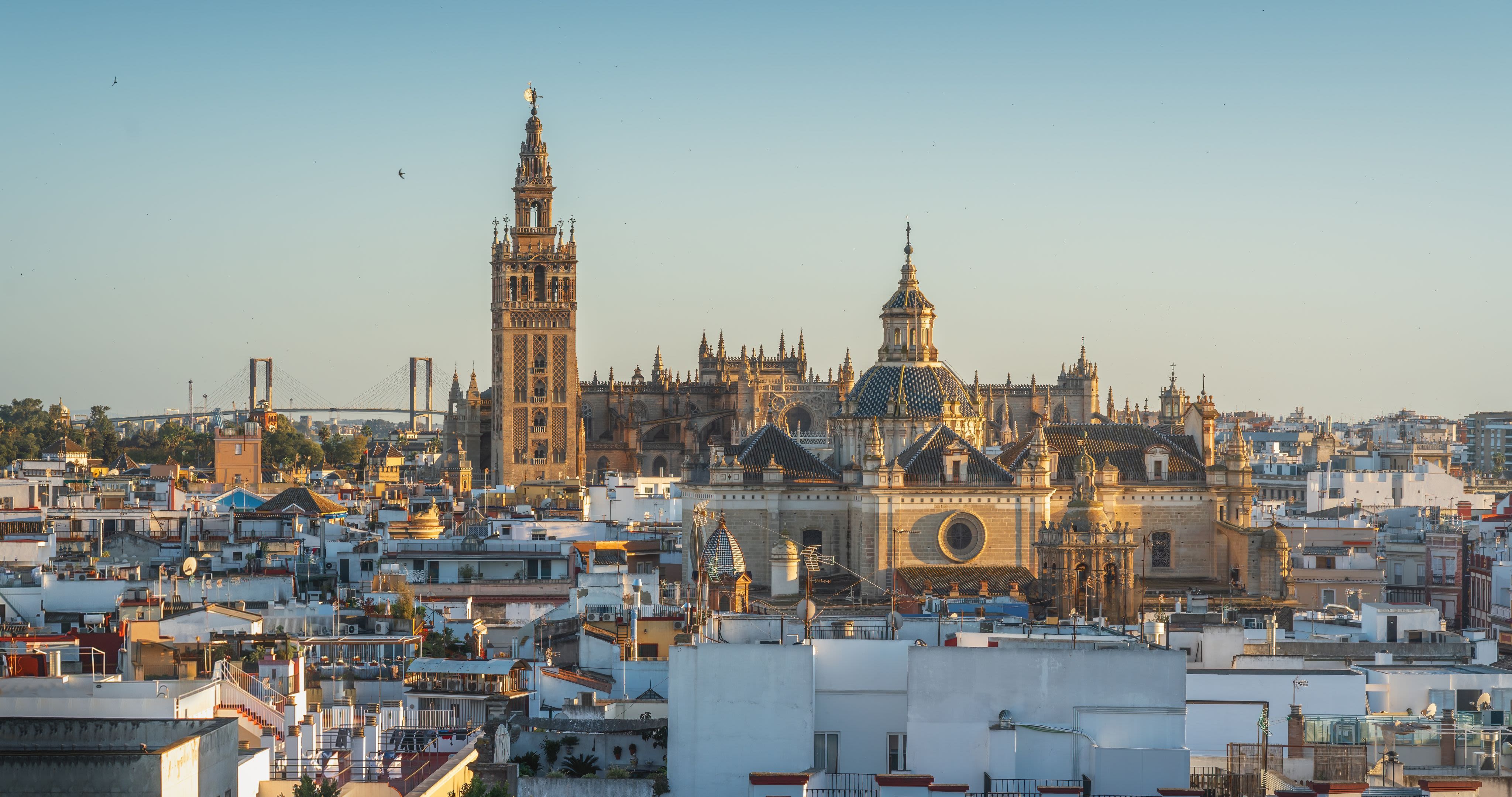

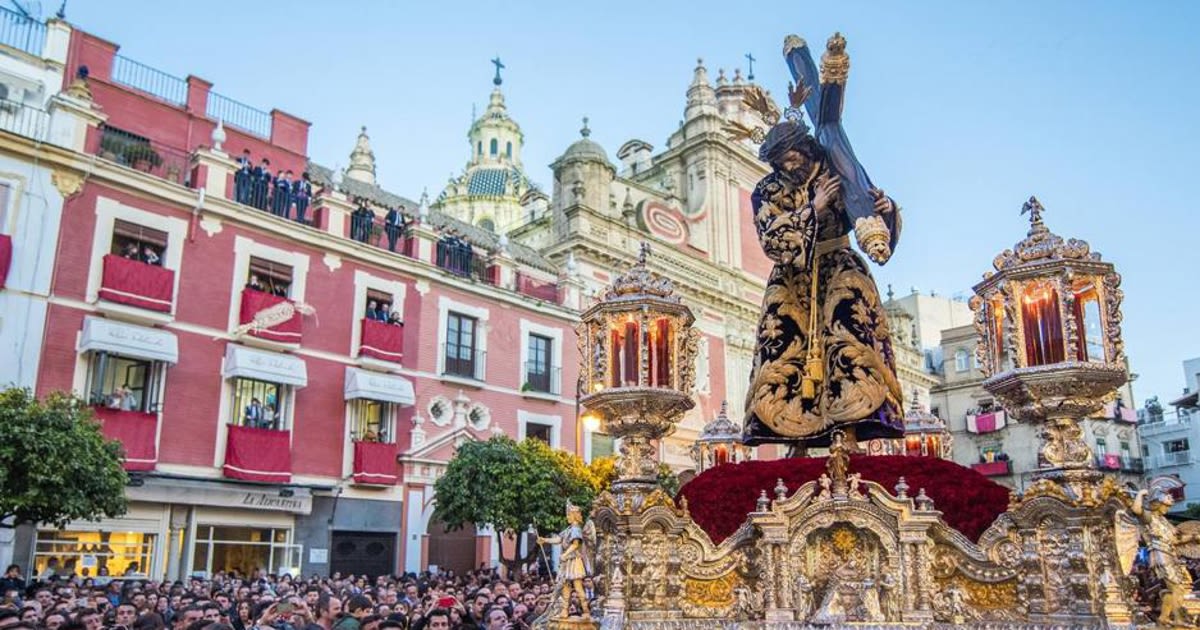

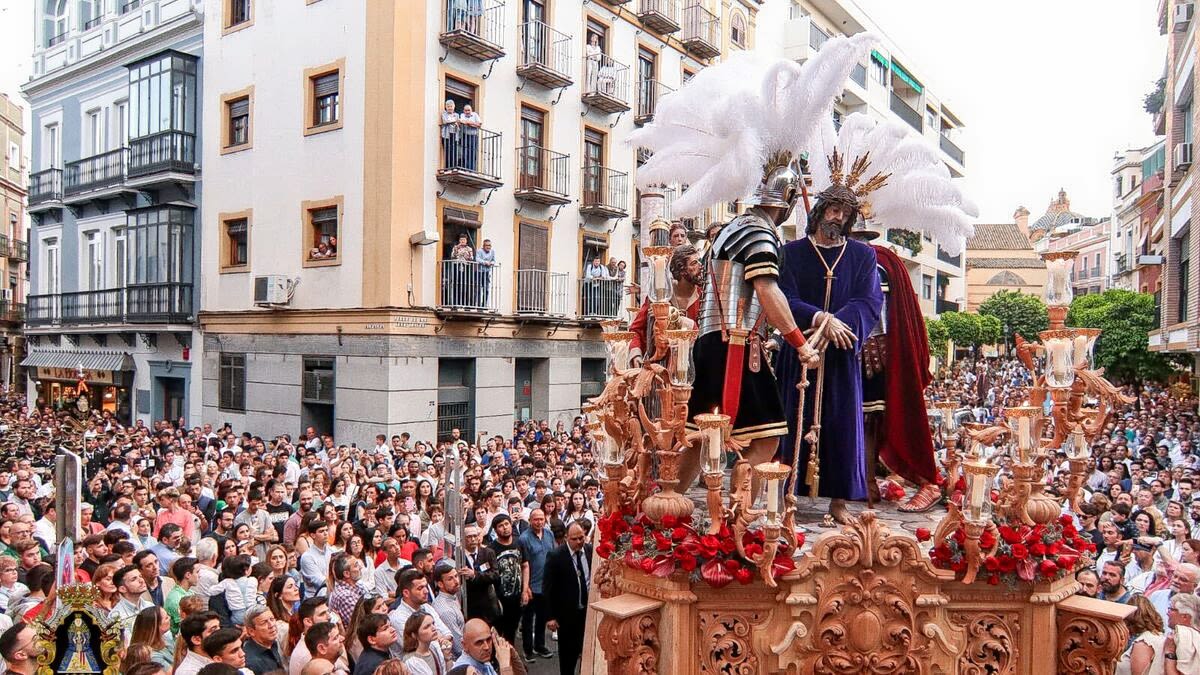
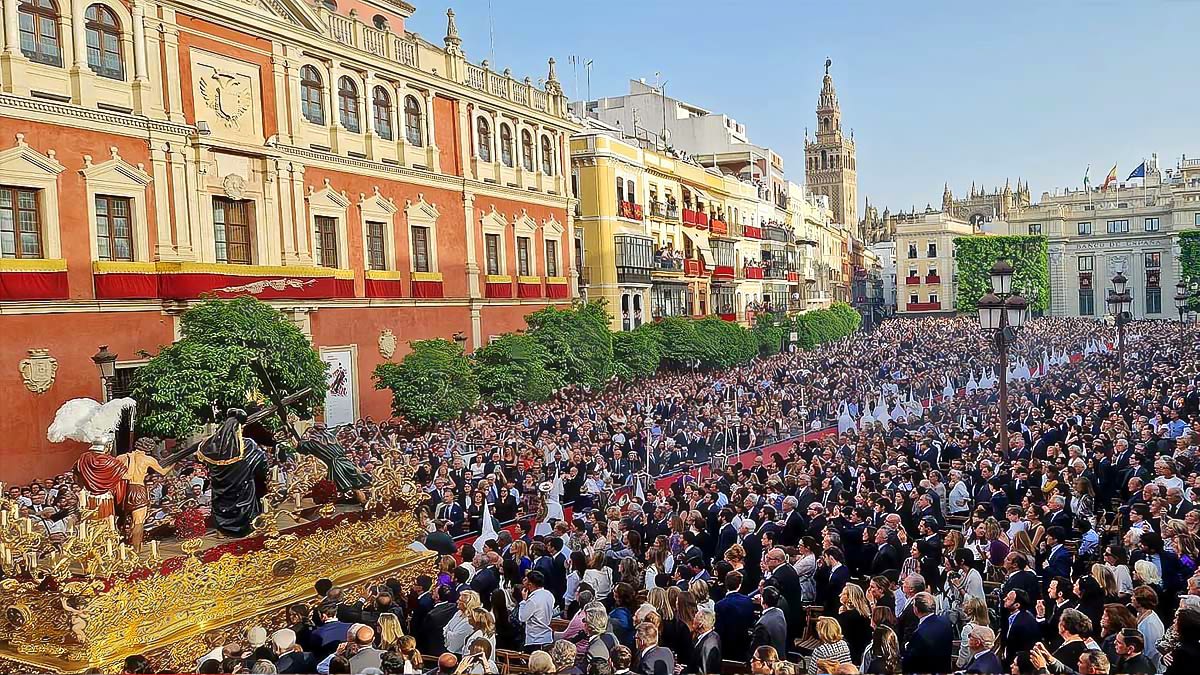
Seeing a Maria or Jesus transported in the middle of the city, in a charade of people is not only enchanting, it also creates a feeling of wonder. But what are these parades really about, and how are they organised?
The Processions and Pasos

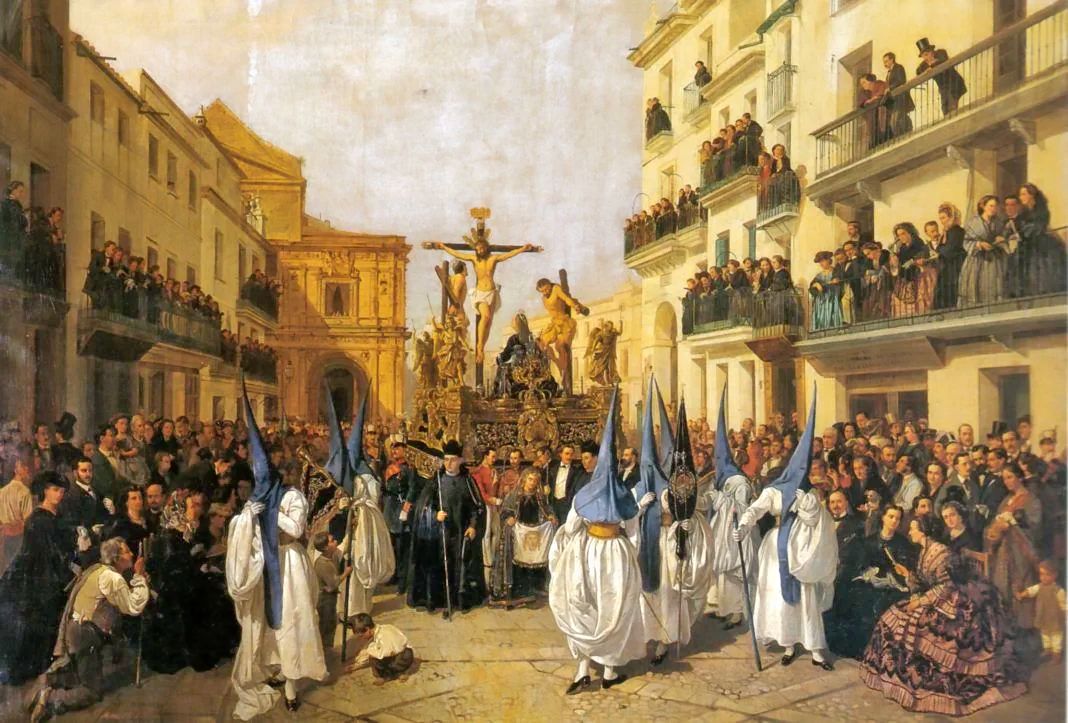
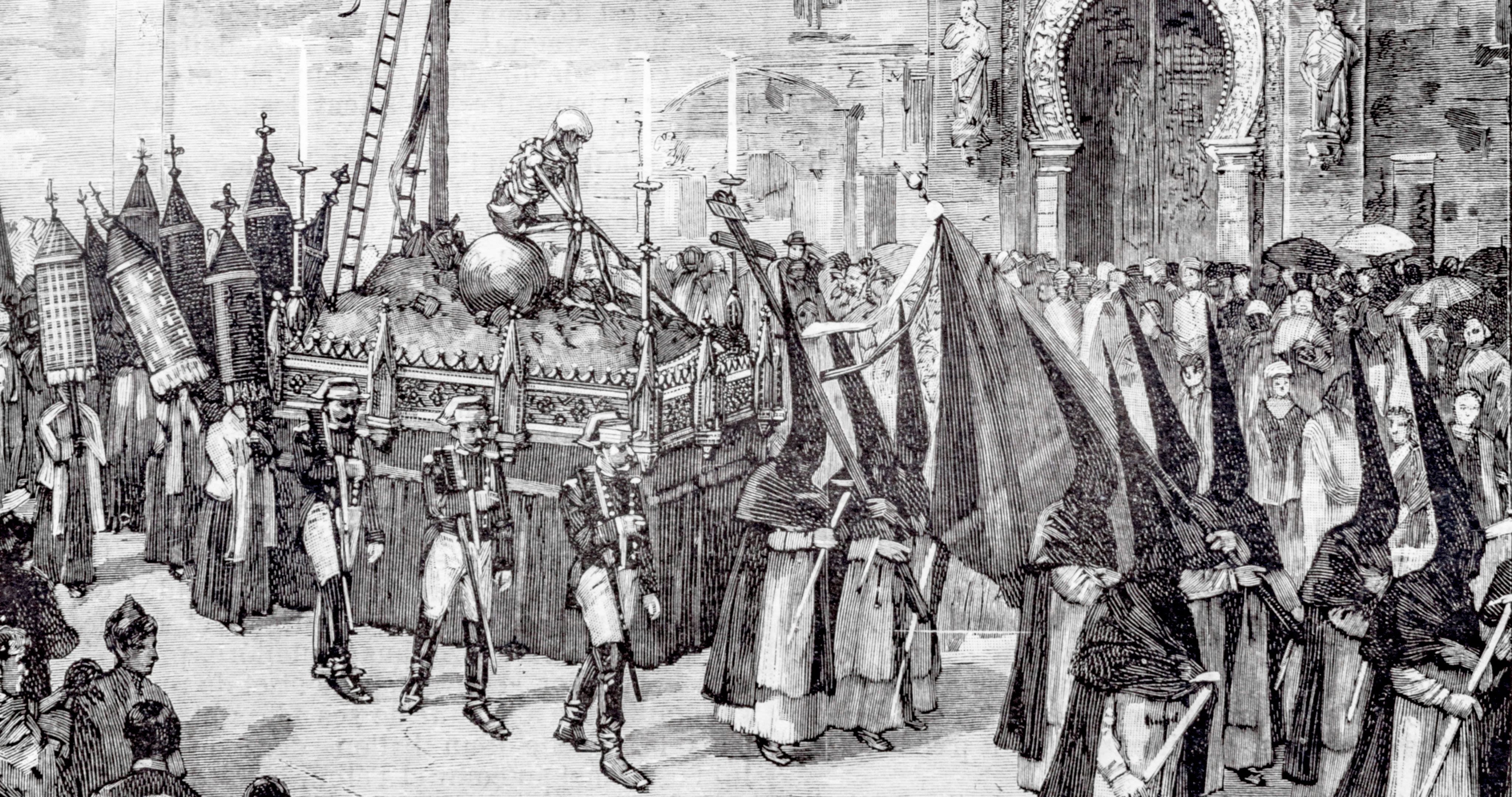
All the Processions have the same structure:
1. A great cross (cruz de guía)
2. Then all the Nazarenos of the brotherhood (from the youngest to the oldest members of the brotherhood)
3. A group of altar boys dressed like priests and carrying chandeliers or incense.
4. The Paso
5. A musical band
6. Penitents that wear wooden crosses
7. They are closed by the titular chaplan in processional vestments.
A Paso
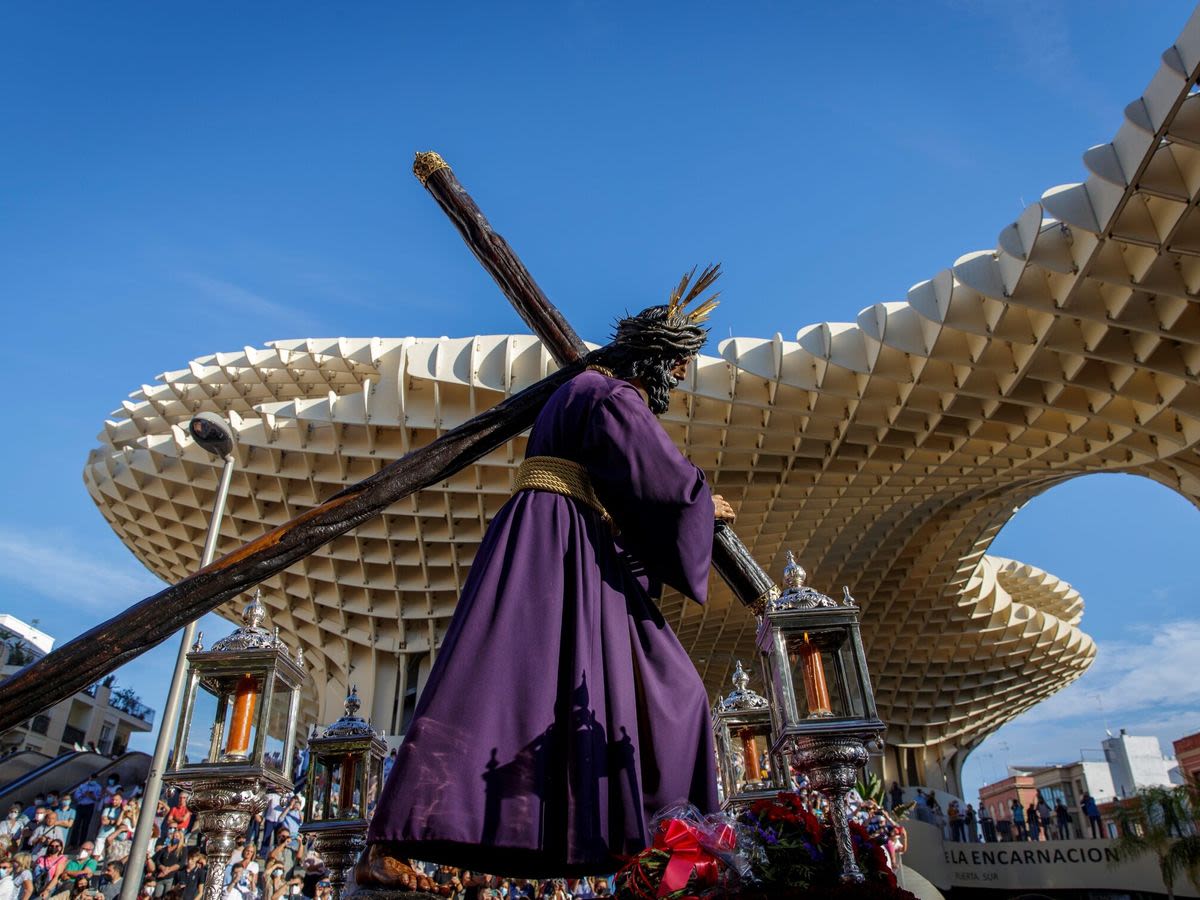
On a huge ornamental table with a velvet curtain hiding, its legs and the costaleros (people of the brotherhood that carry the paso) is a wooden statue placed, that either displays a Jesus from the Passion or a Maria. Usually, the Paso is made of wood and decorated with metals or worked incrately (see below).
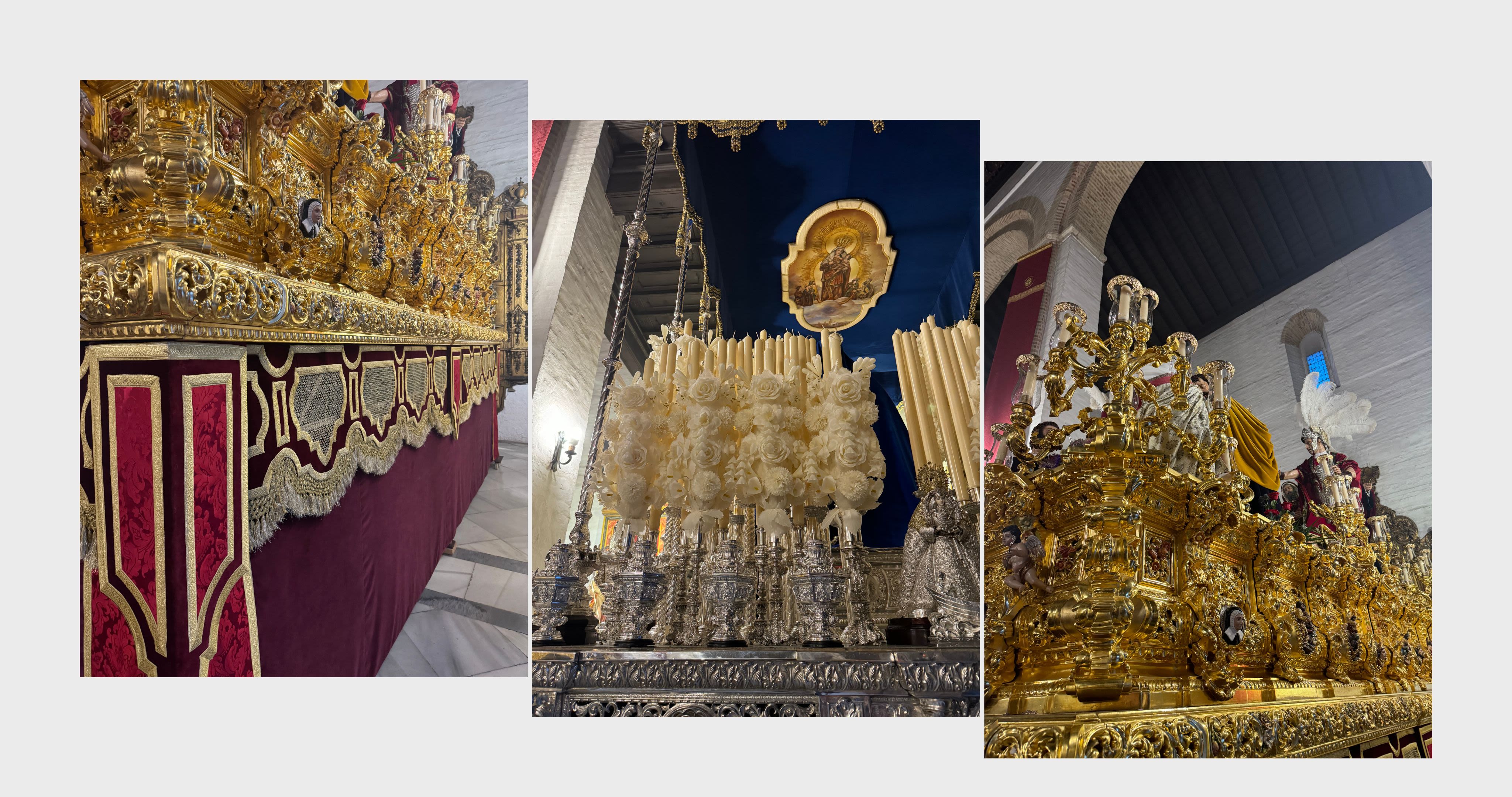
On top of the table there is first the Statue followed by flowers and candles. The Virgins Paso most of the times carries also a palio, which is a cover with Curtains on top of the Statue. The Jesus Paso is often without a cover.

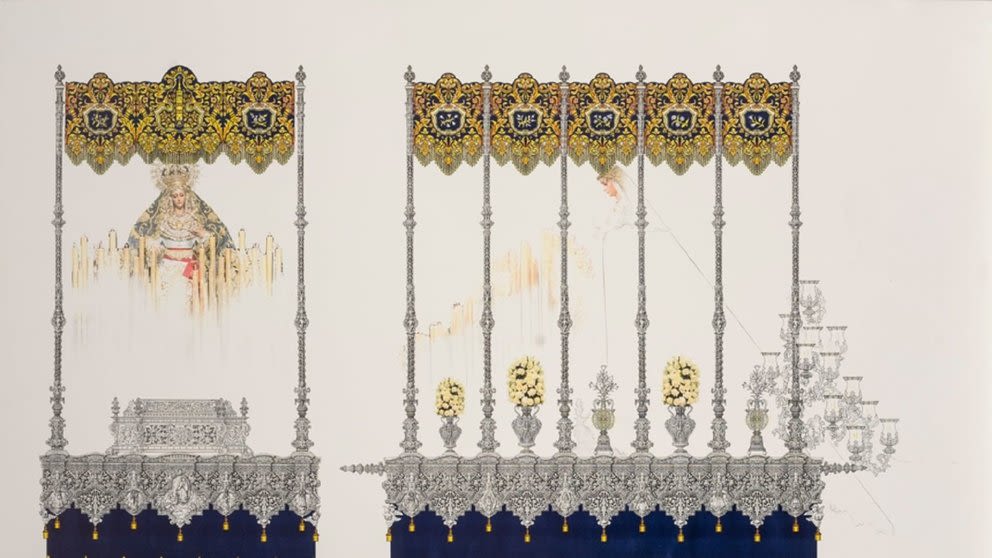
The Jesus is mostly displayed in a scene of the passion. The Virgin mostly in a very intense moment crying or suffering about Jesus (Virgen de los Dolores – Virgen de las Penas).

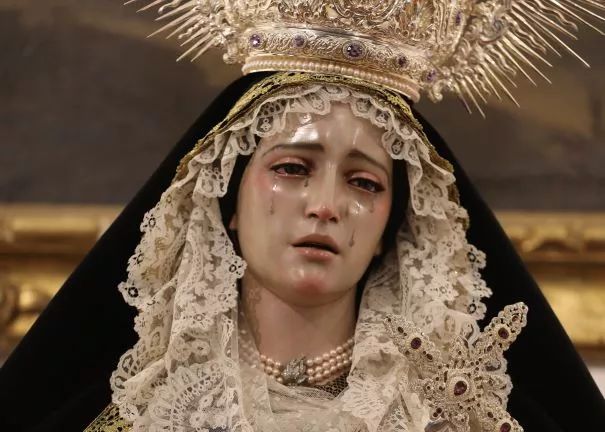
In the Video underneath, you can experience the emotions that sevillians feel, when seeing the procession. They are shouting: "Dolores guapa" (it means "you are beautiful, Virgen of pains").
There are some Cofradías with 1 or 3 Pasos. This depends on the amount of wooden statues a church (brotherhood) inherits.

Processions and their estimated time to watch from first Nazareno to last chaplan
Processions
As stated above Processions consitst out of certain aspects that change between Cofradías. But what is the real time to watch a Procession fully pass by standing on one point? To see the first Nazareno till the titular chaplan in processional vestments closing the parade.

What are the most important things to know about cofradías? And what are the most famous processions?





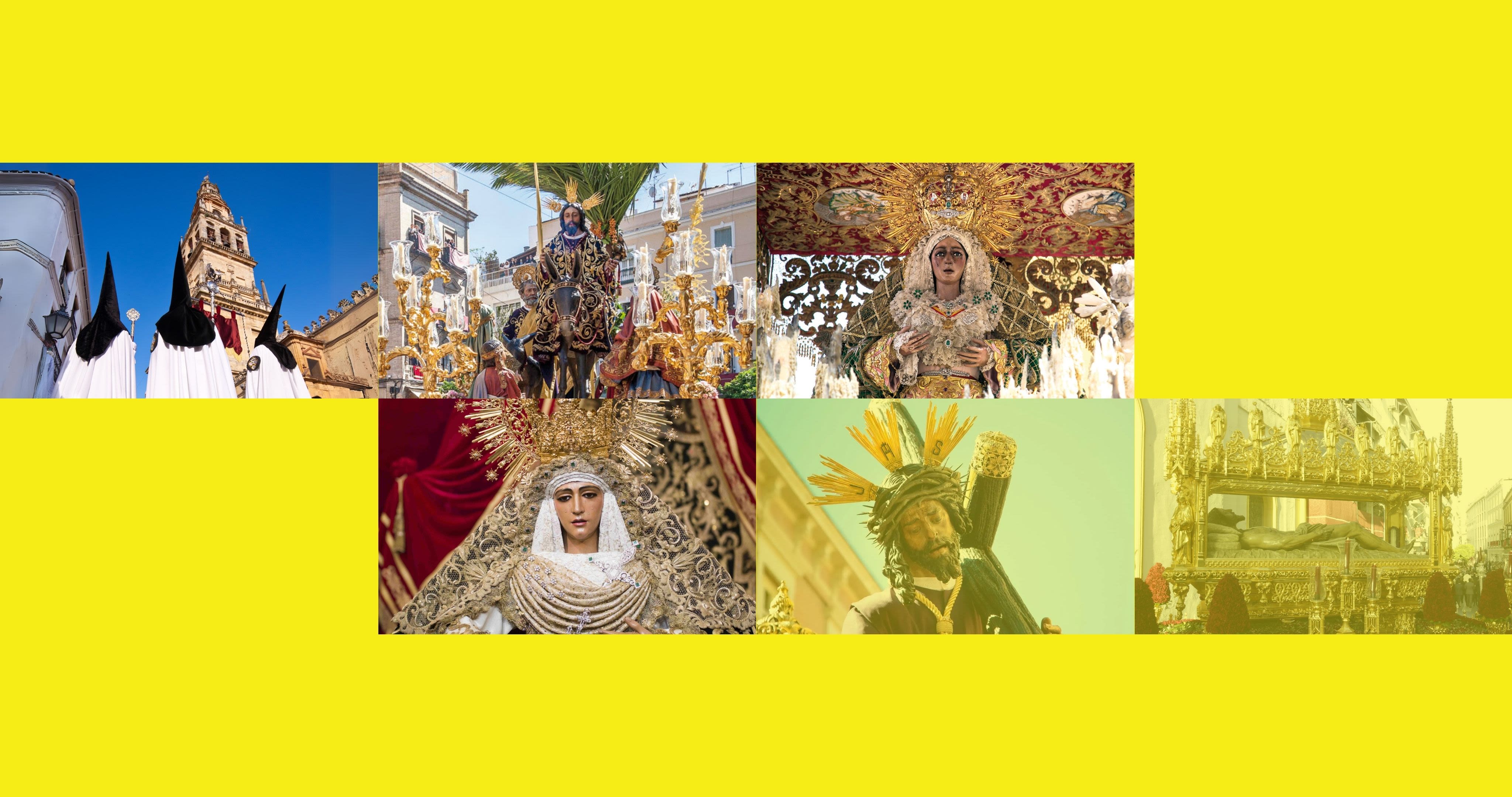

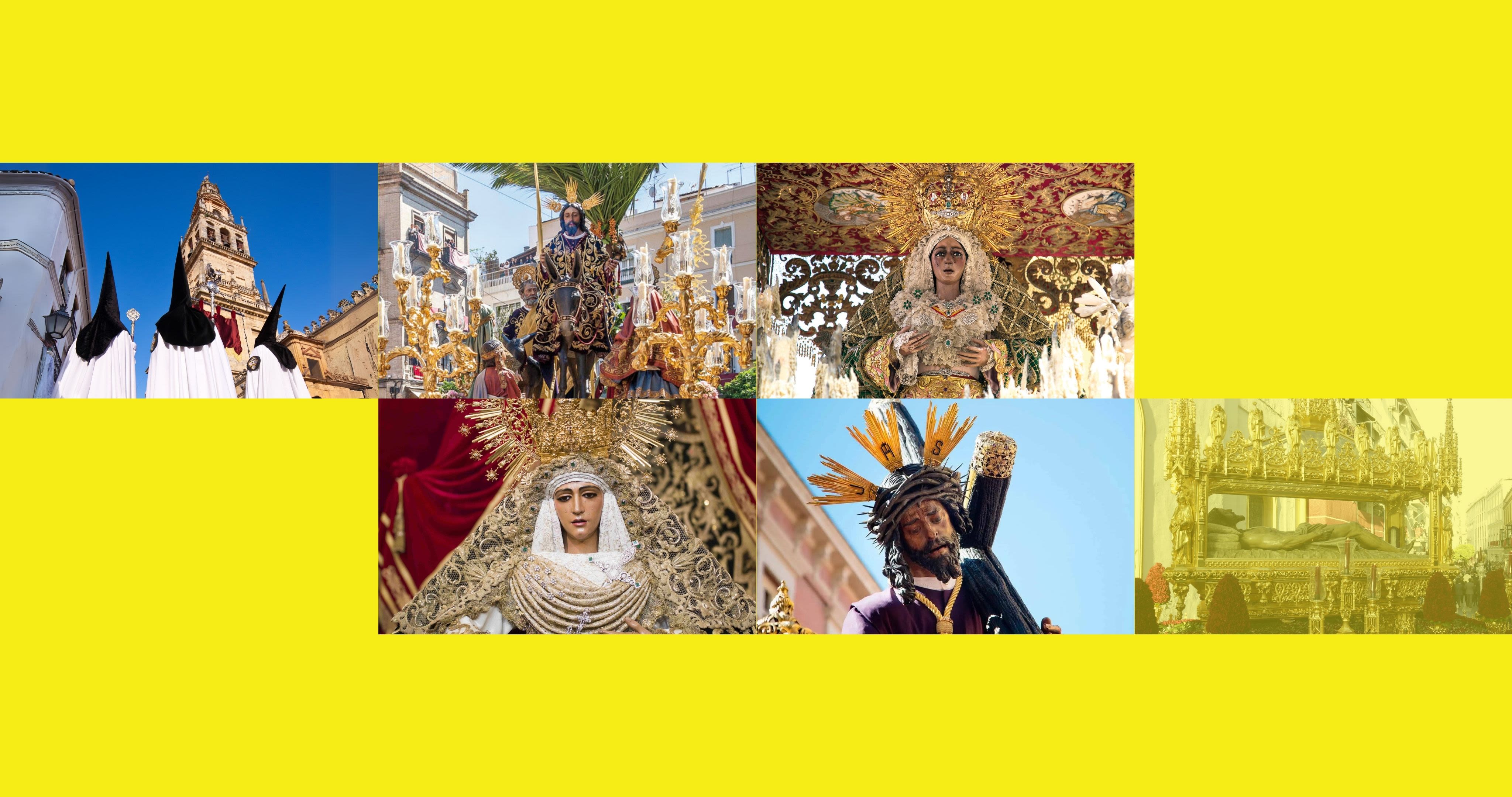

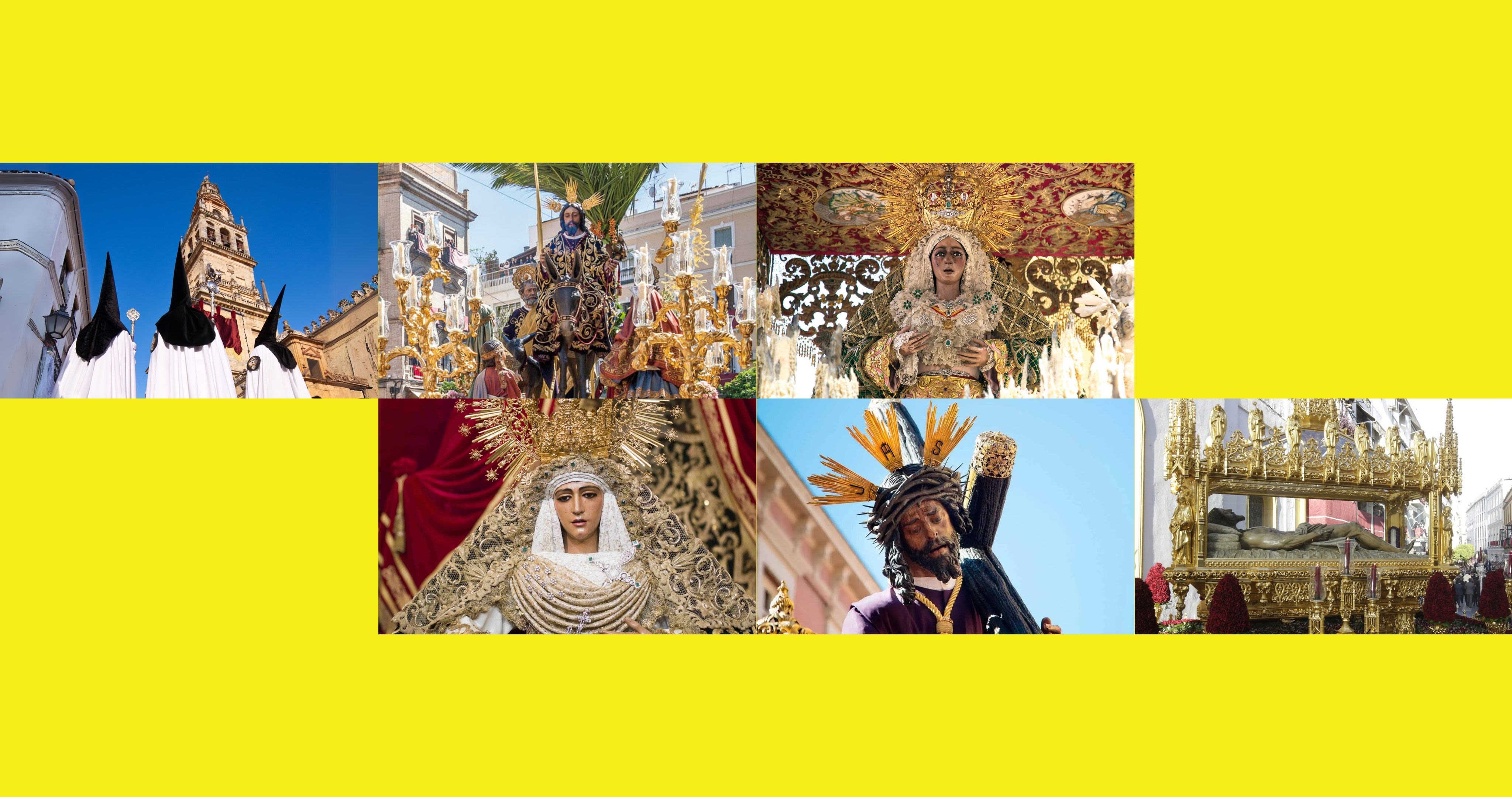
Cofradías
The main aspect of Semana Santa are Cofradias, these brotherhoods plan and prepare for the week leading to easter. They were formed at the beginning of the 16th century and were provided with certain regulations by the Council of Trent to ensure that they follow true Catholic doctrines.
There are three different types of Cofradías:
- Penitenciales (They are the only ones participating in Semana Santa)
- De Gloria
- Sacramentales
The Penitenciales are initially founded to bring the spirit of the church to people of the street.
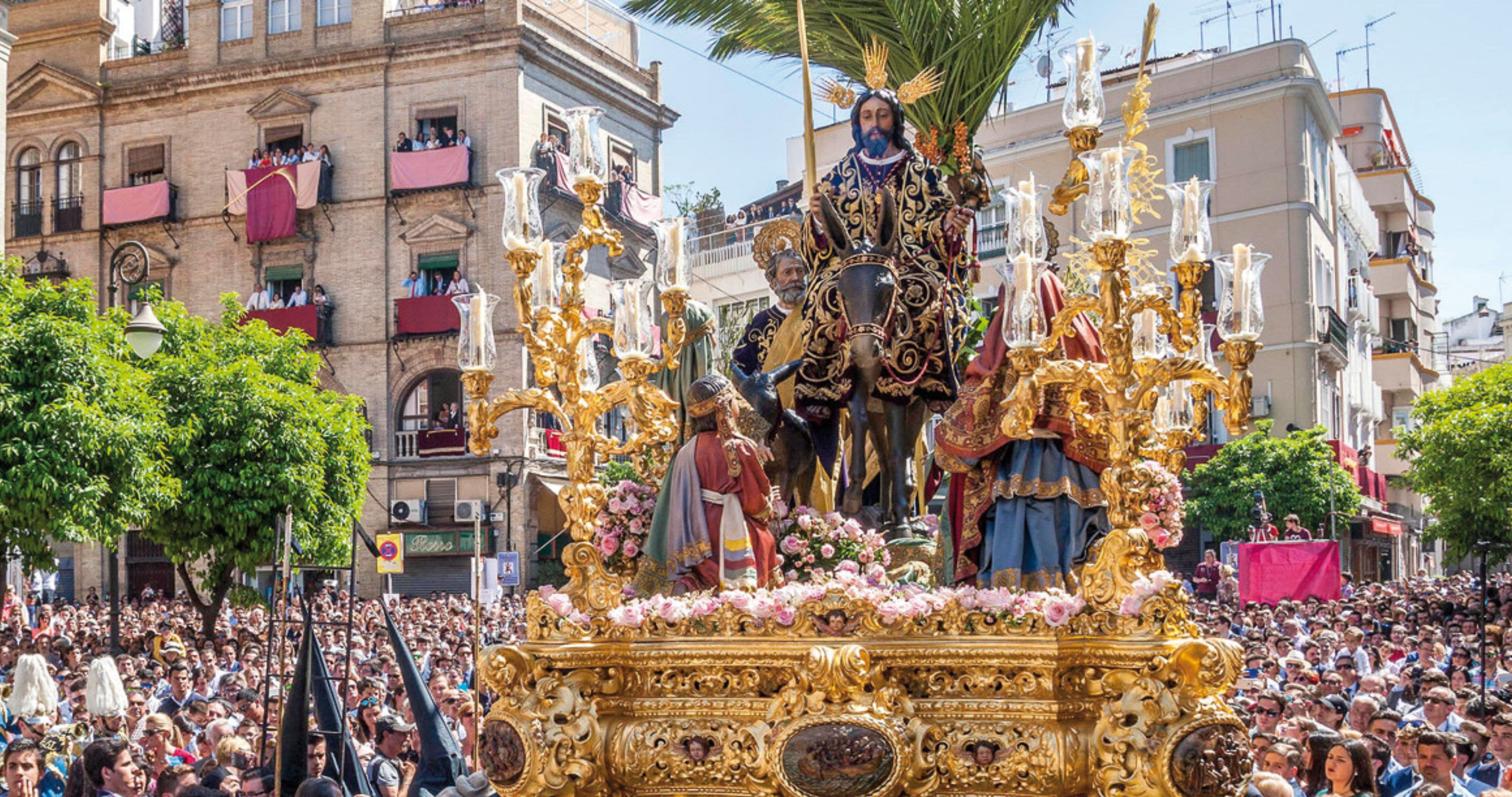
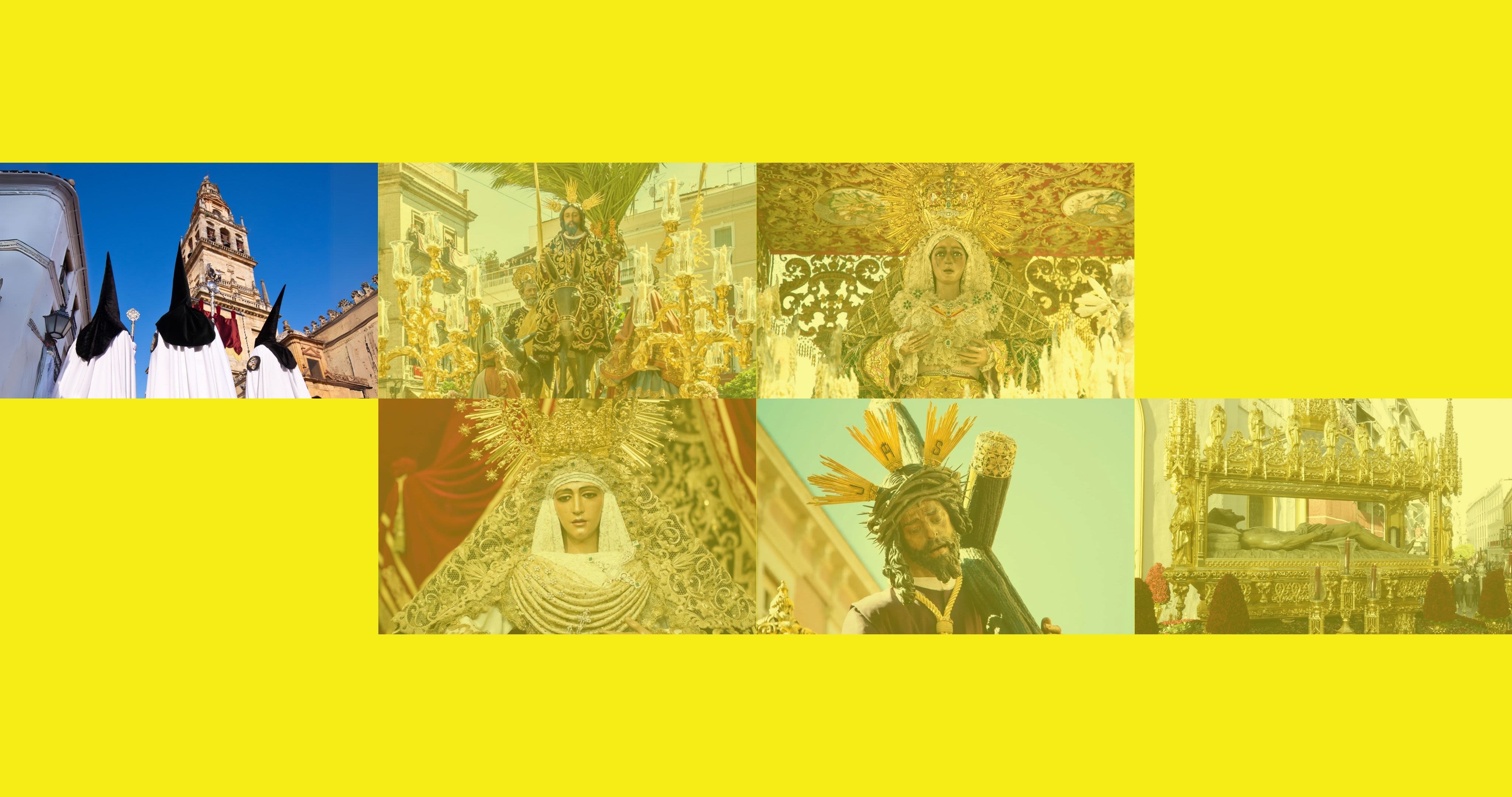
La Borriquita
Represents the brotherhood, that opens Semana Santa. With their Jesus riding a donkey into Jerusalem. It’s also famous for its Palm trees.
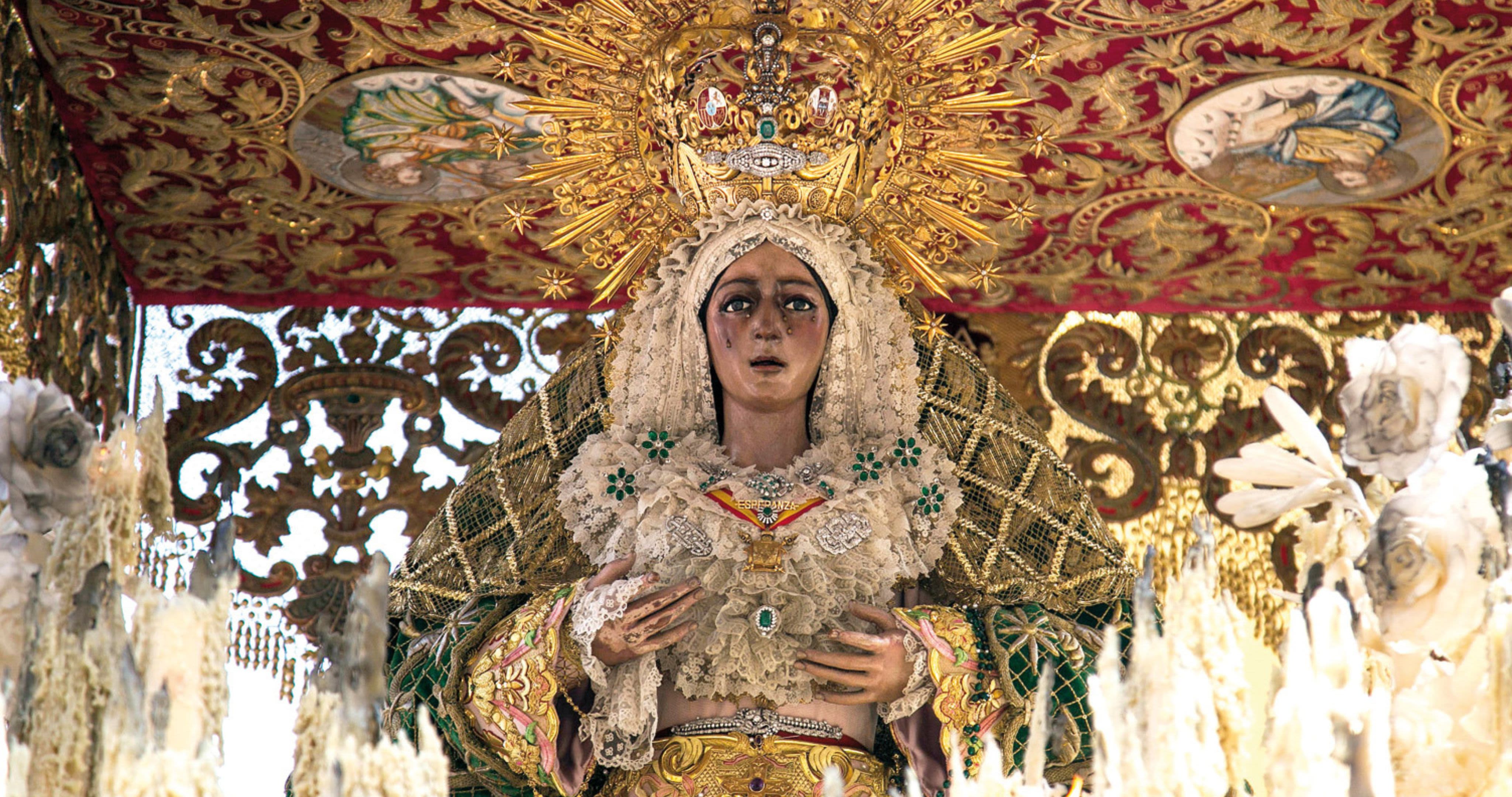
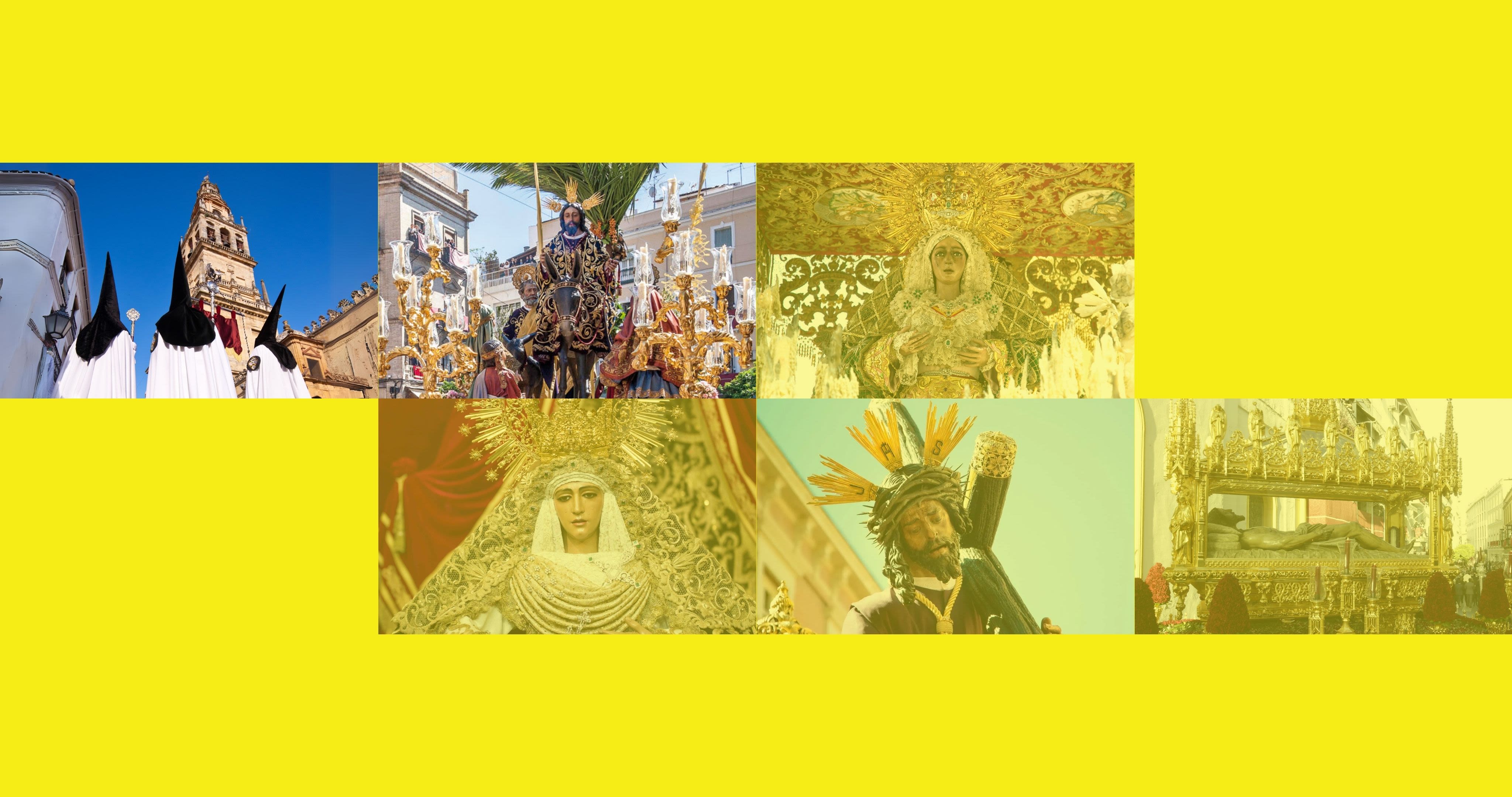
La Macarena
Is one of the most important brotherhoods in the city, and with it its wooden display of the Virgin Maria de la Esperanza (of Hope). Its one of the most beautiful Marias that the city withholds.

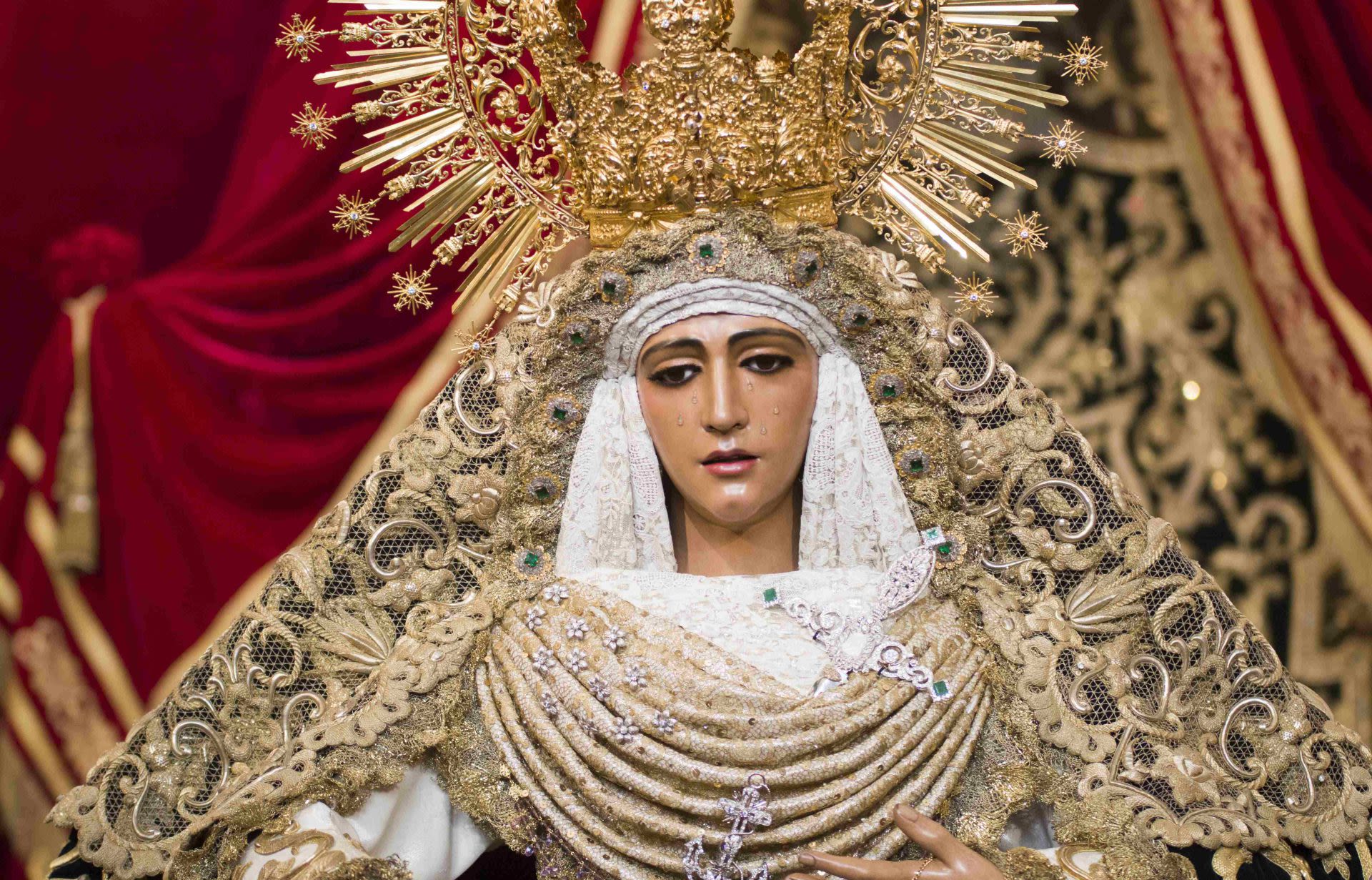
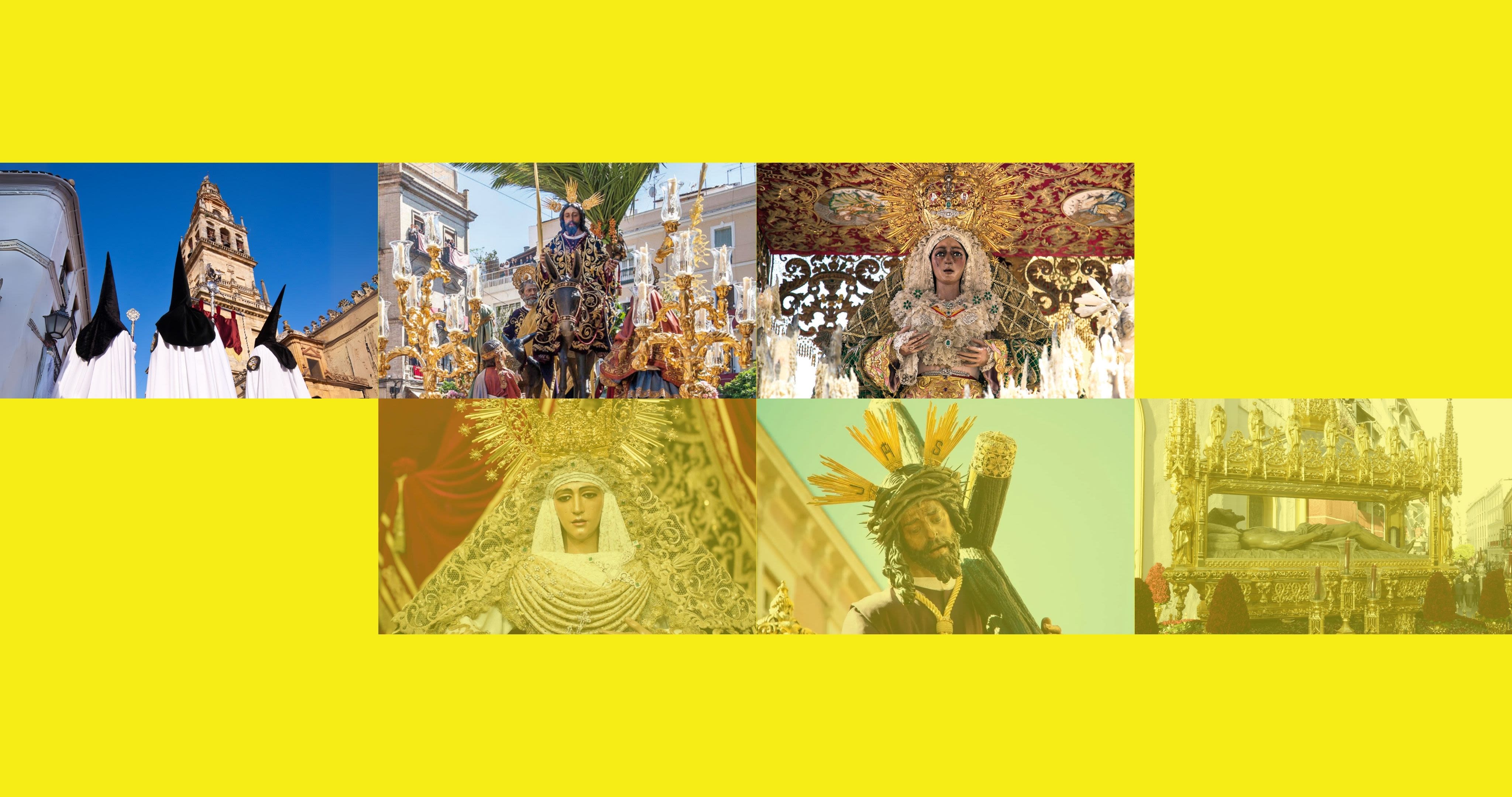
La Esperanza de Triana
Is the other Virgen that city stands for. With her very visual tears and the processions leading over the Triana Bridge it´s famous for its golden gown.
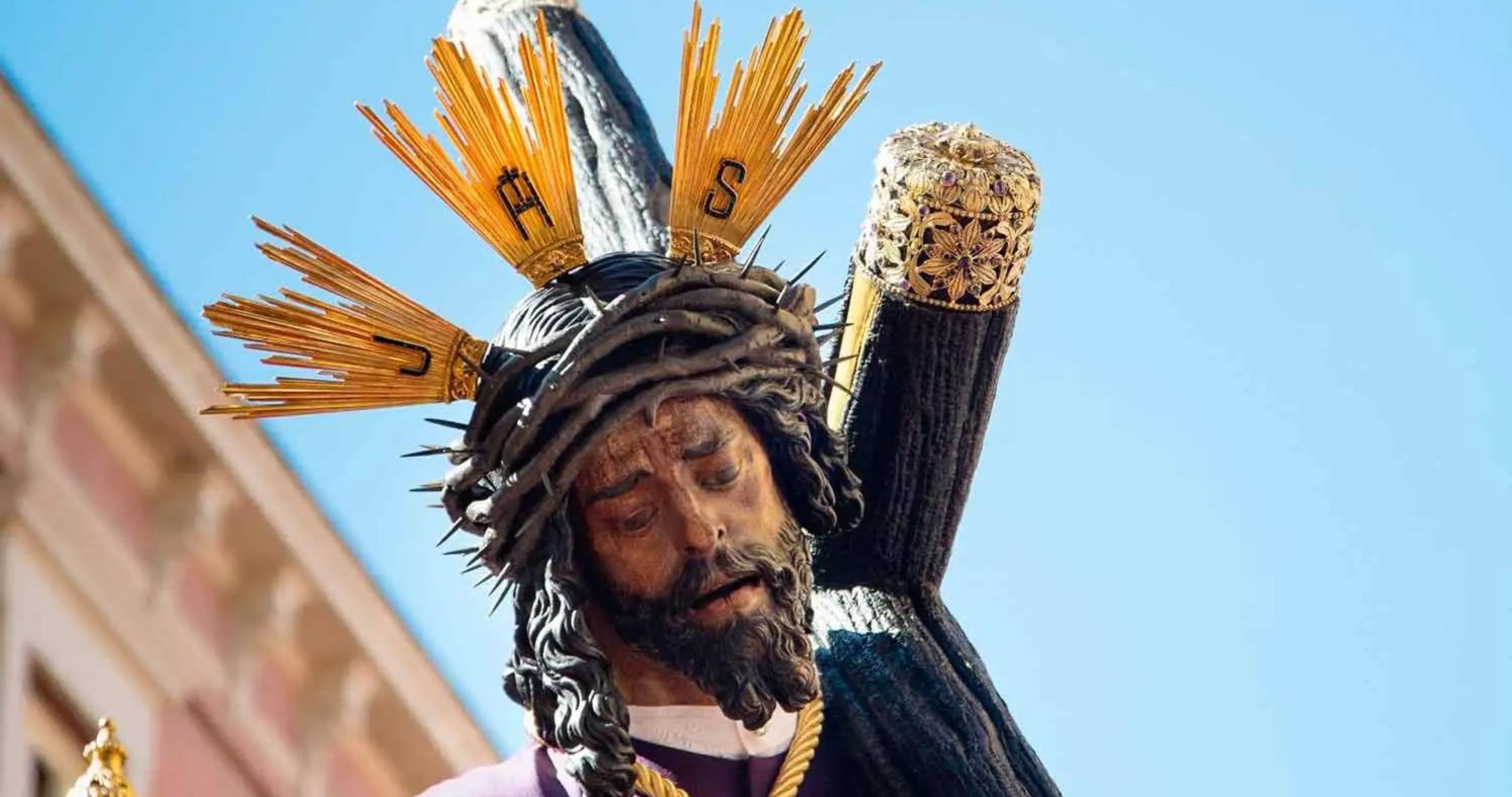
Gran Poder
Is one of the Brotherhoods that focus mostly on the display of Jesus carrying a cross. Its also known as the “Señor de Sevilla” (Lord of Sevilla).
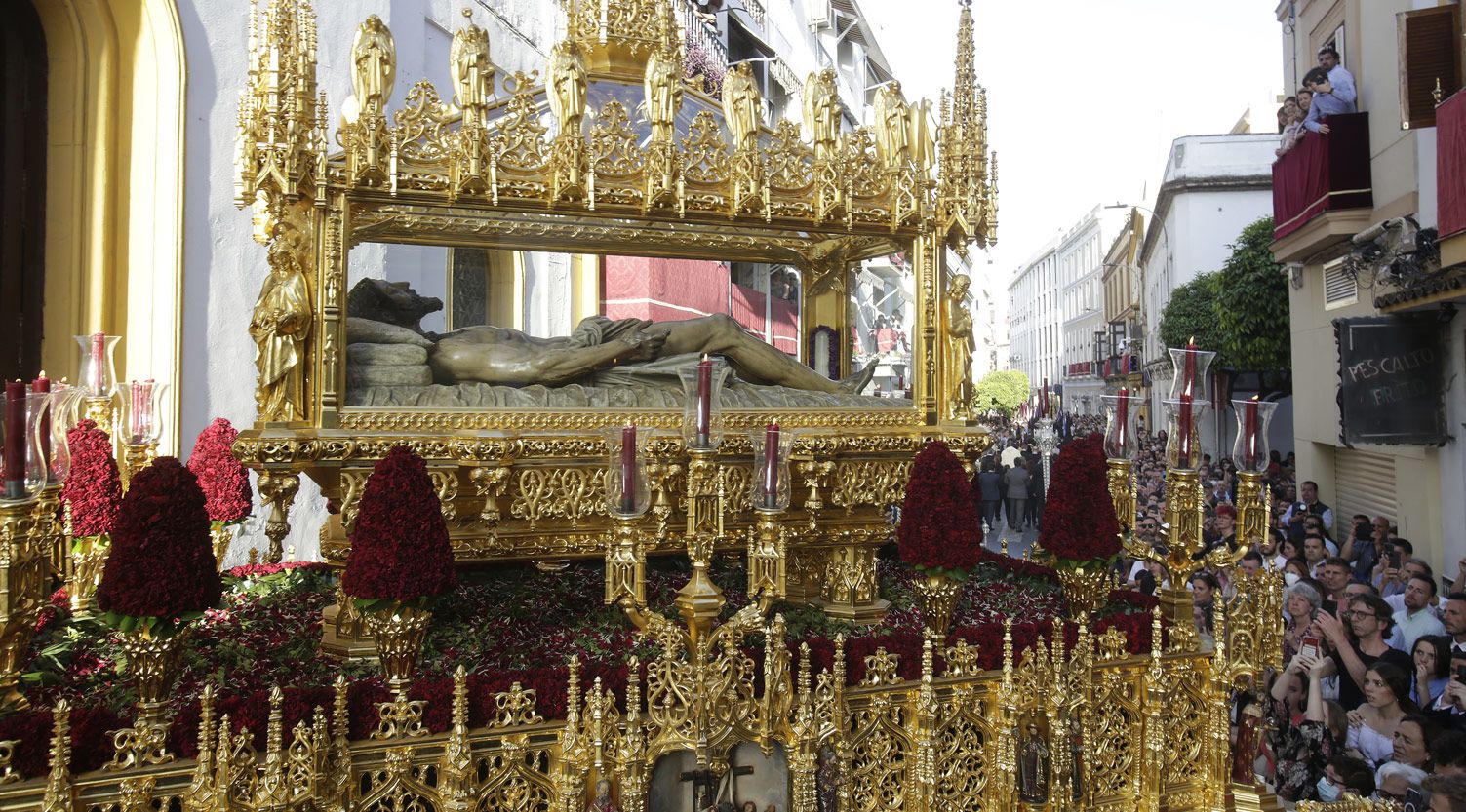
El Santo Entierro
This brotherhood displays a statue of Jesus laying in a tomb. It is the only display of Jesus in a tomb in Seville.
You almost reached the end of this story, because we are half way through. But understanding the story behind Semana Santa in Seville is still unrevealed...

What is the history behind Sevillian Semana Santa?
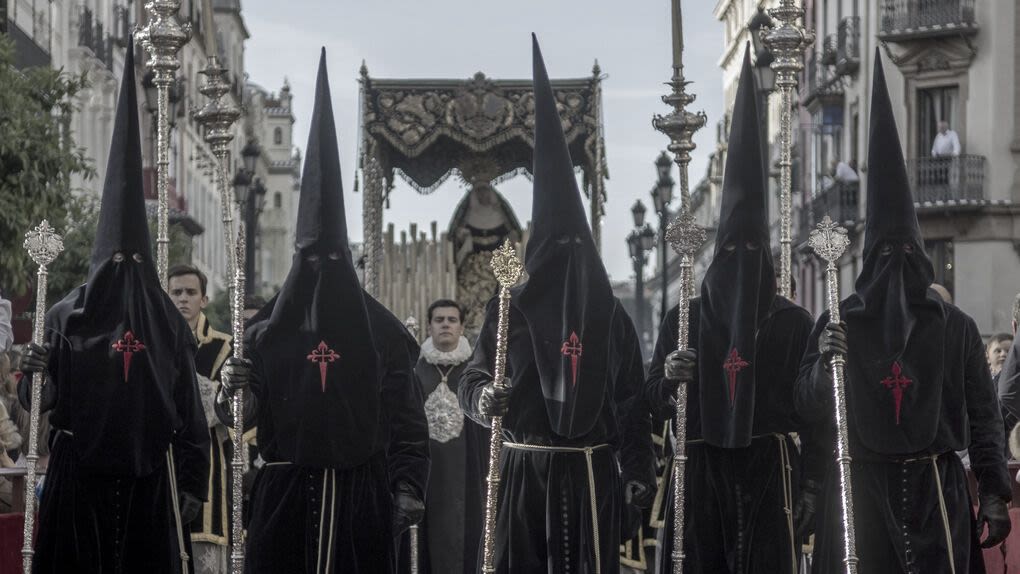
The beginnings of Semana Santa started with the Spanish Catholicism. The Christs Passion is the main root of this spectacle, every easter.
Beginning with monks, that whipped themselves into a bloodied frenzy to what is displayed on modern streets now took a long way. The practice of suffering to free the spirit and atone for sins was widespread among the monastic order. Later brotherhoods were formed, to create processions on the street. Franciscan monks took them to the streets of Seville, to flagellate themselves in penance. The cult of the “way of the cross” was imported by crusaders returning from the Holy Land (Jerusalem), this was enshrines by the Marques of Tarifa on his return from Jerusalem. From then processions during Semana Santa are a standard practice in the church. The first brotherhood in Seville was formed by monks in 1448 and is called “Santa Vera de la Cruz”. These were approaches to re-catholize the towns after being occupied by muslims. The “modern” Cofradía consisted out of common people, later the church formed rules to control the brotherhoods and keep them in an catholic and not a carnivaliac parade.
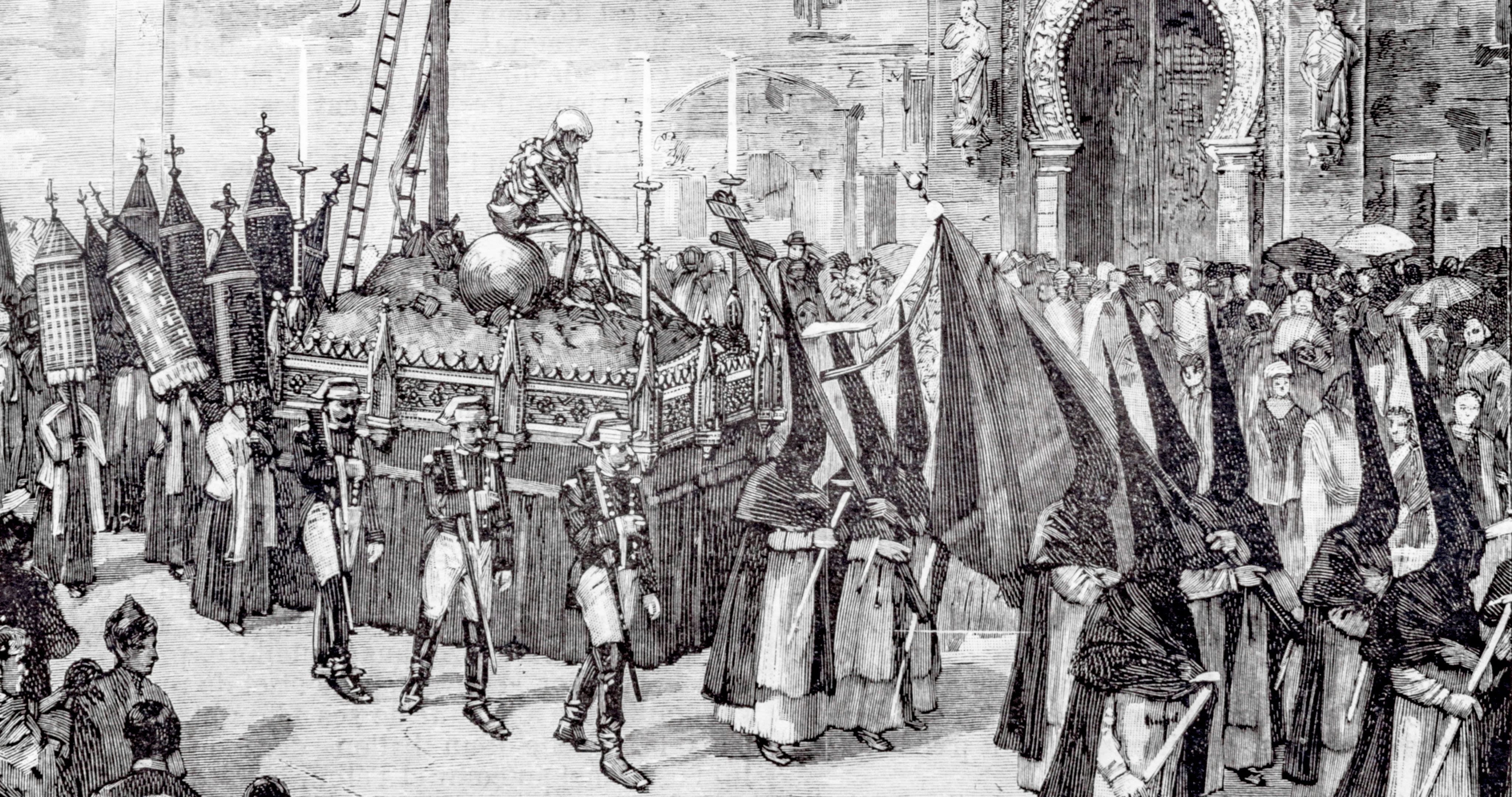
Not KKK - Tradition!

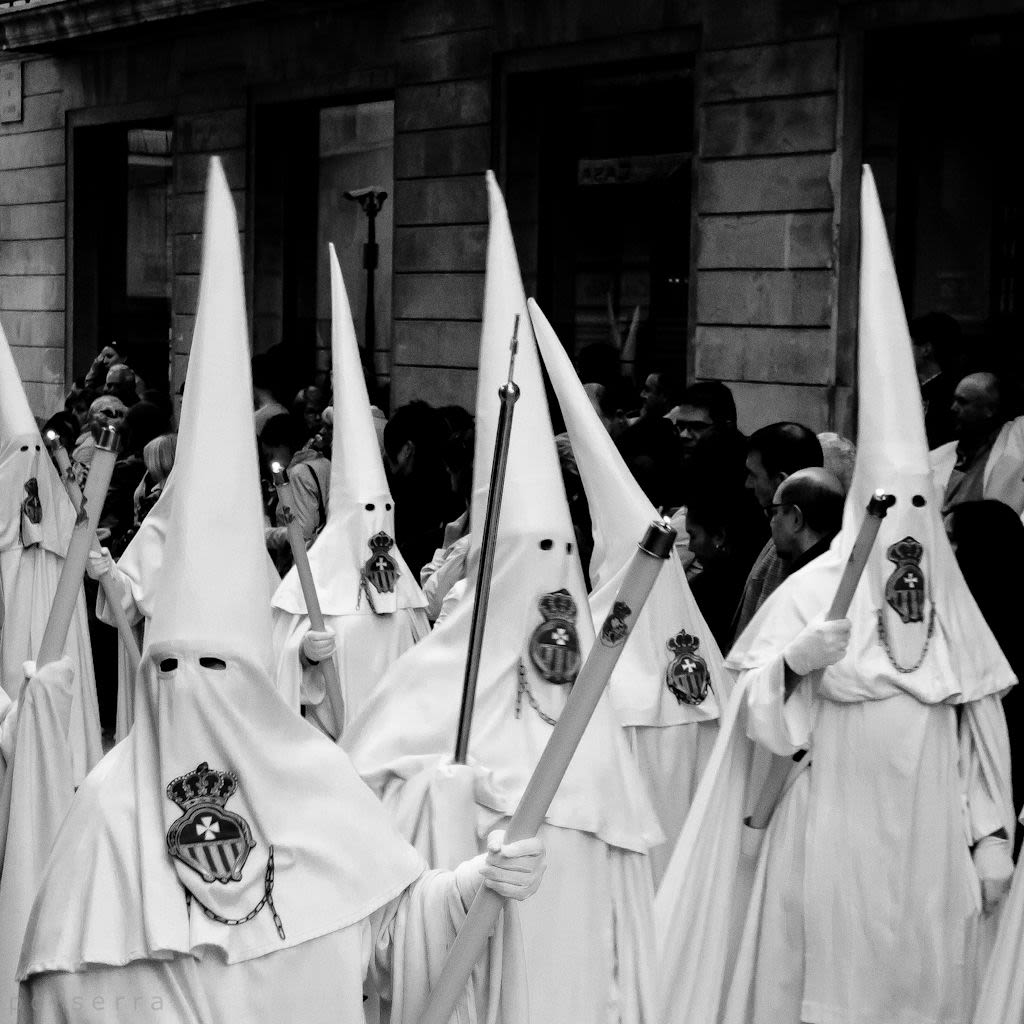
Nazarenos
o nazoreanos; griego: Ναζωραῖοι, Nazōraioi

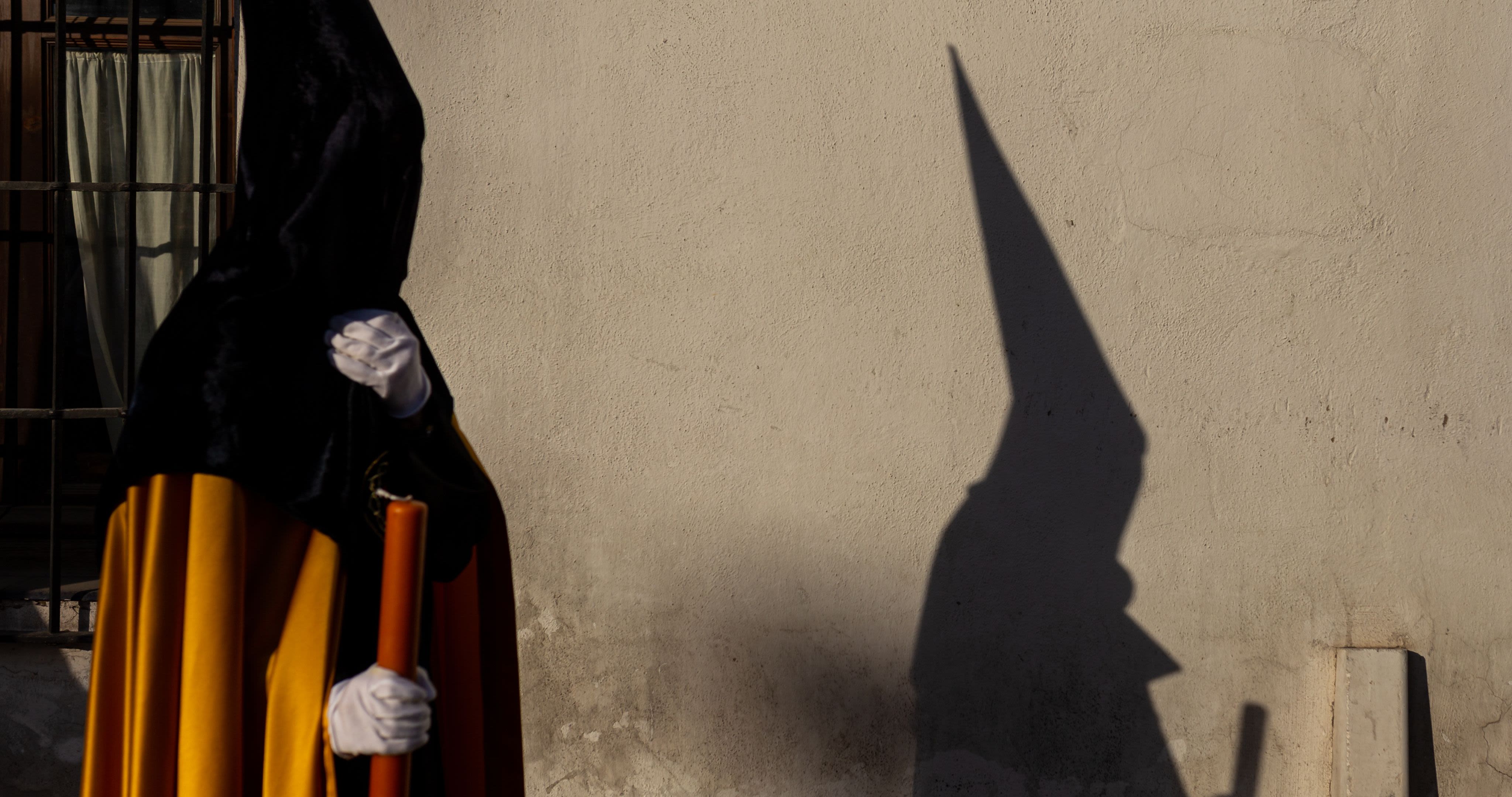

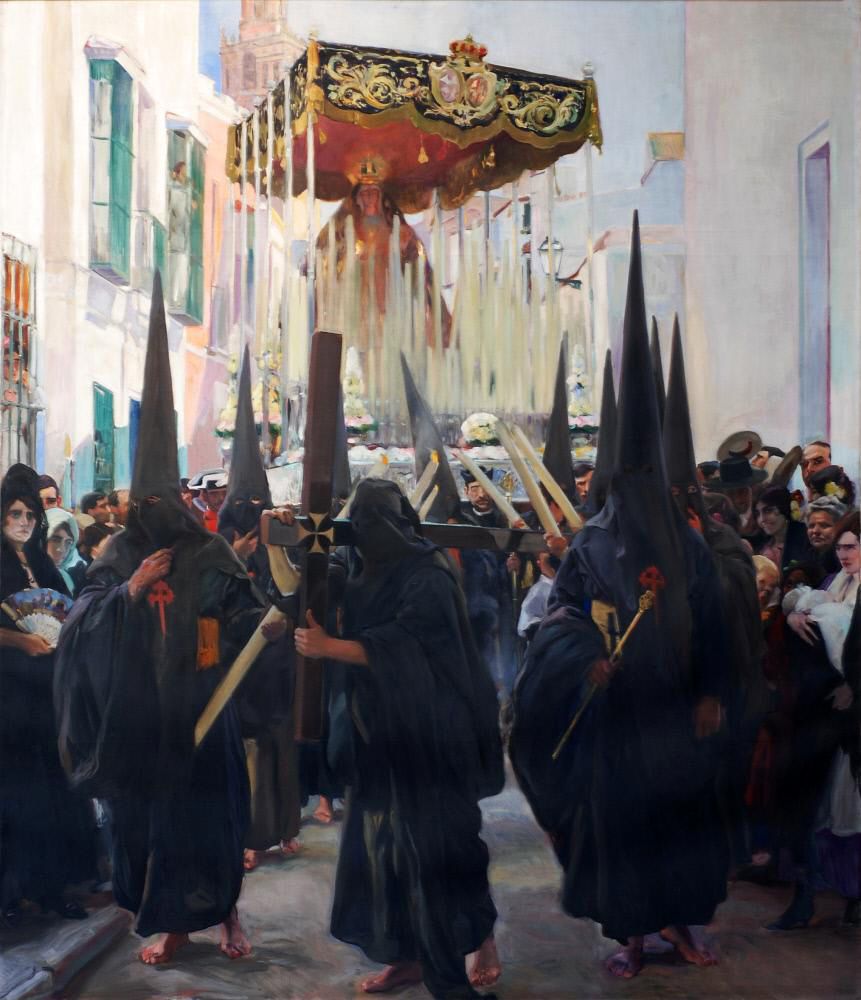
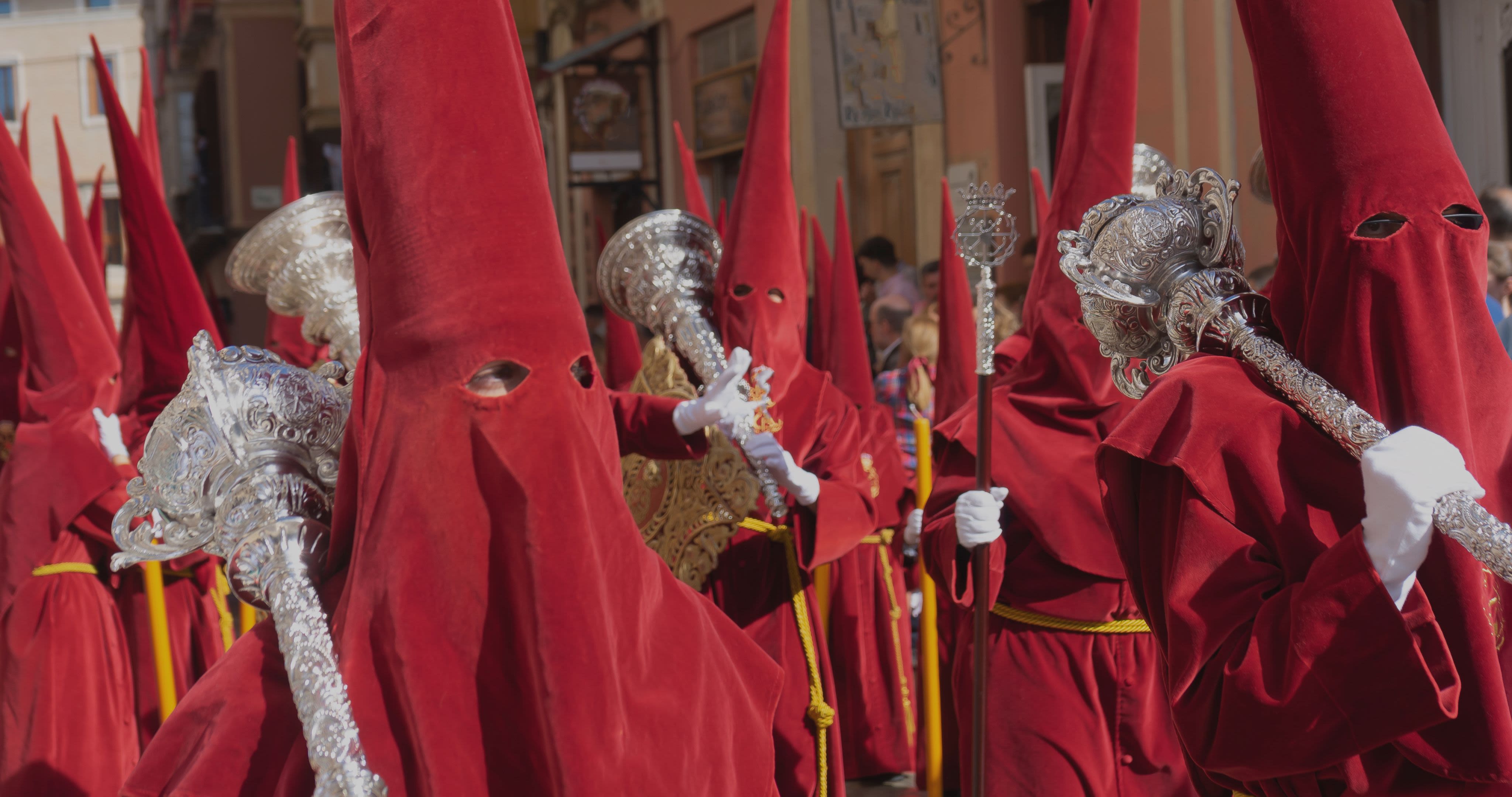
Which Cofradia has the most Nazarenos?
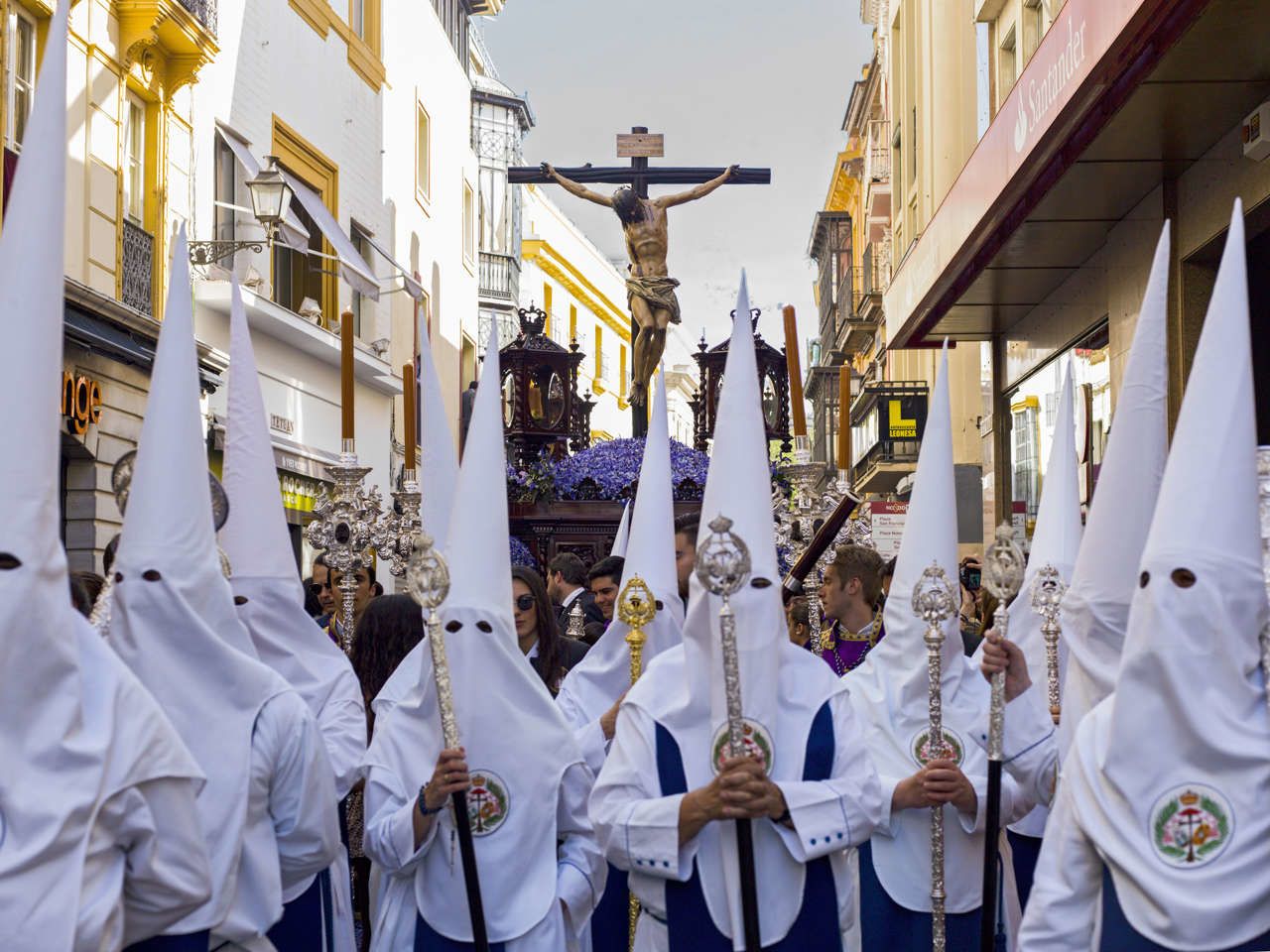
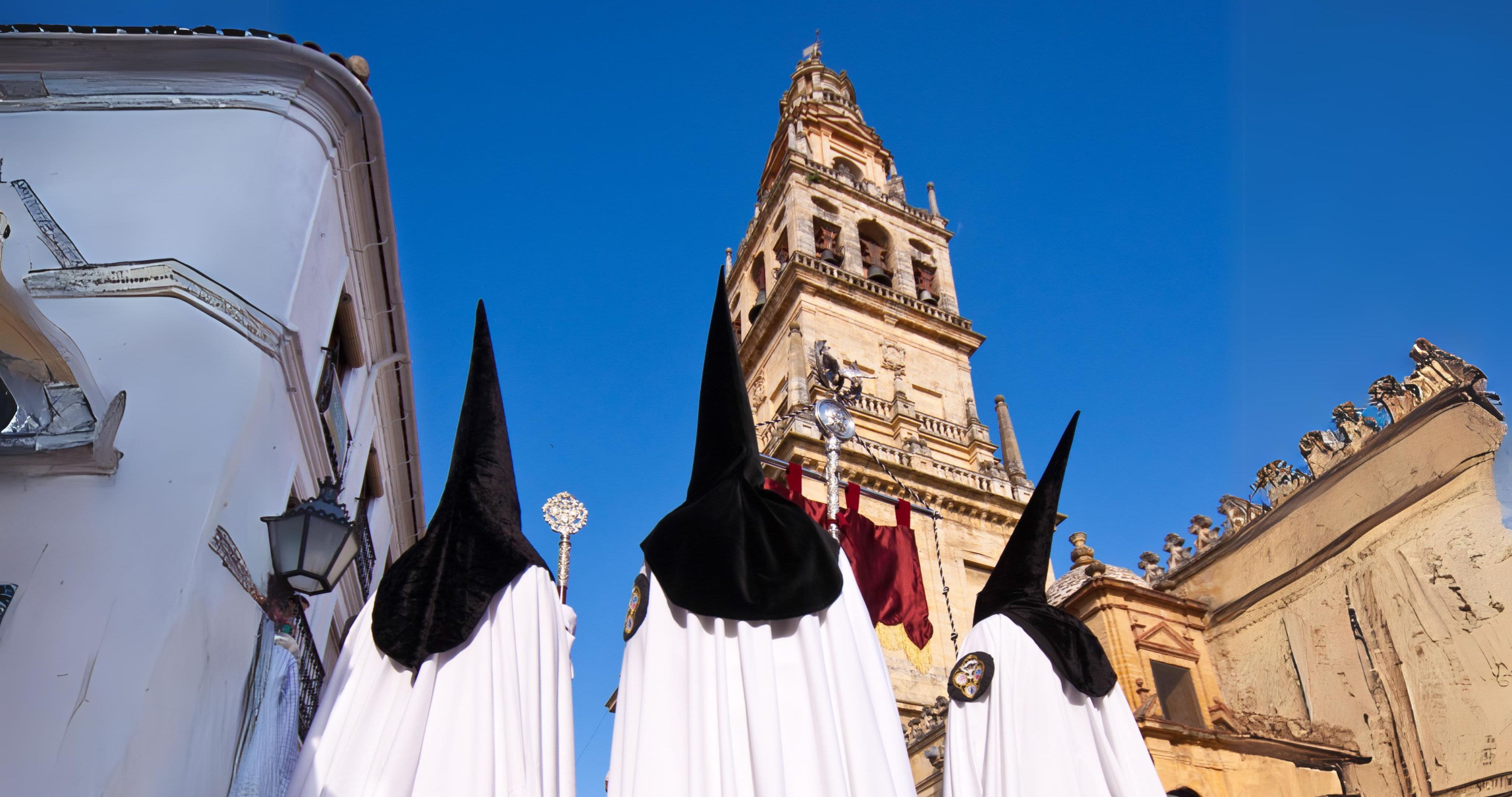
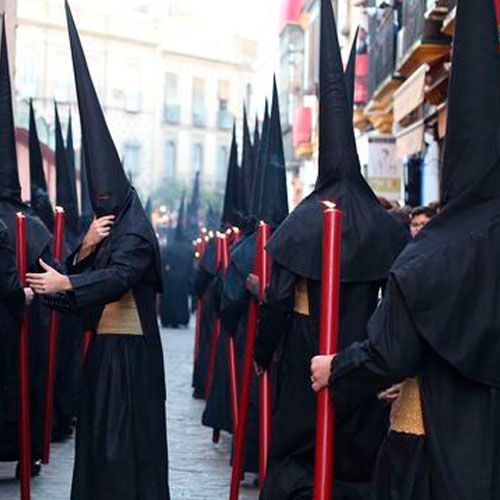
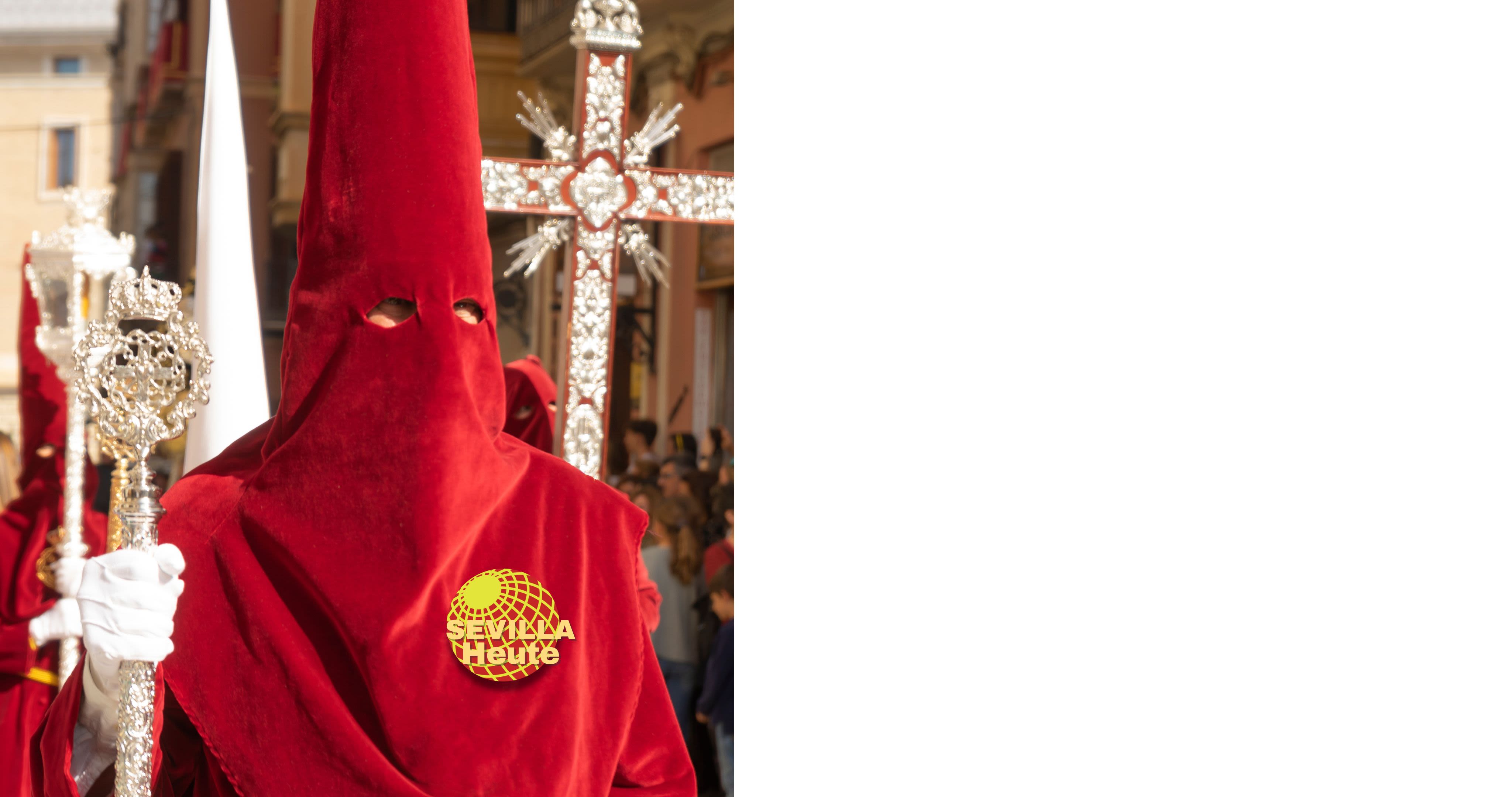
Nazarenos are also known as “Penitentes”. They wear a tunica and a cone shaped head (capirote) that stands for the symbol of rising towards the heavens and therefore bringing the catholic believer underneath the dress closer to heaven.
Nazarenos in Sevillian Brotherhoods
The most Nazarenos are registered in the Brotherhood Macarena, it has a total of 3,900 Nazarenos and is therefore the biggest Cofradía.
The brotherhood Gran Poder inherits 2,700 Nazarenos as well as the brotherhood La Esperanza de Triana, they are both holding the second biggest Cofradía.

It's almost time to call yourself Capillita!
Nazarenos: What's their meaning, colours, and structure?
What is the meaning of the Nazareno dress?
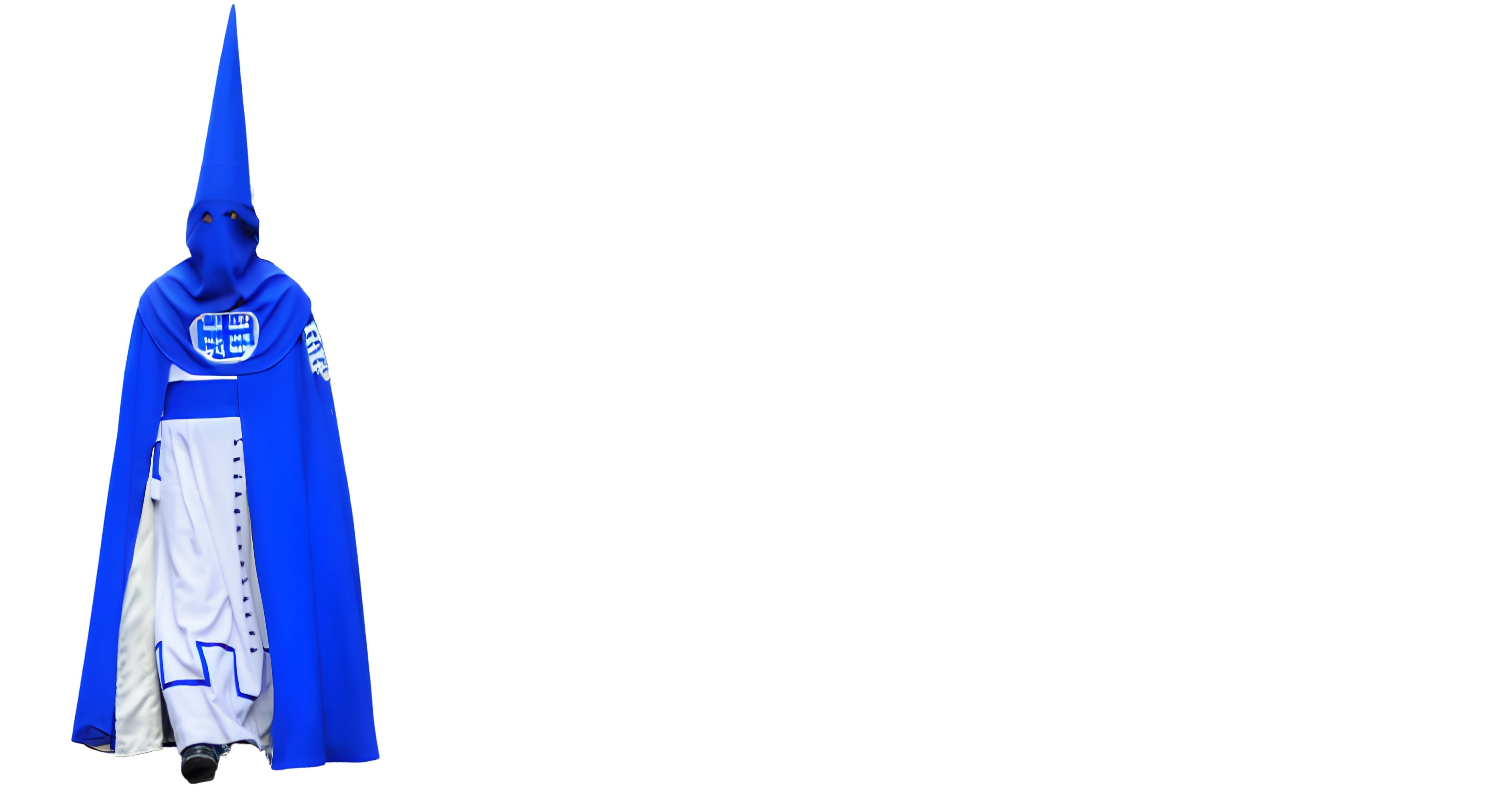
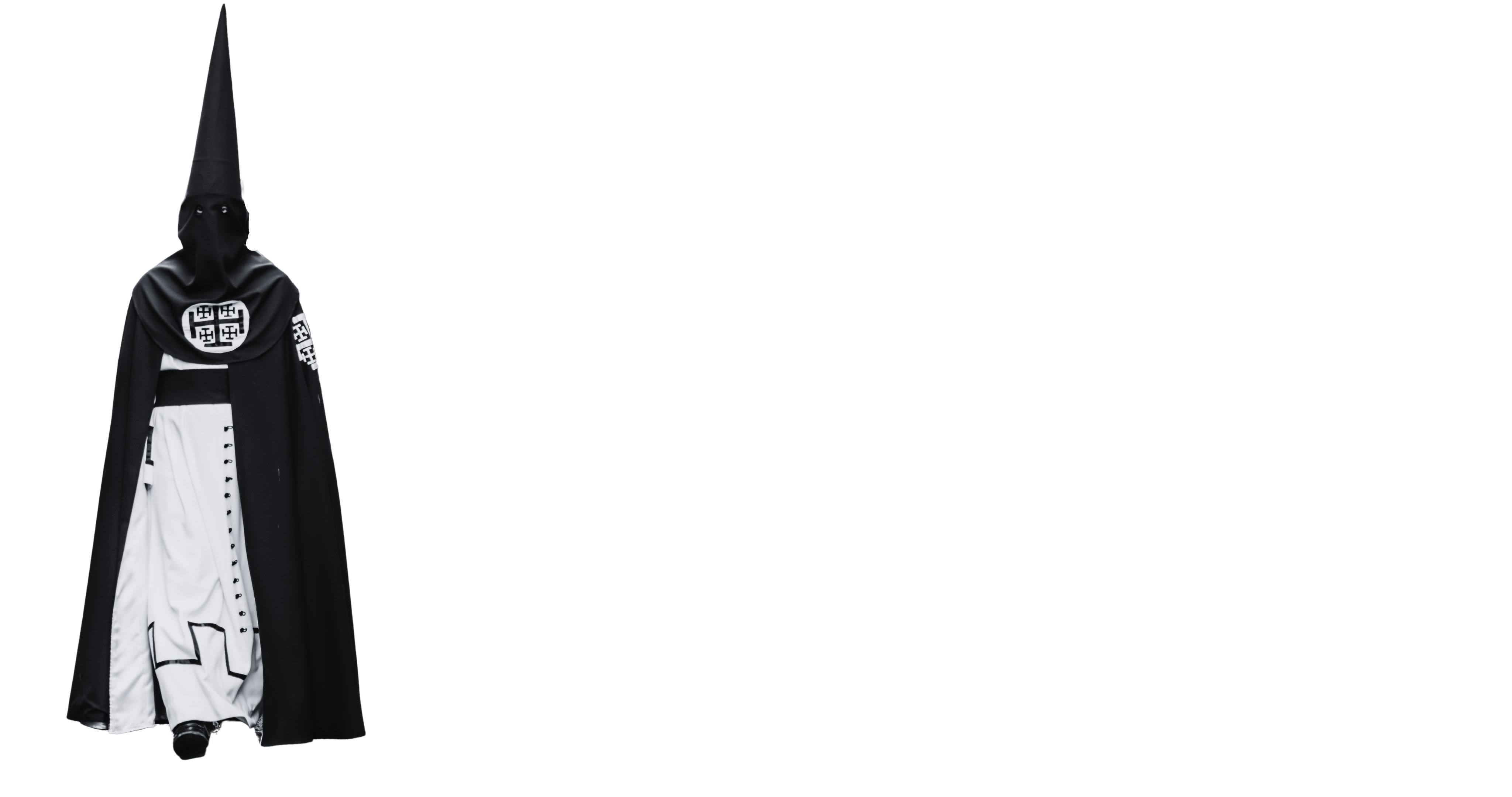
The tunica is supposed to create a connection to Jesus. As he wore a tunica during his last week on Earth. The Mask is used to create anonymity. The capirote (cone hat) occurs from the inquisition, as in the past sinners were forced to wear a big hat over their head with an image of their sins.

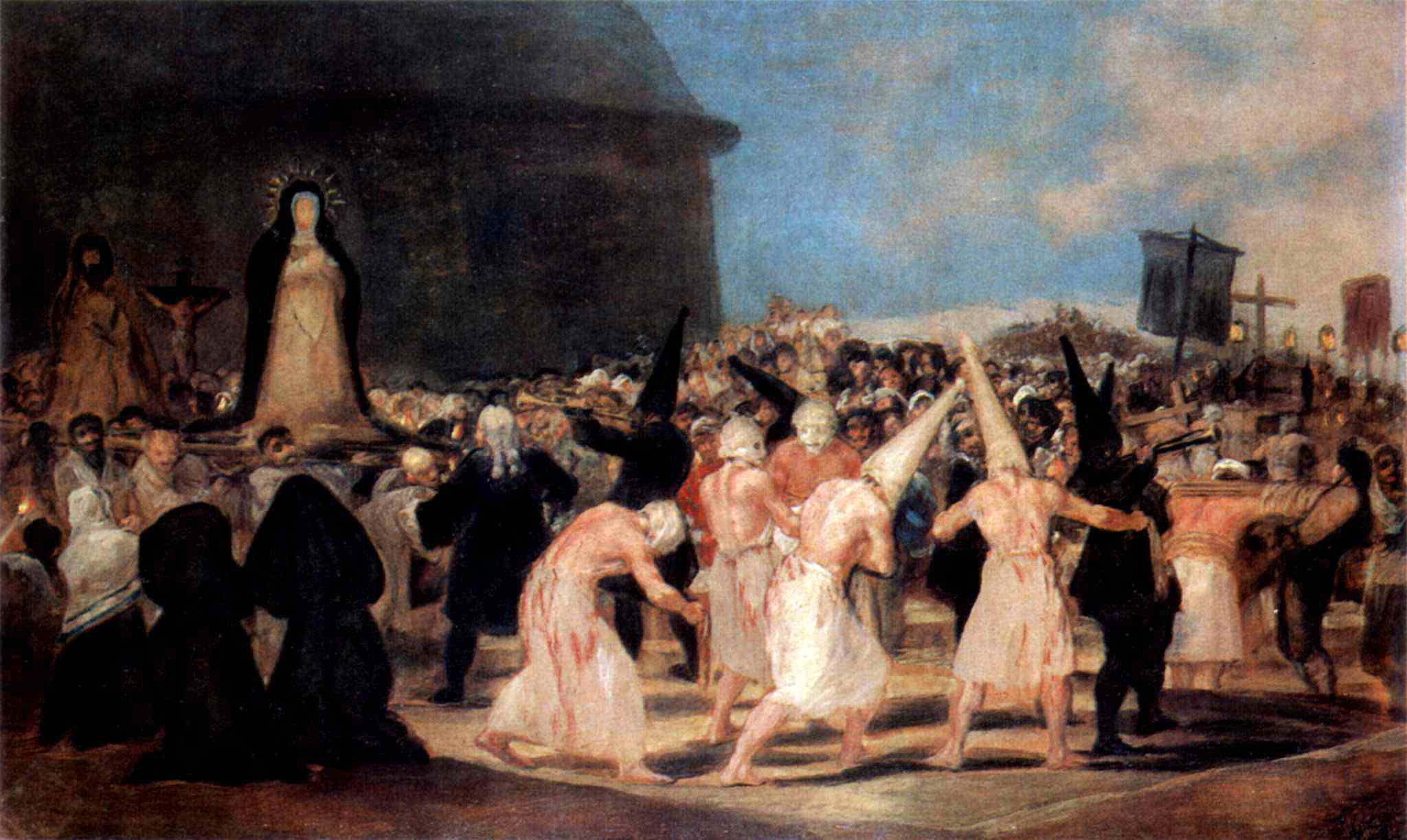
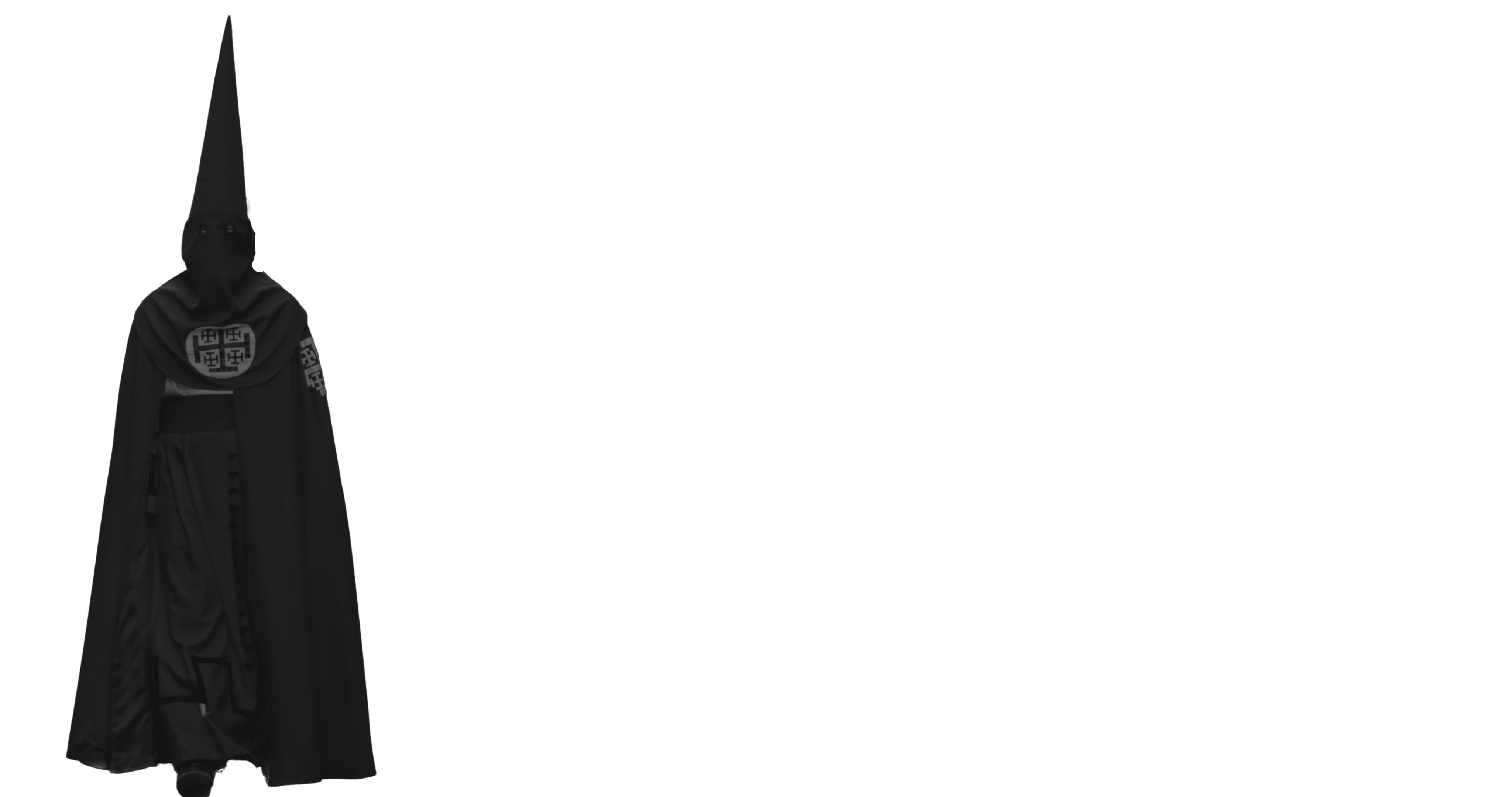
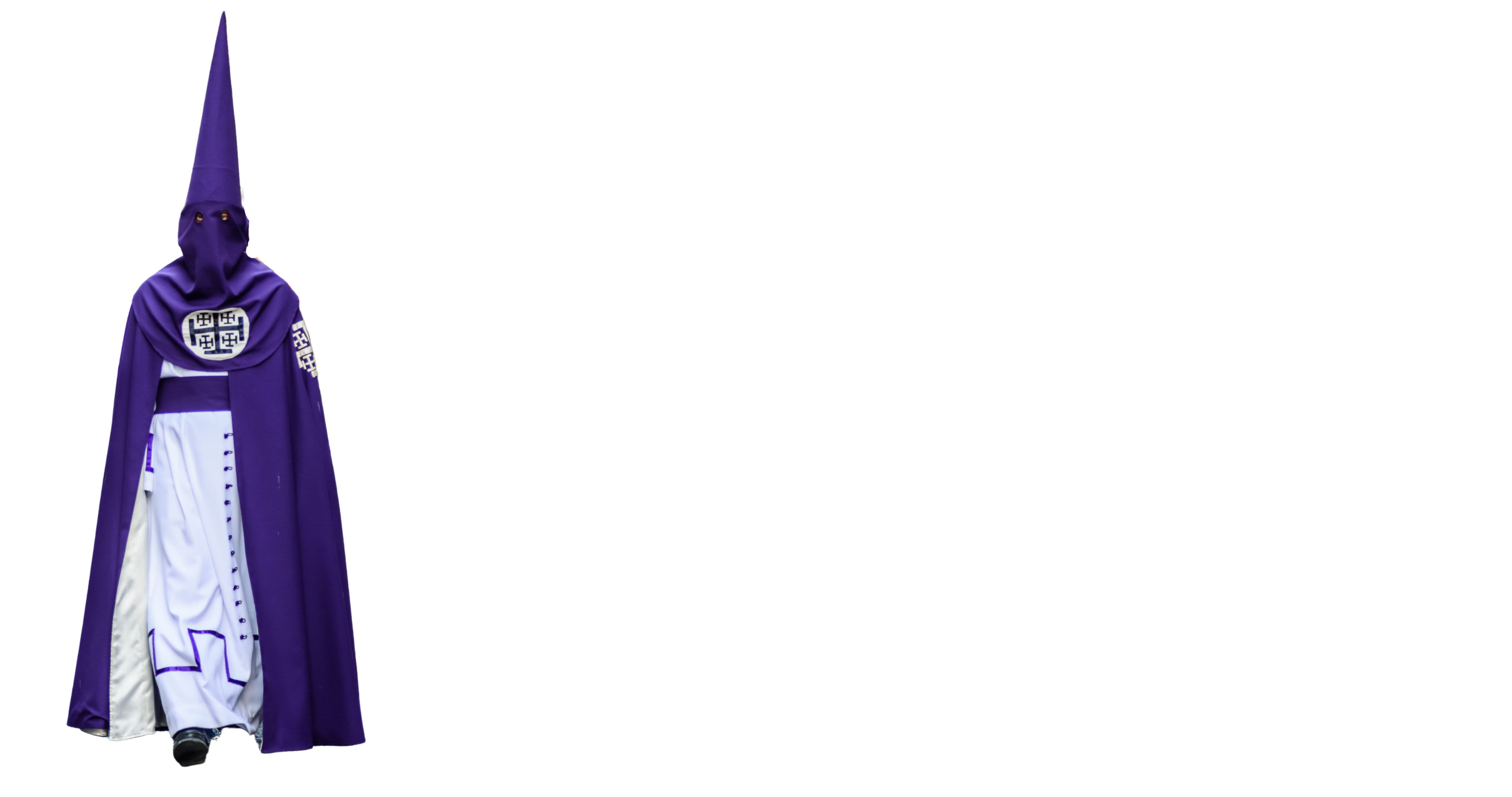
The Symbolic behind the colours of the tunica and the color of the cone hat differ depending on the Cofrade they are part of.
The colours of the Nazarenos are divided into green, blue, black, white, red and purple.
🟢 Green represents hope.
🔵 Blue stands for charity.
⚫ Black represents grief.
⚪ White stands for pureness.
🔴 Red represents love and the blood of Jesus.
🟣 Purple stands for repentance and vigil.
The structure of the Nazareno dress
The Dress consists out of three main parts. First the tunica, second the Belt and third the Mask with an attached cone hat.

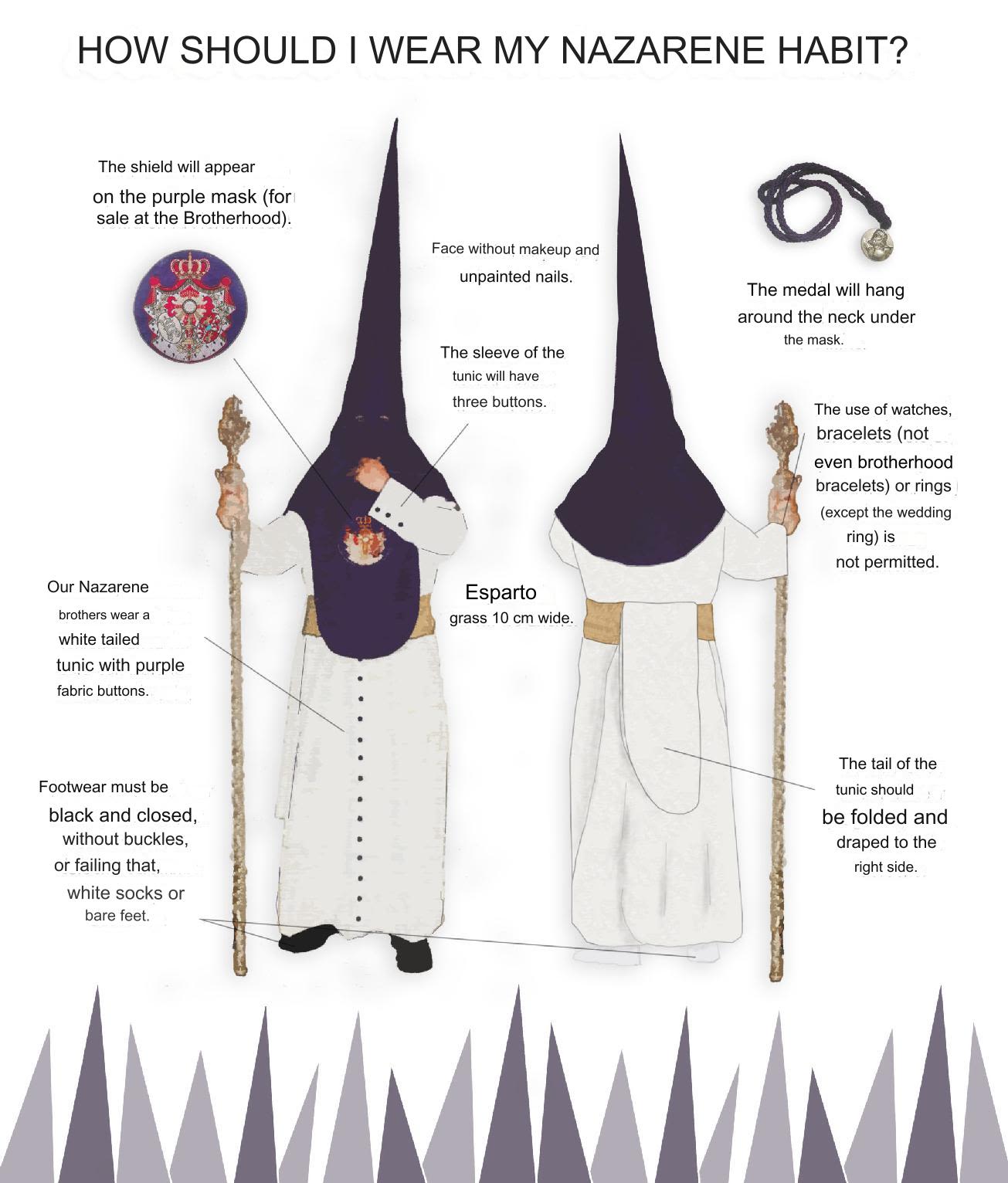
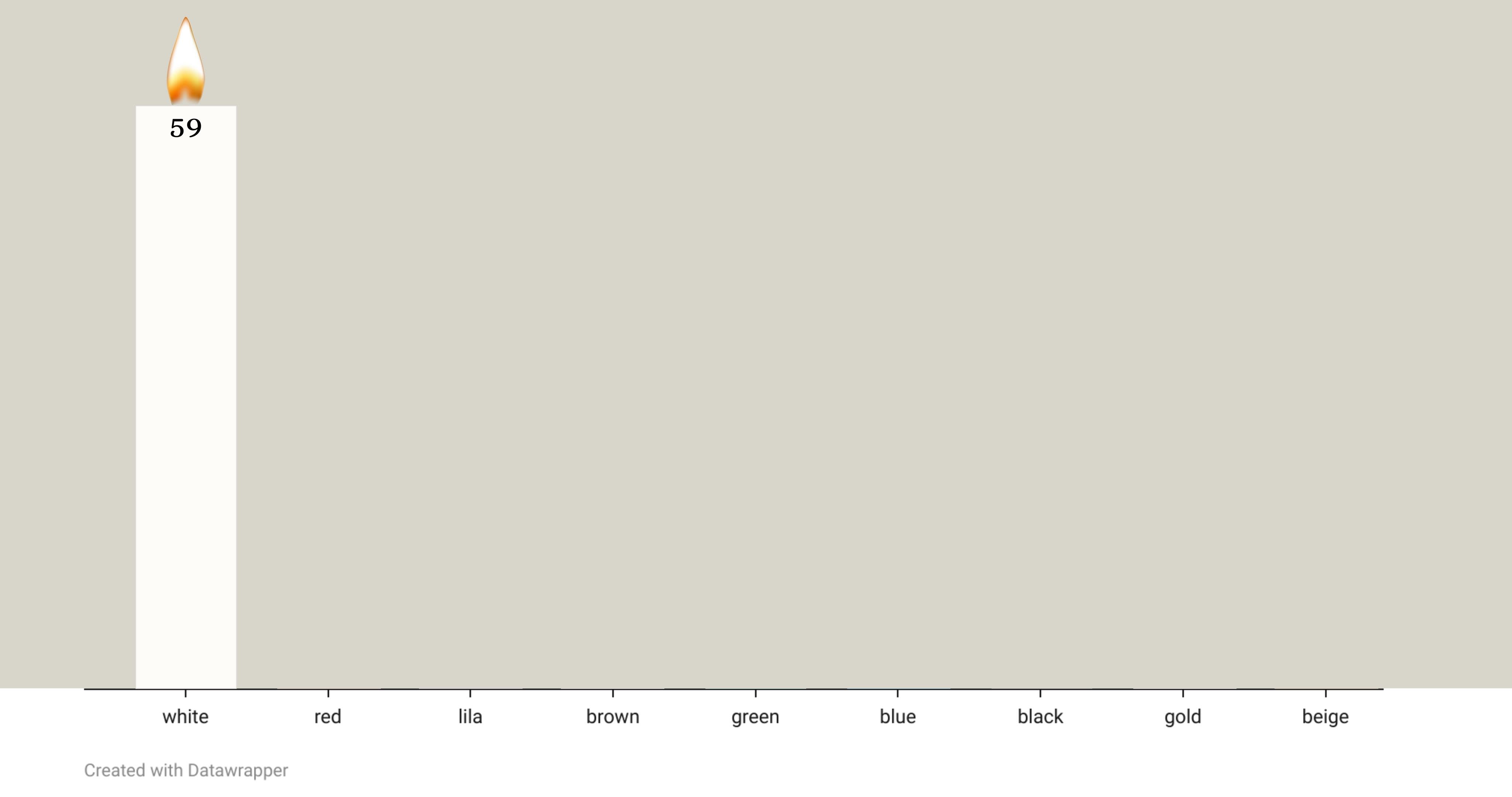
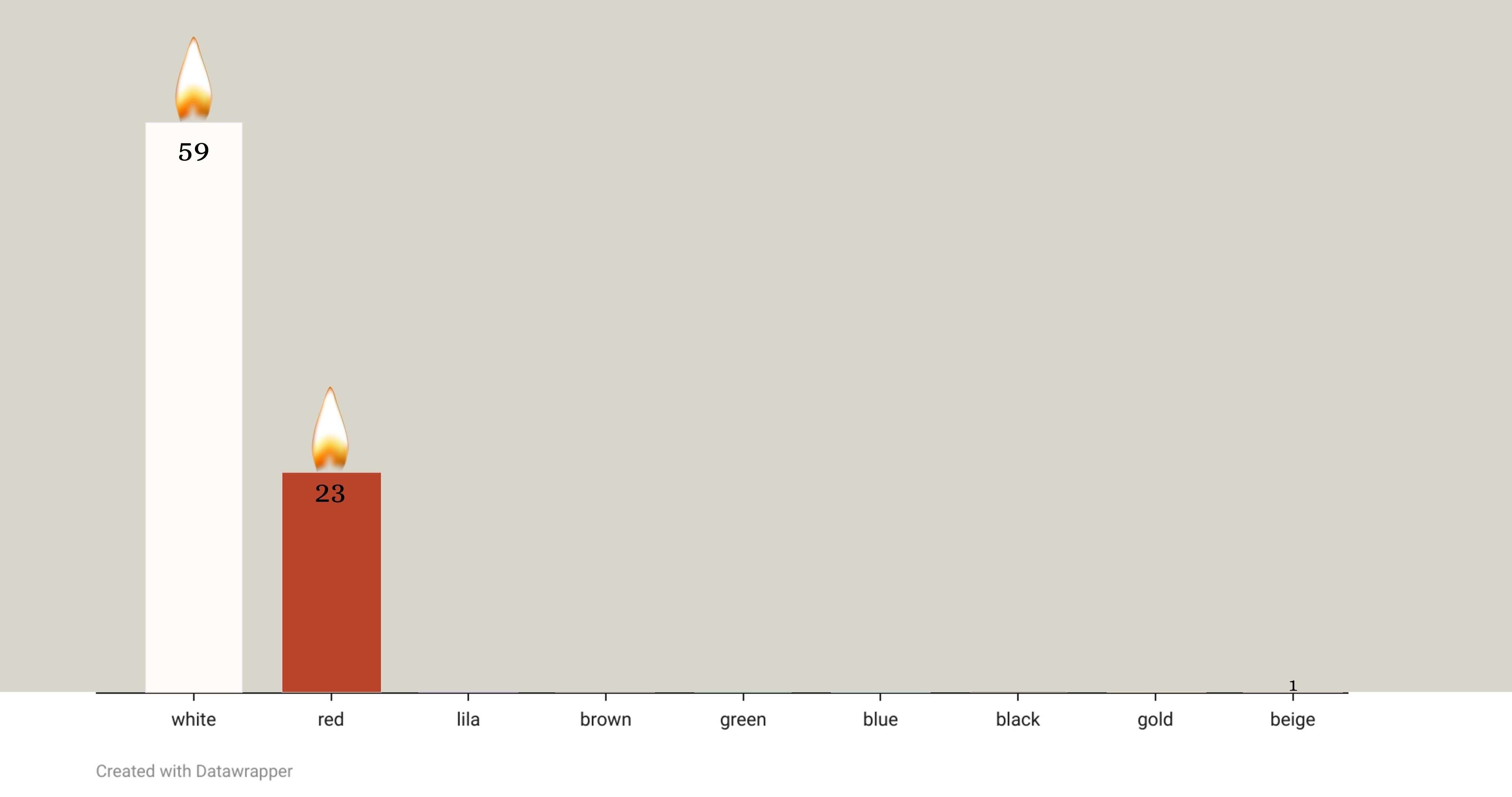
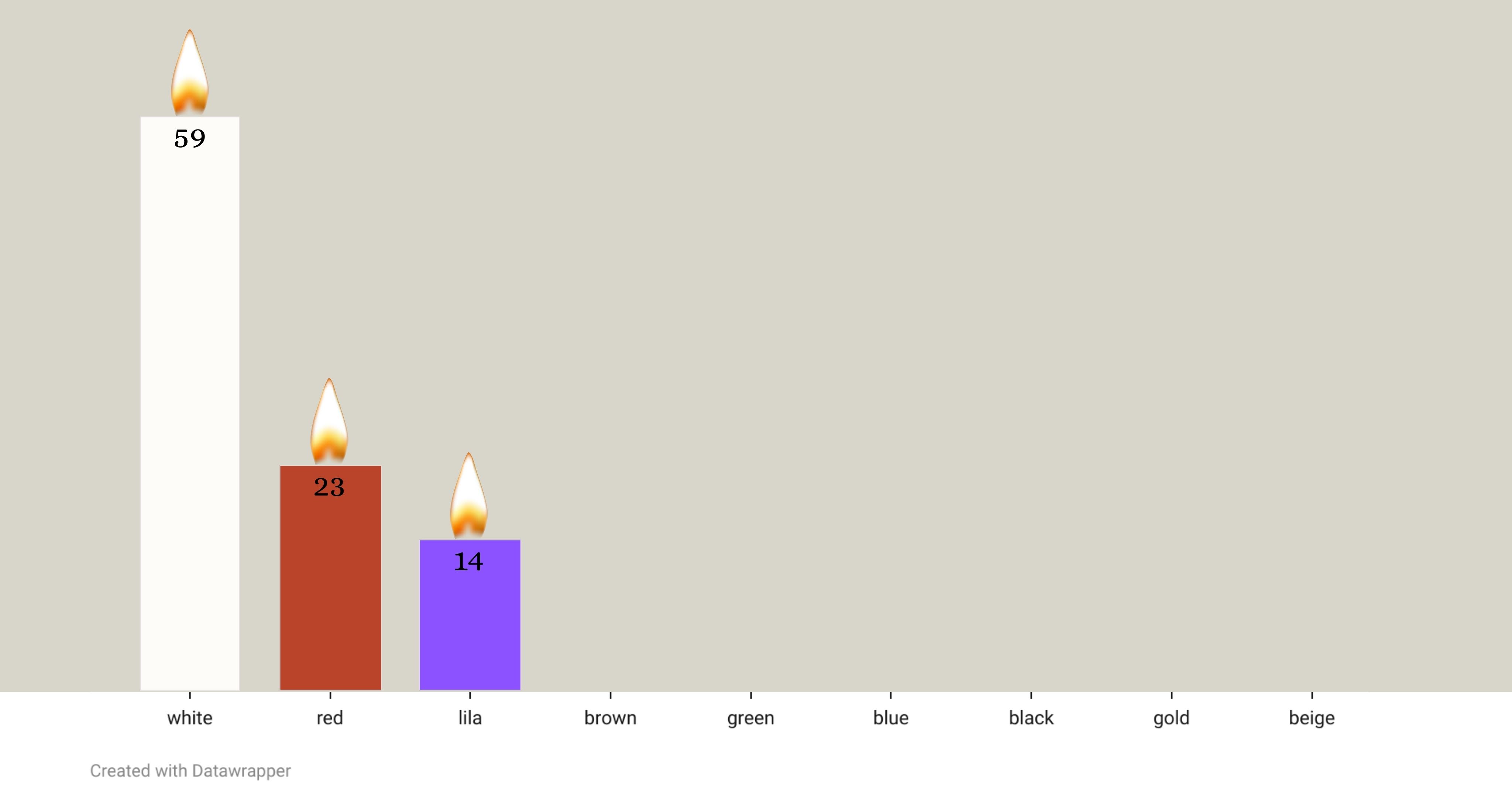
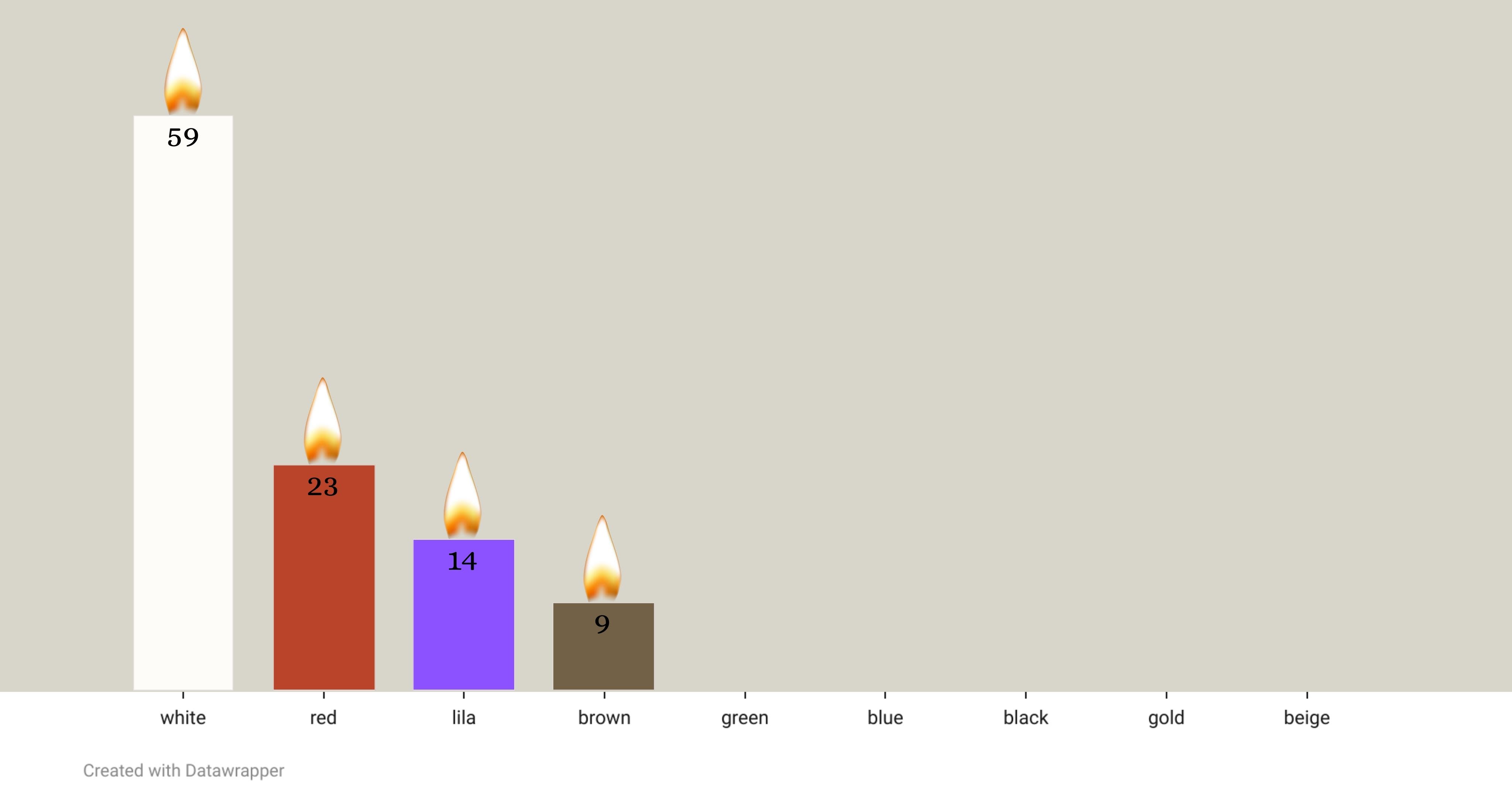
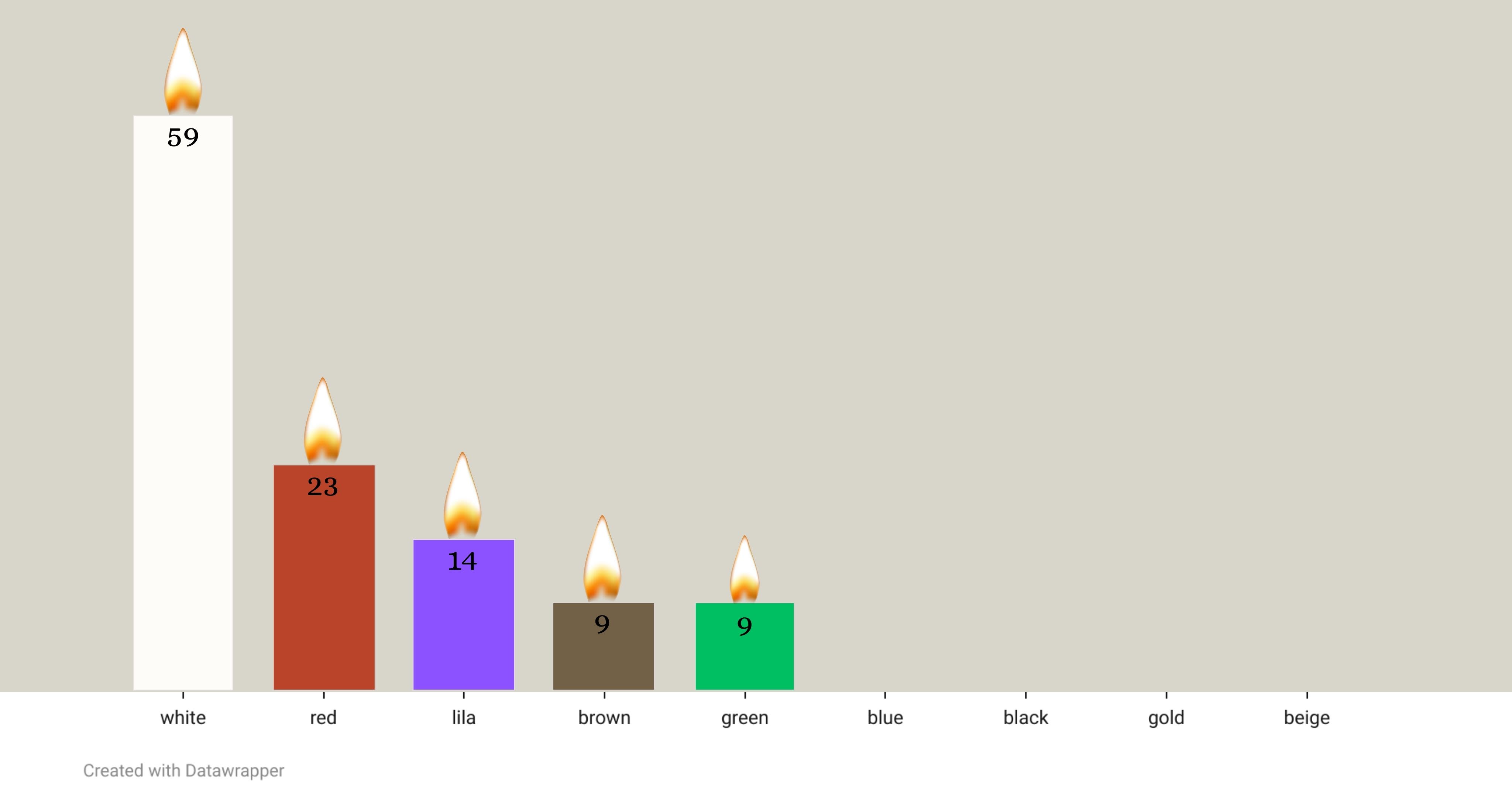
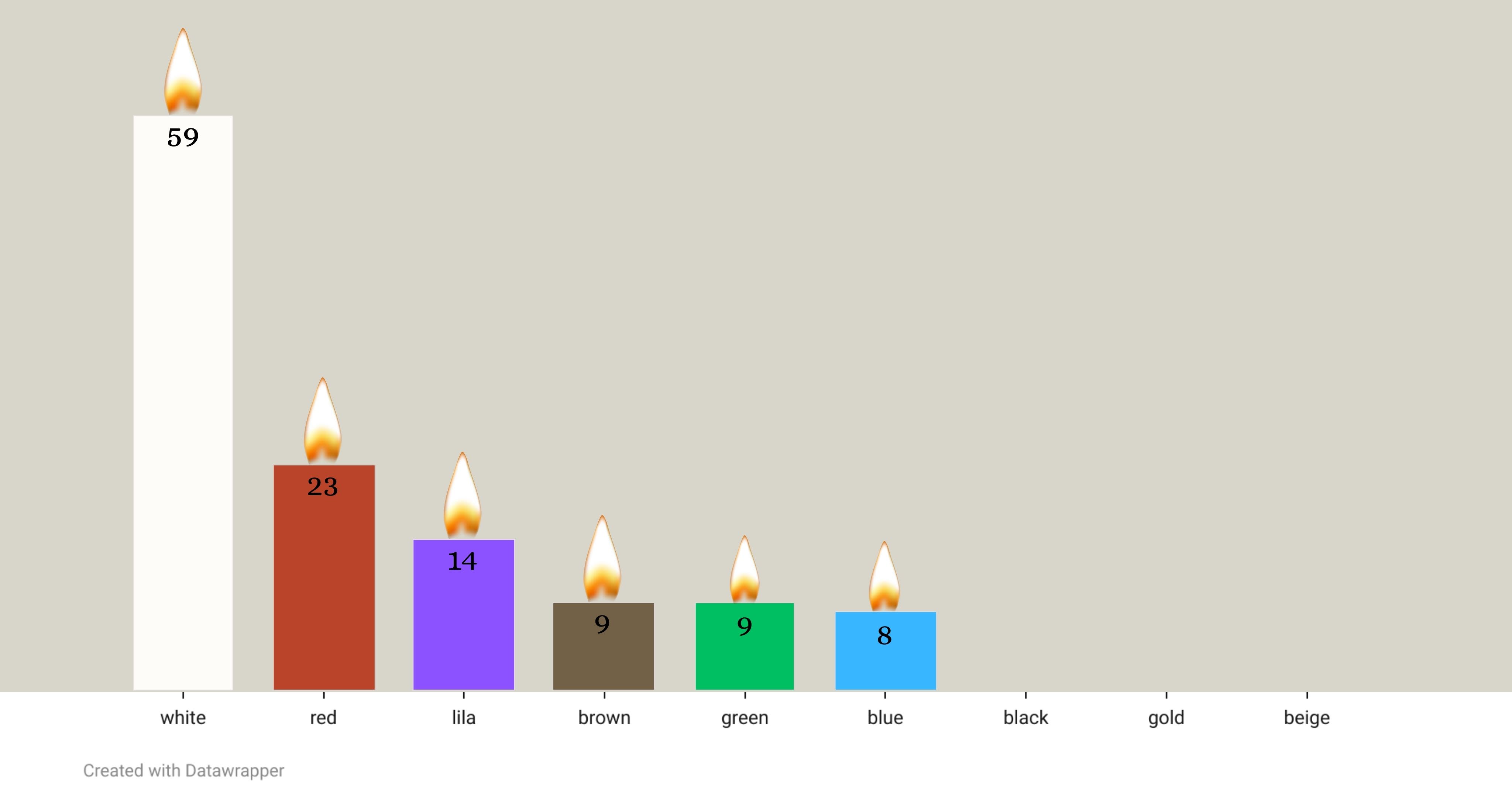
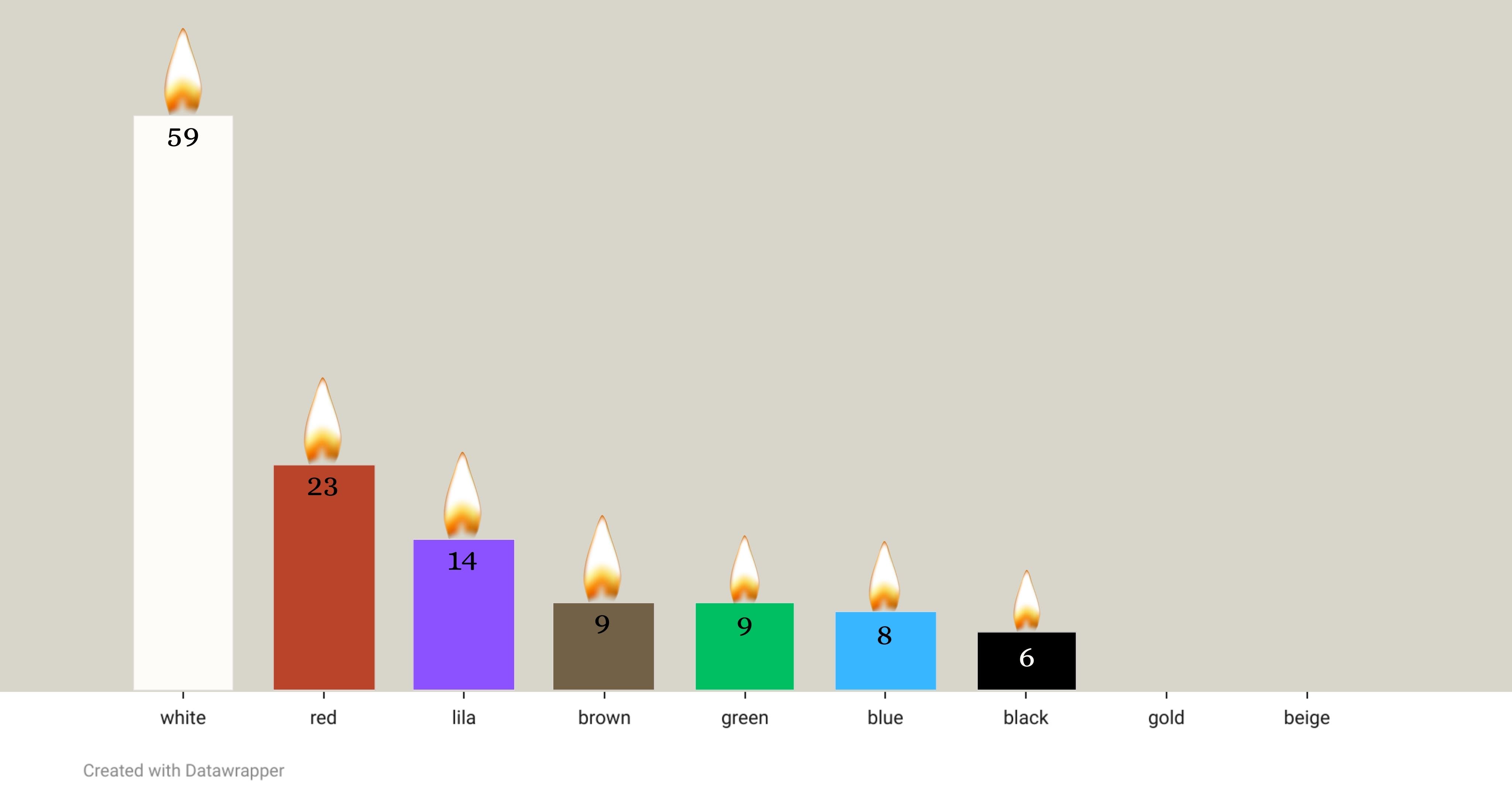
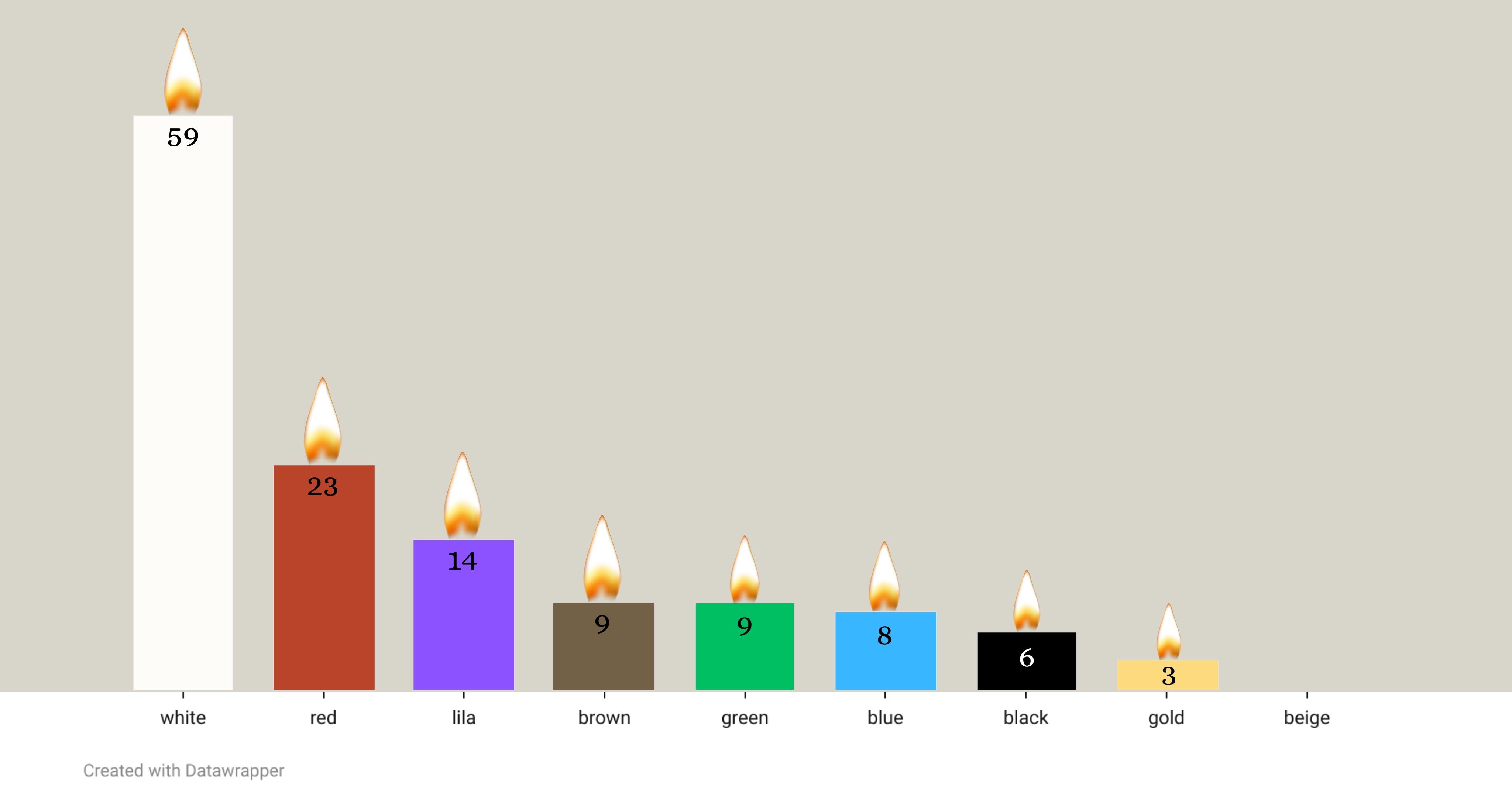
Used Candle colors
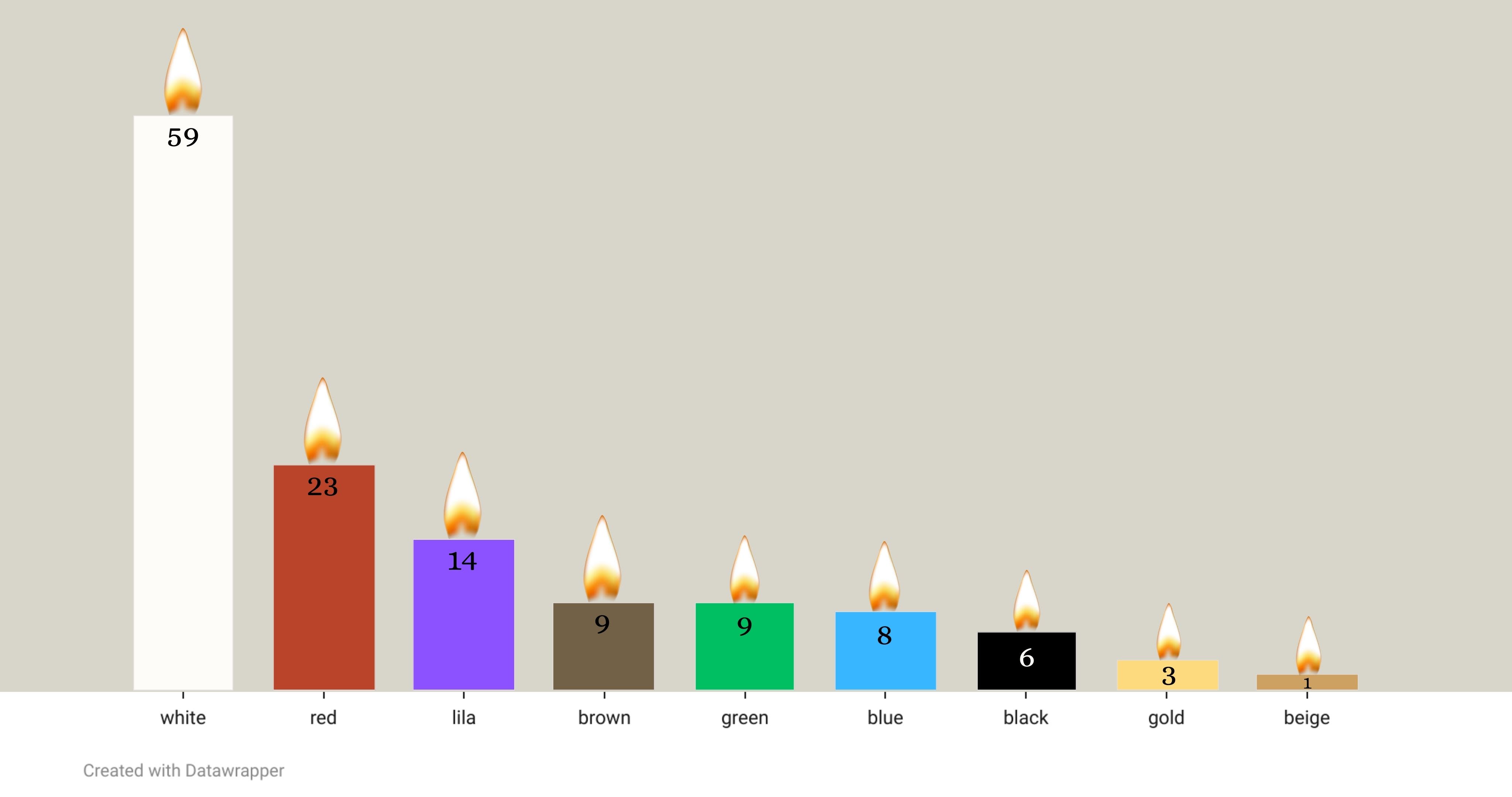
Candles during Semana Santa have different meanings. First, they display the Pascua fire that has the meaning of renewing the believe to God. Second, they stand for Jesus being reincarnated.
The Candles that are carried by Nazarenos during Processions can have different colours, one of the most used candle color in Seville is white, it has the same meaning as the tunica color - where white stands for pureness.
Fin
You became a Capillita!

 Built with Shorthand